




Transforming Toronto yards into inviting outdoor retreats involves balancing stunning aesthetics with environmental sustainability—can beauty truly coexist with eco-conscious practices? This comprehensive guide explores how local design principles, native plants, and innovative technologies create resilient, multifunctional landscapes tailored to Toronto’s unique climate. From classic European-inspired gardens to modern, sustainable layouts, the journey emphasizes harmony, functionality, and ecological responsibility. Advanced features like smart irrigation, permeable materials, and outdoor living zones enhance usability while reducing environmental impact. Yet, maintaining these vibrant spaces over time demands ongoing care, strategic plant choices, and eco-friendly maintenance routines. As future trends point toward modular structures, renewable energy, and digital visualization tools, the challenge remains: How can homeowners and designers work together to craft resilient, beautiful yards that adapt to climate changes and urban demands? This evolving landscape invites us to rethink outdoor living—can we cultivate spaces that nurture both personal well-being and ecological health?
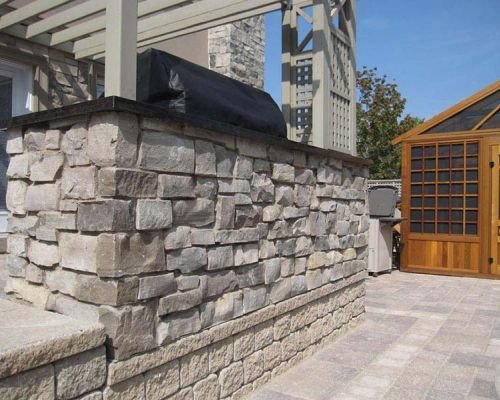
Transform Your Toronto Yard Into a Personal Oasis of Comfort and Style
Transforming Toronto yards into inviting outdoor retreats has become a popular way for homeowners to extend their living space and reconnect with nature. In a city where limited green space and dense urban living are the norms, a well-designed backyard offers a personal oasis for relaxation, social gatherings, or simply unwinding after a busy day. These transformations are about more than just aesthetics; they’re about creating functional, sustainable outdoor environments that reflect individual tastes and lifestyles.
A thoughtfully designed yard can boost a home’s value and enhance everyday life. Whether it’s a cozy nook with native plants, a spacious patio for entertaining, or a tranquil garden retreat, each project is tailored to meet specific needs. With Toronto’s changing seasons, designing resilient outdoor spaces requires careful planning around local weather patterns. Selecting the right plants, materials, and features ensures the yard remains beautiful and usable year-round, even through snow, rain, and temperature swings.
Beyond personal enjoyment, a transformed yard becomes a hub for family activities, outdoor dining, or gardening hobbies. It’s about making optimal use of every inch to foster a sense of ownership and pride. For many residents, these projects are more than simple upgrades—they’re opportunities to reconnect with nature and enjoy the outdoors without leaving the city limits. The result is a vibrant, welcoming environment that feels like a natural extension of the home.
This focus on outdoor transformation also enhances curb appeal and can attract potential buyers, offering tangible benefits for homeowners. More than that, creating a beautiful outdoor space nurtures a sense of well-being, turning a backyard into a sanctuary. It’s about blending beauty with practicality and sustainability, ensuring the space continues to bring joy and comfort for years to come.
Ultimately, transforming a yard in Toronto involves more than planting flowers or laying pavers. It’s about designing an environment that harmonizes with the city’s climate and landscape while expressing personal style. When executed thoughtfully, these outdoor retreats become treasured spaces where memories are made and everyday life feels a little more special. This journey from concept to completion balances aesthetics, function, and sustainability—making every yard a true outdoor haven.
Discover the Roots and Principles of Toronto’s Landscape Design Evolution
Landscape design in Toronto has a rich history shaped by the city’s diverse climate and cultural influences. Early gardens reflected European traditions, emphasizing symmetry, formal layouts, and ornamental features that conveyed order and elegance. Over time, these classical styles gave way to more relaxed, naturalistic approaches inspired by Arts and Crafts and modernist movements. This evolution mirrored changing tastes but also responded to growing environmental awareness and sustainability concerns.
The core principles that underpin effective landscape design—balance, harmony, and functionality—have remained consistent through Toronto’s development. Achieving visual stability involves thoughtful placement of plants and structural elements, creating a cohesive look that feels natural yet intentional. Harmony ensures that each component complements the others, while functionality focuses on crafting outdoor spaces that serve multiple purposes, from hosting gatherings to providing a peaceful retreat.
As environmental consciousness increased, Toronto’s landscape practices adapted. Native plants, well-suited to the local climate, gained popularity because they require less water, fertilizers, and pesticides. Incorporating permeable paving and water-efficient irrigation systems helps manage stormwater runoff and reduces environmental impact. These innovations support resilient landscapes capable of withstanding Toronto’s seasonal extremes—snowy winters, hot summers—without sacrificing beauty or practicality.
Design styles have continued to evolve, blending traditional European influences with contemporary, eco-friendly ideas. Naturalistic, organic layouts now dominate, integrating seamlessly with the environment and emphasizing native species. This approach balances aesthetic appeal with ecological responsibility, fostering landscapes that are both visually stunning and environmentally sound. Understanding this progression helps designers create outdoor spaces that are timeless yet adaptable to modern needs.
Sustainable landscaping techniques, such as native plant use and permeable surfaces, have become essential for enduring beauty and resilience. These strategies reduce maintenance costs and environmental impact, helping landscapes thrive year after year. When applied thoughtfully, they ensure that yards remain vibrant, functional, and in harmony with Toronto’s changing climate.
Designing a successful yard today involves applying these principles with purpose. Strategic plant placement, structural choices, and eco-friendly materials create spaces that are both attractive and durable. Layering plants of varying heights and textures adds visual interest, while native species promote ecological balance. This thoughtful approach results in outdoor environments that stand the test of time and climate.
By understanding Toronto’s landscape history and core design principles, professionals can craft outdoor spaces that last. The goal is to blend aesthetic sensibility with ecological responsibility, producing yards that are both beautiful and sustainable. This foundation guides efforts to develop outdoor environments that inspire, endure, and serve their owners’ needs for years to come.
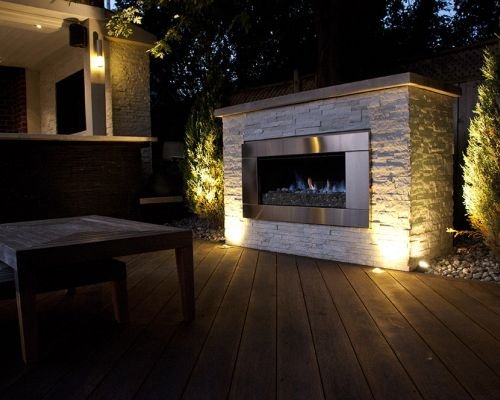
Embrace Innovation: Modern Techniques Shaping Toronto’s Outdoor Spaces
Contemporary landscaping in Toronto combines innovative techniques with a strong emphasis on sustainability. Modern designers prioritize eco-friendly materials like permeable pavers, recycled elements, and natural aggregates, which help reduce environmental impact without compromising style. These materials allow rainwater to seep naturally into the ground, aiding stormwater management and supporting healthier local ecosystems. This approach aligns with Toronto’s broader efforts to create greener, more resilient urban spaces, making sustainable choices a central part of today’s yard transformations.
Technology plays a significant role in shaping these outdoor environments. Automated irrigation systems equipped with weather sensors adjust watering schedules based on rainfall and temperature, conserving water and preventing waste. Energy-efficient lighting, such as solar-powered fixtures, creates inviting outdoor atmospheres while minimizing energy costs. Remote-controlled features, from lighting to water features, make maintenance easier and encourage homeowners to enjoy their outdoor retreats without extra effort. These innovations help ensure landscapes remain both beautiful and functional with minimal ongoing effort.
Native plants and drought-resistant species are now staples of Toronto’s landscape design. These plants thrive naturally in the local climate, requiring less water, fertilizers, and pesticides. Incorporating native vegetation supports biodiversity and reduces long-term maintenance costs, making landscapes more resilient through Toronto’s seasonal extremes. This plant palette not only enhances visual appeal but also fosters ecological balance, creating lush, sustainable outdoor spaces that stay vibrant year-round.
Features like outdoor kitchens, water elements, and sustainable lighting further elevate backyard retreats. Waterfalls, ponds, and fountains serve as focal points, adding visual interest and tranquility. Pergolas, fire pits, and lounge zones transform simple yards into versatile spaces for relaxation and entertainment. These elements balance aesthetics with practicality, encouraging outdoor living that feels both luxurious and inviting while respecting environmental principles.
Working closely with clients remains essential to the success of modern landscaping projects. Visual tools such as 3D models and mood boards help homeowners envision their future yard, fostering collaboration and clarity from the start. This partnership approach allows designers to tailor each space to personal style—whether sleek and contemporary or lush and natural—while seamlessly integrating sustainable practices. Keeping clients involved throughout the process boosts satisfaction and ensures the finished landscape exceeds expectations.
In Toronto’s evolving outdoor design scene, innovation and sustainability go hand in hand. By embracing new materials, smart technology, and native plants, designers create resilient, beautiful spaces that adapt to changing weather patterns and urban demands. This ongoing push toward eco-conscious, functional outdoor environments ensures that yards remain inspiring retreats—places where beauty and sustainability thrive together.
Sustain Your Yard’s Beauty and Functionality for Years to Come
Maintaining a yard’s beauty and sustainability over the long term begins with choosing the right plants. Native species adapted to Toronto’s climate are ideal because they require less water, fertilizers, and pesticides, making upkeep easier and more eco-friendly. These resilient plants naturally handle seasonal shifts and pests, helping your landscape stay vibrant with minimal intervention. Regular practices like seasonal pruning and mulching support plant health, prevent weeds, and preserve the yard’s inviting appearance year after year.
Smart irrigation systems play a crucial role in sustainable yard care. Automated setups with weather sensors adjust watering schedules based on rainfall and temperature, conserving water and avoiding waste. Drip irrigation delivers moisture directly to plant roots, reducing evaporation and runoff. These tools simplify maintenance, allowing homeowners to keep their landscapes lush without constant fuss. As a result, your yard remains healthy and beautiful with less effort and lower water bills.
Incorporating features such as rain gardens and permeable paving further enhances long-term sustainability. These techniques allow stormwater to soak naturally into the ground, reducing erosion and preventing runoff. Over time, they become integral parts of the landscape’s natural rhythm, requiring minimal ongoing maintenance while supporting local ecosystems. Durable, eco-friendly materials for pathways and structures also stand up to Toronto’s weather, reducing repair needs and ensuring your outdoor space remains attractive through all seasons.
Educating yourself and your family on proper maintenance routines is key. Simple practices like pruning, fertilizing, and watering become second nature when you understand their purpose. Clear guidance fosters a sense of ownership, encouraging consistent care that preserves the yard’s health and beauty. This ongoing engagement helps ensure your landscape continues to thrive long after the initial installation, making it a true reflection of your commitment to sustainability.
Sustainable landscaping is a continuous journey that benefits from small, mindful adjustments. Installing rainwater harvesting systems, choosing durable, eco-friendly materials, and embracing innovations like native plants all contribute to resilience. These strategies not only support ecological health but also create a landscape that matures gracefully, offering ongoing enjoyment and environmental benefits. With consistent care and a focus on ecological balance, your yard can remain a lush, inviting retreat for years to come.
By integrating these practices into your routine, you turn your outdoor space into a long-lasting sanctuary. Regular upkeep, combined with thoughtful design choices, ensures that the yard remains visually appealing and environmentally responsible. Over time, your landscape becomes more than just a pretty view; it transforms into a sustainable ecosystem that supports local biodiversity and minimizes your carbon footprint. This balance of beauty and function makes your yard a true outdoor retreat that stands the test of time.
In the end, maintaining sustainable beauty requires a proactive mindset. Small, deliberate actions—like choosing native plants, conserving water, and using durable materials—go a long way. When paired with ongoing education and attention, these strategies help your yard flourish season after season. The result is a resilient, vibrant outdoor space that continuously enriches your life while respecting the environment, turning your backyard into a lasting haven of beauty and sustainability.
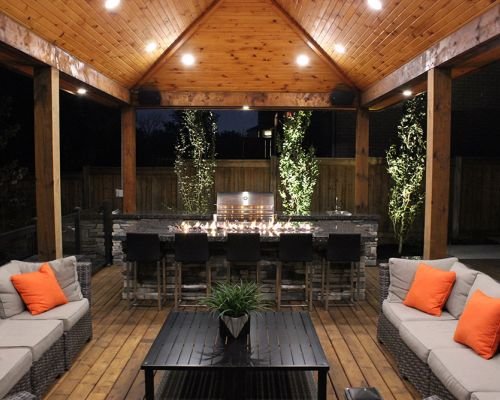
Peering Into the Future: Trends and Technologies Transforming Toronto’s Outdoor Retreats
Looking ahead, Toronto’s outdoor landscape is on the cusp of exciting innovations that blend sustainability with creative expression. As awareness of climate challenges grows, more homeowners and designers will prioritize native plants, eco-friendly materials, and smart technology to craft resilient, beautiful spaces. These trends are set to transform outdoor retreats into eco-conscious havens that can better withstand Toronto’s changing weather patterns while offering comfort and aesthetic appeal.
One promising development is the rise of modular outdoor structures combined with renewable energy solutions. Flexible, customizable designs will allow yards to adapt easily to different needs, while solar-powered lighting and heating systems reduce reliance on external power sources. These features will turn outdoor spaces into self-sufficient retreats, emphasizing convenience alongside environmental responsibility. As technology advances, expect to see more features that enhance relaxation and sustainability simultaneously.
Stormwater management will continue to be a key focus, with innovations like rain gardens, permeable paving, and rainwater harvesting becoming standard. These techniques help naturally absorb runoff, reduce flooding, and recharge underground water sources, making landscapes more resilient and eco-friendly. Over time, such practices will become integral to maintaining healthy, sustainable yards that adapt to seasonal extremes and support local ecosystems.
The role of digital tools is set to expand, enabling clients to visualize their outdoor spaces through virtual reality and 3D modeling. These technologies make collaboration smoother, allowing homeowners to see their yard before construction begins and make adjustments early. This not only enhances precision but also boosts satisfaction, as clients can better realize their vision and participate actively in the design process.
Despite these advancements, challenges remain, especially in balancing urban development with the need for green, sustainable spaces. Making eco-friendly practices affordable and accessible will be vital to broadening their reach. Continued collaboration, education, and smart resource use will be essential to turning Toronto’s outdoor spaces into vibrant, resilient retreats—places that serve individual lifestyles while benefiting the community and environment alike.