




In a world increasingly dominated by screens and digital interactions, shared gardening emerges as a timeless sanctuary for genuine human connection and emotional healing. This compelling exploration reveals how tending a garden together—planting, nurturing, and harvesting—can deepen bonds, foster trust, and provide therapeutic solace. Rooted in historical and cultural traditions, collective gardening has long served as a powerful tool for community building and resilience. Today, modern initiatives like urban gardens, therapeutic programs, and virtual communities showcase how these age-old practices adapt to contemporary life, offering accessible pathways to emotional well-being. Real-world stories underscore the profound impact of working side by side in the soil—transforming relationships and nurturing vulnerability. As technology and community efforts evolve, the future promises innovative ways to cultivate connection across distances. Why does caring for plants together so powerfully mirror growth in human bonds? The answer lies in the quiet, enduring capacity of shared effort to heal, unite, and transform.
Cultivating Bonds in a Digital Age: The Power of Shared Gardening
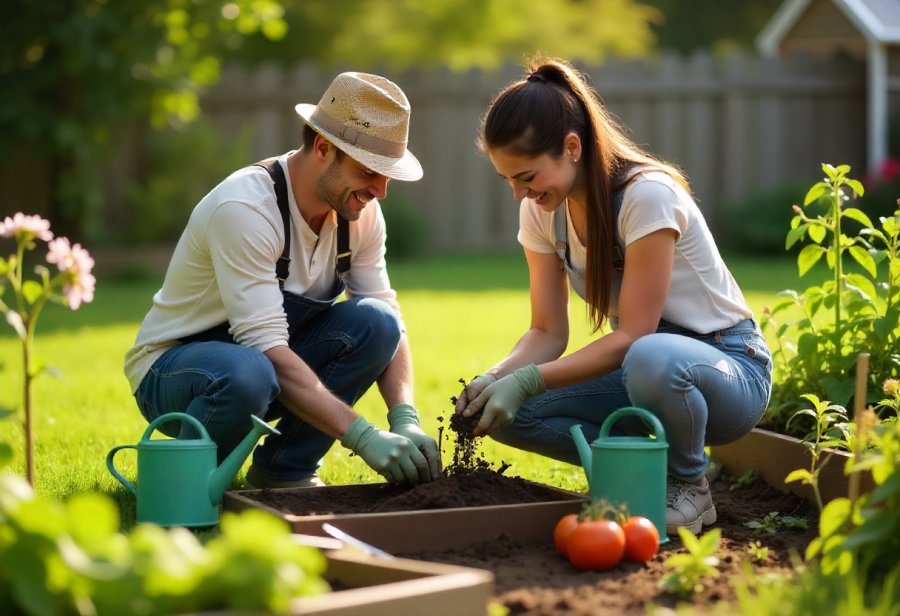
In an age dominated by screens and digital interactions, finding genuine ways to connect with others can feel more challenging than ever. Social media feeds and endless notifications often replace meaningful face-to-face moments, leaving many of us craving authentic bonds. Sharing a garden offers a simple, timeless remedy—an activity rooted in patience, cooperation, and care that naturally fosters deeper connections.
Tending a garden together isn’t just about planting seeds or watering plants; it’s about creating space for trust and mutual effort. As the soil turns and plants grow, so do relationships built on shared responsibility. These quiet moments of working side by side encourage open communication and gentle vulnerability, helping to strengthen emotional ties in a way that words alone often can’t achieve.
Gardening also has a calming, restorative effect. Feeling soil between your fingers, hearing leaves rustle, and soaking up sunlight can soothe a restless mind. When shared with others, these sensory experiences deepen, transforming into opportunities for conversation and reflection. Working together in nature reminds us that growth—whether personal or botanical—is a gradual process that requires patience and persistence.
In today’s fast-paced world, many relationships lack the time and space to develop naturally. Gardening side by side offers a refreshing shift away from hurried interactions, inviting us to slow down and truly see the person next to us. It’s a shared journey that encourages attentiveness and presence, cultivating bonds that are more resilient and meaningful.
Beyond the act itself, gardening fosters resilience and understanding. It teaches that patience is essential and that progress often comes in small, steady steps. These lessons translate into stronger connections, as we learn to support each other through setbacks and celebrate successes together. Working the land becomes a metaphor for nurturing emotional growth—both in ourselves and in our relationships.
Physical effort and shared achievement in the garden create moments of collective pride. Watching seedlings sprout or vegetables ripen becomes a shared victory, reinforcing trust and teamwork. These small wins build confidence and deepen bonds, proving that nurturing life together strengthens not just plants, but the relationships that tend them.
In essence, gardening isn’t just about cultivating plants; it’s about cultivating relationships. It’s a gentle reminder that meaningful connection often requires effort, patience, and presence—qualities all too easy to overlook in today’s digital age. Tending a garden side by side offers a quiet, powerful way to rebuild trust and emotional intimacy, illustrating that growth in the soil can mirror growth in human bonds.
Ancient Roots of Connection: Cultural Perspectives on Gardening as Healing
Throughout history, gardening has served as a powerful way to bring people together and strengthen community bonds. In ancient civilizations like Egypt, China, and Rome, communal gardens weren’t just about growing food or beautifying spaces—they were vibrant social hubs where neighbors worked side by side, sharing tools, knowledge, and effort. These shared activities fostered a sense of purpose, cooperation, and trust that laid the foundation for lasting relationships.
Different cultures developed their own traditions around gardening that emphasized healing and social connection. In Japan, the practice of shinrin-yoku, or forest bathing, involves walking through wooded areas to relax and reconnect with nature. Similarly, European monastic gardens provided retreats for reflection and meditation, illustrating a universal truth: caring for plants together can nurture emotional resilience and trust across diverse societies. These traditions highlight how tending the land has long been intertwined with emotional and social well-being.
As time passed, the role of gardening shifted from mere survival to a recognized form of therapy. In the mid-20th century, healthcare professionals observed how working with plants helped reduce stress, depression, and anxiety. This led to horticultural therapy, where structured gardening activities support mental health and emotional healing. Today, community gardening initiatives and therapeutic programs continue to demonstrate how tending the land together fosters patience, empathy, and resilience, turning gardening into a shared act of healing.
Across regions, traditional practices reveal consistent themes. In India, communal farms and urban gardens reinforce collective effort and cultural identity. African rituals often involve planting and harvesting together, strengthening tribal bonds and storytelling. Mediterranean gardens serve as gathering spaces for family and community celebrations, blending social interaction with nature. These examples make it clear that, regardless of location, working the land side by side builds trust, cooperation, and emotional support, echoing a universal human need for connection through shared effort.
Looking back across history, it becomes evident that gardening has always been more than just growing plants—it’s been a vital way for humans to connect, heal, and find trust. The act of nurturing life together, whether crops, flowers, or trees, transcends cultural boundaries, serving as a universal language of bonding. These enduring traditions remind us that, across eras and societies, tending the land remains a powerful, timeless way to foster emotional resilience and deepen human ties.
Growing Together Today: Modern Ways to Foster Connection Through Gardening
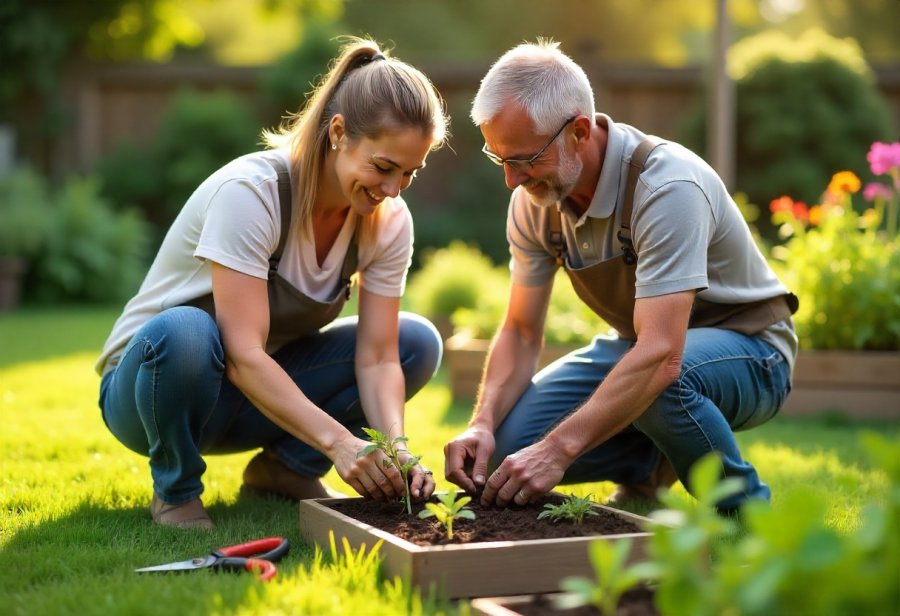
Today, shared gardening projects are more popular than ever, offering accessible ways for people to connect and find healing. Urban community gardens turn vacant lots into lively spaces where neighbors come together to plant, nurture, and harvest. These gardens do more than produce fresh food—they foster a sense of belonging and shared purpose that can bridge cultural and social gaps. Working side by side in these spaces encourages trust, sparks conversation, and helps build relationships that might not develop through casual encounters alone.
Therapeutic gardening programs are increasingly recognized for their mental health benefits. These structured activities allow individuals facing stress, depression, or trauma to reconnect with nature and each other. Working together on planting, watering, or harvesting creates a calm, supportive environment where mindfulness, patience, and a sense of accomplishment flourish. These shared experiences often lead to emotional resilience and stronger bonds beyond the garden, illustrating how collective effort can be a powerful form of healing.
Innovative approaches are expanding gardening’s reach into new realms of connection. Virtual gardening groups and online platforms enable people from different locations to share advice, celebrate milestones, and support each other’s efforts. These digital communities break down geographical barriers, making gardening accessible even to those with limited mobility or in urban settings. Small-scale urban farms and container gardens transform balconies and windowsills into shared activities, turning restricted spaces into opportunities for collaboration and connection.
Getting started is simpler than many realize. Choosing easy-to-grow plants like herbs or lettuce makes the process approachable and rewarding. Regular, informal gatherings—whether in backyards, community plots, or on balconies—encourage ongoing participation. Clear communication about responsibilities and shared goals keeps everyone motivated, while celebrating small successes like the first sprout or ripe tomato reinforces a collective sense of achievement and belonging.
Beyond the tasks themselves, these shared gardening efforts nurture understanding and empathy. Working side by side fosters meaningful conversations, collaborative problem-solving, and mutual support. Over time, these interactions build trust and respect, extending beyond the garden into everyday life. Caring for plants together becomes a symbol of nurturing relationships, demonstrating that patience and teamwork can deepen emotional bonds in ways that words alone often cannot.
Ultimately, modern shared gardening initiatives show that nurturing life—whether plants or relationships—has universal value. They highlight how accessible, collective efforts can foster emotional healing, community resilience, and genuine connection. As technology and community programs continue to evolve, so does the potential for gardening to serve as a powerful, restorative force that brings people closer together in a busy, disconnected world.
Stories of Growth: Real-World Experiences Demonstrating Gardening’s Transformative Power
Sharing real-world stories brings the idea of shared gardening to life, showing how it truly fosters connection and healing. Take a family in an urban neighborhood who started a small vegetable garden after a difficult year. Over time, not only did they grow fresh produce, but they also learned to communicate better and rebuild trust through their shared efforts. The garden became a space where they could talk, laugh, and support each other in ways that previously felt out of reach. These moments of teamwork transformed their garden into a sanctuary for emotional rebuilding, illustrating how tending plants can serve as a catalyst for deeper bonds.
Another inspiring example comes from a community garden project designed to support veterans dealing with stress and trauma. Working side by side to plant and care for their plots, many participants experienced noticeable reductions in anxiety and feelings of loneliness. They built new friendships and found a stronger sense of purpose through their shared effort. Watching these veterans support each other in the garden demonstrated how collective tending of the land nurtures emotional resilience and trust, proving that gardening together can be a powerful form of human healing.
In a different story, a mother and daughter started a vegetable patch as a simple way to teach responsibility. What began as a small activity grew into a meaningful bonding ritual. Celebrating milestones like the first ripe tomato or a successful watering day became shared moments of pride and joy. Their garden became a safe space for open conversations and mutual support, deepening their relationship beyond the planting itself. This example highlights how shared effort in a garden can turn into lasting memories, strengthening emotional ties through patience, teamwork, and shared achievement.
Many community gardens echo similar benefits. Participants often report feeling calmer and more connected after working in the soil together. The physical activity combined with shared effort encourages trust and openness, breaking down barriers and fostering understanding. Over time, these interactions build trust and mutual respect, turning shared gardening into a meaningful way to strengthen bonds and promote emotional healing. These stories reveal that gardening isn’t just about plants; it’s about people. When we work together, trust, patience, and support flourish, nurturing relationships and emotional well-being.
These real-life examples show that tending the earth isn’t just a practical activity—it’s a deeply human one. Working side by side in the garden creates moments of trust and mutual care that can transform relationships and heal emotional wounds. The tangible results—improved mood, stronger connections, shared pride—highlight the profound impact of collaborative gardening. In a world often distracted and disconnected, these stories remind us that caring for something together can build bonds that last a lifetime, proving that the act of nurturing life can also nurture human connection.
Nurturing the Future: Innovations and Opportunities in Garden-Based Bonding
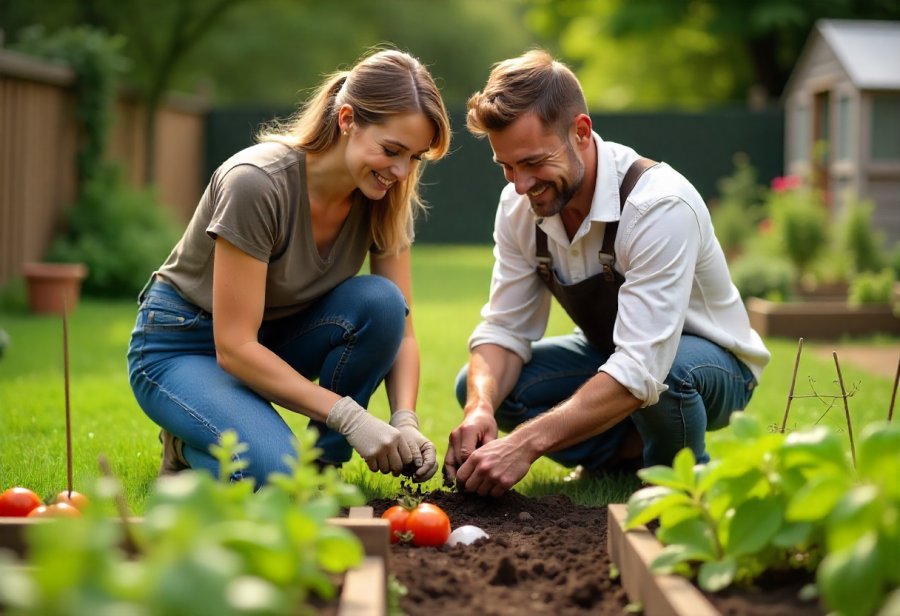
Looking ahead, technology is opening exciting new avenues for garden-based bonding. Virtual and augmented reality tools may soon enable people to collaborate on shared gardens from different locations, making gardening accessible regardless of physical distance. Imagine tending a virtual plot with friends or family across cities or countries, each contributing in real time. Such innovations have the potential to transform how we connect through nature, turning gardening into a global activity that strengthens emotional bonds across borders.
Meanwhile, cities and communities are increasingly recognizing green spaces as vital for mental health and social cohesion. Supportive policies and investments are transforming vacant lots into vibrant community gardens and urban farms, giving neighborhoods a shared sense of ownership and pride. These spaces do more than produce fresh food—they become focal points for collective effort, trust-building, and relationship development. As these initiatives expand, they can foster resilient communities rooted in cooperation and mutual care.
Awareness of gardening’s mental health benefits continues to grow, prompting organizations and governments to integrate garden-based programs into broader wellness strategies. From local workshops to large-scale therapeutic projects, the goal is to make these spaces inclusive and accessible. Small actions—like starting a community plot or hosting a gardening event—can ripple outward, gradually shifting cultural attitudes towards valuing shared care of the land as a pathway to emotional healing and stronger human connections.
Emerging smart gardening tools are also shaping the future. Soil sensors, app-controlled watering systems, and online platforms for tracking progress make gardening more engaging and manageable, especially for beginners or busy individuals. When combined with online communities that celebrate milestones and share advice, these tools turn gardening into an interactive experience that reinforces human connection through shared effort and success. This blend of technology and community can deepen bonds while making the act of tending life more approachable.
As these trends develop, the potential to expand garden-based bonding grows significantly. By embracing innovative technology, supporting inclusive policies, and fostering community-led initiatives, we can make caring for the earth a universal way to heal and connect. These efforts not only enrich individual lives but also cultivate stronger, more empathetic communities. The future of shared gardening promises a world where growth in the soil mirrors growth in human bonds—reminding us that nurturing life together can be a powerful act of collective healing.