




Could true leadership be rooted more in inner discipline than external conquest? Marcus Aurelius exemplifies this timeless truth—ruling an empire with calm, moral clarity, and self-mastery. This exploration challenges the traditional view that power resides in armies and territory, revealing instead that resilience, emotional intelligence, and moral virtue form the core of authentic influence. Drawing from ancient philosophies like Stoicism, Taoism, and Confucianism, the narrative illustrates how inner strength endures beyond fleeting external achievements. Real-world leaders such as Gandhi, Mandela, and Nadella demonstrate that cultivating patience, humility, and moral clarity fosters genuine trust and lasting impact. As we face a rapidly changing world filled with moral complexities and crises, the importance of inward resilience becomes even clearer. The question persists: could mastering oneself be the greatest empire of all? This compelling work invites readers to redefine strength and consider how inner discipline can shape sustainable leadership for the future.
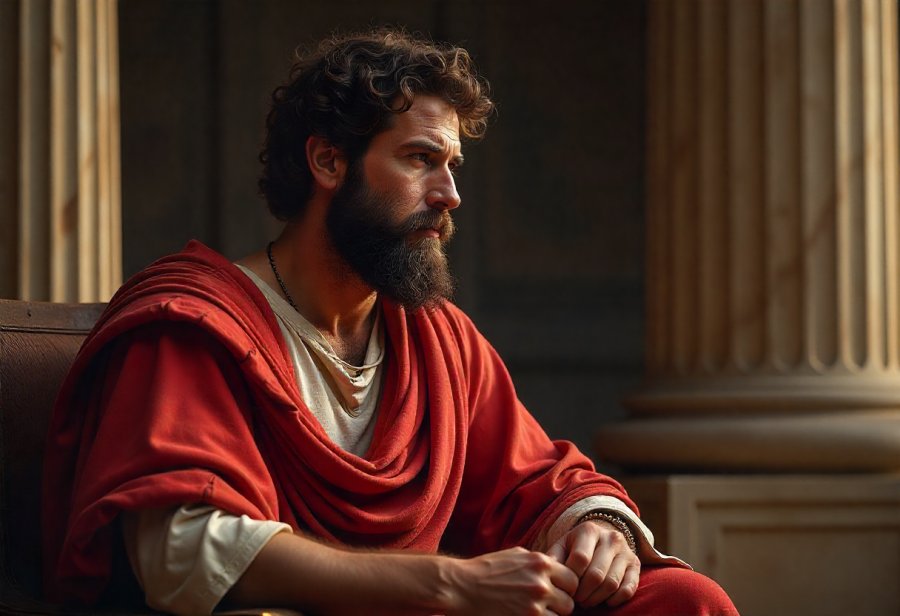
Unveiling the Hidden Power: Inner Discipline as True Leadership Strength
Leadership has traditionally been associated with outward displays of power—commanding armies, expanding territories, or accumulating wealth. These visible signs of strength are easy to recognize and often celebrated. But beneath these achievements lies a quieter, more subtle form of power: inner discipline. This kind of strength isn’t about dominance or conquest; it’s about mastery over oneself. It’s the internal resilience that guides decisions, shapes character, and sustains leaders through crises.
The real question is whether lasting leadership depends more on external victories or on internal resilience. History offers many examples suggesting that the most enduring leaders are those who prioritize self-control and inner wisdom. Consider Marcus Aurelius, for instance. As emperor, he managed vast armies and an expansive empire, yet he’s remembered not just for his political achievements but for his inner discipline. His writings in Meditations reveal a man committed to self-mastery—an inner strength that helped him face chaos with calm and dignity.
Shifting focus inward changes how we view power itself. It’s not about wielding authority over others but about governing oneself first. Leaders who develop mental resilience, emotional stability, and moral clarity tend to inspire genuine trust. Their influence isn’t fleeting or dependent on external validation; it’s rooted in self-awareness and moral integrity. Such leaders remain steady regardless of external circumstances, drawing strength from within rather than external rewards.
In today’s complex world, where crises and uncertainties are constant, this inner strength becomes even more essential. External tools and strategies can only do so much if your internal foundation is weak. Cultivating self-discipline through reflection, mindfulness, and deliberate decision-making creates a resilient mental and emotional core. Leaders who focus on building this internal resilience often find that their calm confidence is contagious, inspiring teams and fostering trust amid turbulence.
The idea that true power resides within isn’t new. Philosophies from around the world, from Stoicism to Taoism, emphasize inner resilience as the highest form of strength. They teach that mastery over oneself is the key to enduring influence—an influence that withstands life’s storms and leadership’s challenges. Developing inner discipline isn’t reserved for monks or philosophers; it’s a practical skill anyone can cultivate to become a more effective, authentic leader.
Ancient Wisdom Reveals Inner Resilience as the Foundation of Enduring Power
Throughout history, many philosophies have highlighted that true strength stems from inner resilience and wisdom rather than outward displays of power. Ancient civilizations from Greece to China developed ideas that prioritized mastering oneself over dominating others. Stoicism, a Greek philosophy, teaches that virtue and self-control are the highest goods. Thinkers like Epictetus and Marcus Aurelius argued that external circumstances are beyond our control, but our responses and moral choices are within our power. This mindset enables individuals to face hardships with calm and clarity, revealing strength rooted in character rather than brute force.
Similarly, Taoism in Chinese philosophy advocates for harmony with the natural flow of life. Taoist masters emphasize humility, patience, and inner balance as the true sources of enduring strength. Instead of trying to conquer nature or other people, they focus on aligning with the Tao—a guiding principle that remains unchanging. This approach underscores that genuine power isn’t about external achievements but about inner harmony and moral integrity, qualities that stand the test of time.
Marcus Aurelius exemplifies this tradition of inner strength. As Roman Emperor, he faced wars, plagues, and political unrest, yet his writings in Meditations reveal a man committed to Stoic principles. His reflections show that his true power lay in self-control, moral discipline, and mental resilience. Despite wielding immense authority, he prioritized inner virtue, demonstrating that internal mastery can guide even the most powerful through turbulence with dignity and calm.
The idea of the philosopher king, articulated by Plato, echoes these values. Such leaders govern not through raw power but through wisdom, virtue, and self-awareness. They recognize that authentic authority arises from moral integrity and inner discipline. Leading with humility and moral clarity, they serve their communities by setting an example rather than asserting dominance, inspiring loyalty through their inner strength.
Across various cultures, similar themes emerge. Confucianism emphasizes moral cultivation, social harmony, and self-discipline as foundations for effective leadership. Buddhist traditions highlight mindfulness, compassion, and mental clarity as sources of inner power capable of transforming communities. These diverse philosophies converge on the understanding that external tokens of power are fleeting compared to the lasting influence of self-mastery and inner virtue.
In essence, these timeless perspectives remind us that genuine strength is internal. External accomplishments may impress temporarily, but lasting influence depends on qualities like patience, humility, and moral clarity. Cultivating inner resilience isn’t a relic of the past; it’s a practical, enduring foundation that empowers leaders to navigate life’s challenges with integrity and grace. This inner mastery remains the true source of authentic, lasting strength.
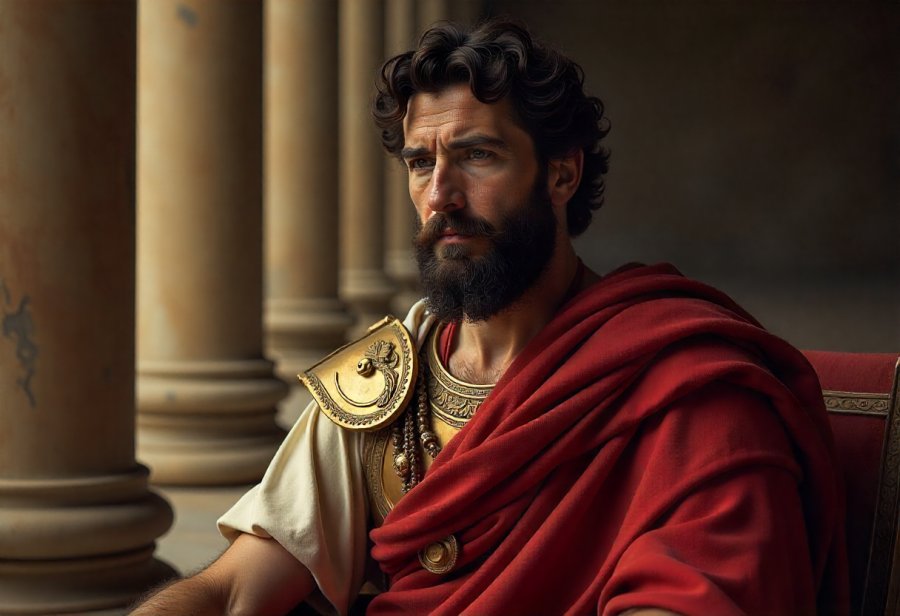
Mastering Yourself Today: Inner Discipline in Action for Transformative Leadership
In today’s leadership landscape, inner discipline shows up through qualities like emotional intelligence, resilience, and moral clarity. Leaders who cultivate self-awareness and mental control can navigate complex situations with calmness and confidence, setting a powerful example for those around them. Daily practices such as reflection, mindfulness, and deliberate decision-making aren’t just abstract ideas—they’re practical tools that reinforce inner strength and keep leaders grounded amid chaos. When leaders stay composed during crises, they foster trust and loyalty, demonstrating that true influence comes from mastery over oneself, not external rewards or superficial authority.
Resilience, in particular, stands out as a core trait of authentic leadership. It’s the mental toughness that allows leaders to remain steady when faced with setbacks, criticism, or unexpected challenges. Building resilience involves shifting how we see adversity—viewing obstacles as opportunities for growth rather than threats. Leaders who practice patience and emotional regulation can respond thoughtfully rather than impulsively, maintaining clarity even under pressure. Techniques like pausing before reacting, practicing mindfulness, or taking deep breaths help restore calm quickly and keep focus on what truly matters.
Moral clarity is equally vital in strengthening inner discipline. Leaders rooted in strong values make consistent, ethical choices—even when external pressures tempt otherwise. Staying true to core principles builds trust and respect, creating a foundation where influence is rooted in authenticity rather than manipulation or fear. When leaders act transparently and prioritize long-term well-being, they foster loyalty and admiration from followers who recognize genuine integrity in their actions. This consistency in moral stance solidifies their inner strength and credibility.
Practicing daily reflection and self-awareness routines further reinforce inner discipline. Journaling, meditation, or quiet contemplation help clarify what truly matters, aligning leaders with their purpose. Regularly examining decisions and reactions reveals patterns and biases, enabling continuous growth. Setting intentional goals and routines creates a structure that nurtures focus and resilience, turning internal discipline into habitual strength. These small daily habits accumulate over time, constructing a mental and emotional foundation resilient enough to support authentic leadership in any situation.
Ultimately, developing inner resilience and discipline equips leaders to face challenges with calm, moral integrity, and clarity—qualities that inspire loyalty and foster trust. These traits are not innate; they are cultivated through consistent effort—reflection, mindfulness, and emotional regulation—that become part of daily life. As they deepen, these habits shape a leadership style that endures beyond fleeting trends and external pressures, forging a legacy rooted in authenticity and strength. Governing oneself first transforms leadership from reactive to deliberate, paving the way for influence that is sustainable, impactful, and truly inspiring.
Lessons from History: Real Leaders Who Embody Inner Strength and Moral Clarity
Throughout history, many leaders have demonstrated that inner discipline can be more influential than external displays of power. Take Mahatma Gandhi, for example. His unwavering commitment to nonviolence and moral integrity guided India’s independence movement and inspired millions worldwide. His ability to remain peaceful and resolute in the face of immense adversity exemplifies how inner resilience and moral clarity create a lasting impact—often more powerful than force. Gandhi’s example shows that true strength often comes from within, shaping not just outcomes but also the moral fabric of a movement.
Similarly, Nelson Mandela’s resilience during nearly three decades of imprisonment highlights how inner discipline sustains leadership over time. Instead of giving in to bitterness or revenge, Mandela maintained his moral focus and patience, embodying the kind of inner strength that earned him deep respect. His leadership was rooted in self-mastery, allowing him to guide a divided nation toward reconciliation. Mandela’s example proves that internal virtues—patience, humility, and unwavering resolve—lay a foundation for influence that endures well beyond political victories.
In the corporate world, leaders like Satya Nadella at Microsoft illustrate how inner discipline translates into organizational success. Nadella’s emphasis on emotional intelligence and self-awareness fostered a culture of empathy, collaboration, and innovation. His capacity to listen, reflect, and act with moral clarity transformed Microsoft’s trajectory. These qualities—patience, humility, and moral conviction—are crucial not just for personal growth but also for inspiring trust and loyalty within teams. Such leaders demonstrate that cultivating inner strength can drive meaningful, external change in complex environments.
Across cultures, stories and teachings reinforce that internal discipline is fundamental to effective leadership. Confucianism emphasizes moral cultivation and self-control as the bedrock of social harmony. Buddhist traditions highlight mindfulness and compassion as sources of inner power capable of transforming communities. These diverse perspectives converge on the idea that external symbols of authority fade in comparison to the lasting influence of self-mastery and inner virtue. Leaders who embody patience, humility, and moral clarity foster trust and inspire others to develop similar qualities, creating ripples of impact that extend far beyond immediate results.
The power of these examples lies in their universal relevance and timelessness. Whether in politics, social movements, or business, inner discipline remains a defining trait of authentic leadership. Their stories remind us that cultivating patience, humility, and moral clarity is an ongoing process that shapes lasting influence. Incorporating these qualities into daily life allows leaders to inspire genuine trust and build legacies rooted in inner strength, not fleeting external achievements. This approach offers a blueprint for leadership that endures amid the shifting tides of change.
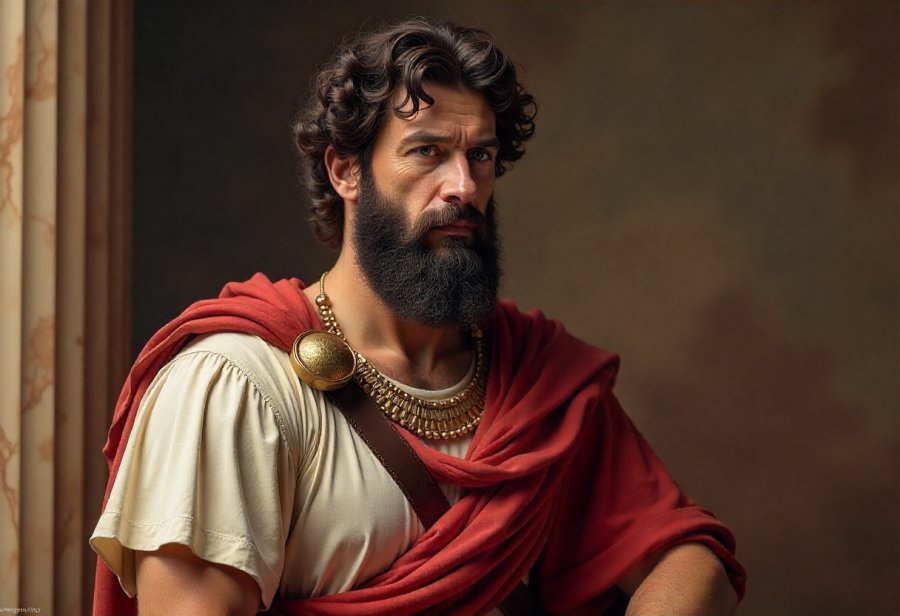
Looking Ahead: Cultivating Inner Discipline to Lead with Wisdom in an Uncertain World
As we look to the future, the significance of inner discipline in leadership will only grow more crucial. In a world characterized by rapid change, unpredictable challenges, and complex moral questions, leaders who cultivate self-mastery will stand out. External strategies can guide decisions, but without a solid internal foundation, even the most well-crafted plans are vulnerable to chaos and moral compromise. Developing resilience, emotional intelligence, and clarity of purpose becomes a strategic advantage—not just a personal virtue but a necessity for sustainable influence.
Leadership is shifting from a focus on external displays of power to qualities rooted in inner strength. As neuroscience continues to reveal how mindfulness, patience, and moral regulation enhance decision-making and stress management, it’s clear that internal development will shape the next generation of influential leaders. Those who invest in understanding themselves through reflection, meditation, and deliberate routines will be better equipped to inspire trust and foster authentic cultures. Inner discipline acts as a compass, guiding leaders through moral dilemmas and turbulent times with calm and integrity.
Today, accessible tools make cultivating inner strength easier than ever. Daily habits like journaling, mindfulness, or simple pauses before reacting strengthen mental resilience over time. These small, consistent efforts build a dependable mental and emotional core, transforming leadership from reactive to deliberate. Leaders who embrace this inward focus will be able to navigate crises with steadiness and set a moral example that resonates deeply with followers. Their influence, rooted in internal stability, will be more enduring and authentic.
The path forward demands intentional effort. Leaders can start by integrating simple practices—such as mindful breathing or honest self-assessment—into their routines. These habits reinforce core values, cultivate patience during setbacks, and deepen resilience. As they do, internal qualities like humility and moral clarity become second nature, shaping a leadership style that’s trustworthy and inspiring. This inward focus not only enhances personal effectiveness but also sets a precedent for future generations to value inner strength over superficial power.
In a global landscape marked by social divisions, environmental crises, and technological upheavals, inner discipline offers a steadying force. Leaders who govern themselves wisely demonstrate that true influence arises from within—a source of strength that remains resilient regardless of external circumstances. By embodying patience, humility, and moral courage, they can inspire broader societal change rooted in authenticity. Their example helps forge a more resilient, ethical future where leadership is defined by wisdom, not conquest.
Building inner discipline is an ongoing journey, one that requires consistent effort and self-awareness. The leaders who prioritize this inner work today will shape a more trustworthy and stable world tomorrow. Their quiet strength, rooted in moral clarity and emotional resilience, provides a guiding light amid uncertainty. As more individuals recognize that true power comes from within, we move closer to a leadership paradigm grounded in integrity and wisdom—power that endures long after external accolades fade.