




Learning to ride a bike is far more than a physical skill; it’s a profound journey of courage, resilience, and family connection. Each wobble and fall teaches children patience and perseverance, transforming setbacks into stepping stones toward independence. But does the fear of falling outweigh the thrill of mastering balance and gaining confidence? This process nurtures emotional growth, fostering self-trust and a sense of achievement that extends into all areas of life. Family involvement amplifies these lessons, turning a simple activity into a cherished shared experience filled with encouragement and celebration. As children finally pedal on their own, they discover a world of exploration and self-reliance, learning that persistence transforms fears into freedom. Ultimately, mastering the bike becomes a powerful symbol of personal development, reminding us that overcoming obstacles on two wheels can prepare children for life’s many adventures ahead.
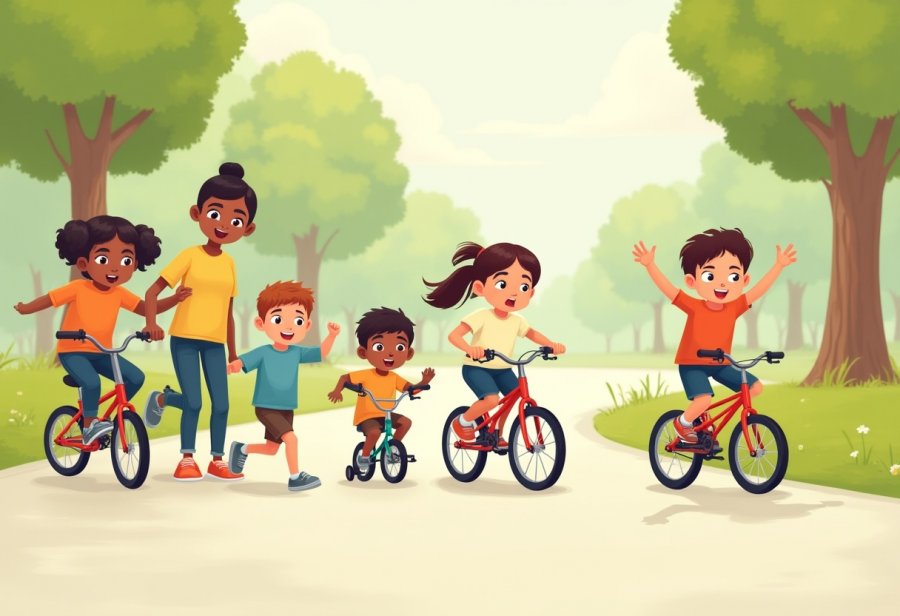
Celebrate the Journey of Learning to Ride a Bike—A Milestone in Growth
Learning to ride a bike is more than just picking up a new skill; it marks a key moment in a child’s emotional and social growth. The first shaky pedals and wobbling attempts are unforgettable, symbolizing more than balance—they represent independence, courage, and perseverance. For many children, this milestone is a rite of passage that sparks pride and a sense of achievement, reinforcing their growing confidence in facing new challenges.
This process is a journey of small victories and inevitable falls, each teaching resilience and patience. As kids wobble and stumble, they learn that setbacks are part of progress, not failure. The act of getting back on the bike after a fall becomes a lesson in persistence, shaping their understanding that effort leads to growth. These moments of struggle and success lay the groundwork for emotional strength that extends well beyond childhood.
Family involvement turns learning to ride into a shared experience filled with encouragement and celebration. Parents and siblings act as guides, offering reassurance and applause for every small step forward. These shared efforts deepen bonds, transforming a simple activity into a cherished memory. Watching a child take their first independent ride, arms in the air, surrounded by loved ones’ cheers, captures the essence of support and shared triumph.
Beyond the physical skill, riding a bike becomes a powerful symbol of independence. When kids finally pedal without assistance, they experience a rush of self-trust and control. This moment encourages them to explore further, take risks, and embrace new adventures with confidence. It’s a vivid reminder that overcoming fears and trying again are vital parts of growing up.
Learning to ride also introduces children to the importance of patience and perseverance. Each wobble and tumble teaches them that setbacks are temporary and manageable. Through consistent encouragement and safe environments, children discover that effort and persistence turn initial fears into newfound freedom. These lessons foster resilience that will serve them in many areas of life.
Finally, mastering the bike is a celebration of growth—physical, emotional, and social. It’s about more than just riding; it’s about developing a mindset that values effort, resilience, and independence. Every pedal stroke, every fall, and every triumphant ride contribute to a broader story of confidence and courage. These early experiences of overcoming obstacles become lasting symbols of a child’s journey toward self-reliance and emotional maturity.
Build a Strong Foundation: The Stages and Psychology of Learning to Ride
Learning to ride a bike unfolds through a series of natural developmental stages that build on each other, starting with the foundation of balance. Many parents begin by introducing balance bikes or removing pedals from a regular bike, giving children the chance to focus solely on staying upright. This early phase helps develop core stability and control, which are essential for building confidence and preparing them for more complex skills like pedaling and steering. Once children feel comfortable balancing, they gradually learn to coordinate their movements, a process that requires patience and repeated practice.
As they progress, kids move from balancing to integrating pedaling and steering—a combination that can seem overwhelming at first. Wobbles and falls are common, but they serve as valuable learning moments. Each stumble teaches children how to adjust their body and improve their control, gradually turning mistakes into progress. Supportive encouragement from caregivers helps reinforce muscle memory—an unconscious ability to balance and steer smoothly—that develops through consistent effort over time.
Physical growth and psychological resilience go hand in hand during this process. Children face frustrations when they wobble or fall, but with patience and reassurance, they learn that setbacks are normal parts of learning, not signs of failure. Celebrating small victories—like balancing longer or making a gentle turn—fosters a growth mindset, showing children that persistence leads to progress. This mindset helps them develop patience and emotional strength that extend beyond biking, shaping their approach to new challenges.
An essential psychological aspect is overcoming the natural fear of falling. Children often worry about losing control or getting hurt, which can slow their progress. Creating a safe environment—flat, traffic-free surfaces and emphasizing safety gear—helps ease these fears and encourages them to try with confidence. Supporting children as they take small steps, and celebrating each success, transforms initial anxiety into excitement and curiosity, turning the learning process into a positive experience.
Patience and positive reinforcement are vital as children develop their skills. Every wobble or tumble becomes an opportunity to learn resilience and trust in their abilities. When caregivers acknowledge progress and keep the atmosphere fun and pressure-free, children are more likely to stay motivated and enjoy the journey. Introducing gentle slopes or obstacles gradually challenges their skills without overwhelming them, helping build confidence in different terrains.
Throughout this stage, it’s important to remember that progress isn’t just about physical skill—it’s about nurturing emotional growth. Children learn perseverance, patience, and self-trust, which become core parts of their character. The process of mastering the bike becomes a metaphor for tackling life’s challenges: one small step at a time, with effort and support. With consistent encouragement, children not only learn to ride but also develop the resilience and independence that will serve them for years to come.
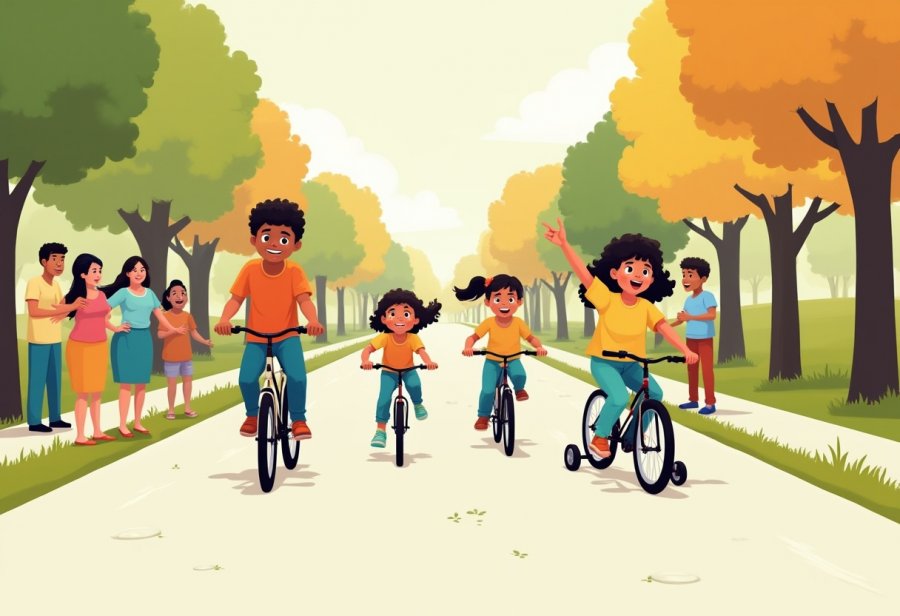
Unlock Confidence and Resilience: Emotional Benefits of Riding a Bike
Learning to ride a bike does more than develop physical coordination; it significantly boosts a child’s confidence. When children master balancing, pedaling, and steering on their own, they gain a genuine sense of achievement that makes them feel capable and strong. These small victories—such as gliding a bit further or maintaining balance longer—gradually build their belief in their abilities. That growing confidence often spills over into other areas, encouraging kids to try new activities and face challenges with a more positive outlook.
Resilience is another vital benefit that emerges from learning to ride. Wobbles, falls, and setbacks are natural parts of the process, but they teach children that failure isn’t final. Each time they get back on after a tumble, they learn that perseverance pays off. This mindset of pushing through difficulties helps develop emotional strength, making them more equipped to handle frustrations and obstacles in school, friendships, or future pursuits.
The emotional growth tied to riding is equally important. Facing the fear of falling or losing control helps children develop patience and self-control. Supportive adults who create a safe environment and celebrate efforts—rather than just successes—help transform anxiety into excitement. As children see their persistence rewarded, they learn to manage frustration and stay motivated, turning initial fears into confidence.
Gaining control over their bike fosters a sense of independence that lifts self-esteem. When children realize they can navigate their surroundings and explore on their own, their confidence in handling new challenges grows. This autonomy empowers them to venture further and embrace new adventures, reinforcing the idea that effort and persistence lead to growth.
Riding also sparks feelings of freedom and curiosity. As kids discover they can master their bike and explore different routes, a sense of adventure blossoms. This emotional reward reinforces resilience and encourages a willingness to push boundaries. The thrill of independence and discovery becomes a powerful motivator that nurtures a resilient mindset that lasts well beyond childhood.
The process of learning to ride also teaches children that setbacks are a normal part of growth. Overcoming fears and pushing through wobbling or falling builds emotional resilience. These experiences demonstrate that persistence is key to progress, shaping a mindset that values effort over perfection and fosters a positive attitude toward future challenges.
Finally, mastering the bike becomes a symbol of emotional resilience and confidence. It shows children that they are capable of overcoming fears and trying again after setbacks. These lessons, learned on two wheels, become a foundation for lifelong growth—helping children approach life’s challenges with courage, patience, and a sense of achievement that extends far beyond their first bike ride.
Practical Tips for Teaching Kids to Ride: Safety, Methods, and Creating Joyful Experiences
Teaching a child to ride a bike begins with creating a safe, encouraging environment that fosters confidence and exploration. Choose flat, open spaces such as parks, empty parking lots, or quiet driveways where distractions are minimal. These settings allow children to focus on balancing and pedaling without the added worry of traffic or obstacles. Ensuring the bike fits properly is equally crucial—an appropriately sized bike helps children feel in control and reduces frustration, setting a positive tone from the start.
Starting with balance-focused tools like balance bikes or removing pedals from a regular bike helps children concentrate solely on staying upright. This foundational step builds core stability and control, which are essential for progressing to pedaling and steering. When children feel comfortable balancing, gradually introduce pedaling and steering in a relaxed, playful way. Celebrating small successes, such as gliding a few meters or making gentle turns, boosts their confidence and motivation to keep trying.
Safety gear isn’t just a precaution; it’s an integral part of developing responsible riding habits. Helmets, knee pads, and elbow guards should be worn consistently to protect against falls and instill a safety-first mindset. Reinforcing this routine early on helps children see safety gear as normal and essential, easing their fears and encouraging brave attempts. As they become more confident, safety remains a priority, but it no longer feels like a barrier to progress.
Patience and positive reinforcement are key as children develop their skills. Every wobble, stumble, or fall is a natural part of learning and offers an opportunity to teach resilience and persistence. When caregivers acknowledge effort and progress, children feel valued and motivated. Keeping the atmosphere fun and pressure-free helps transform setbacks into learning moments and sustains their enthusiasm for riding.
Gradually introducing gentle slopes or minor obstacles challenges children without overwhelming them. This incremental approach helps build confidence in different terrains and situations, reinforcing their control and balance. As skills improve, children can handle longer rides and more varied environments, all while feeling supported and safe.
Throughout the process, involving family members in regular outings or sharing stories about your own early riding experiences can inspire children to persevere. Creating a positive, shared adventure transforms what might seem like a difficult task into a memorable bonding experience. With patience, encouragement, and a focus on safety, children not only learn to ride but also develop a lifelong love for cycling and exploration.
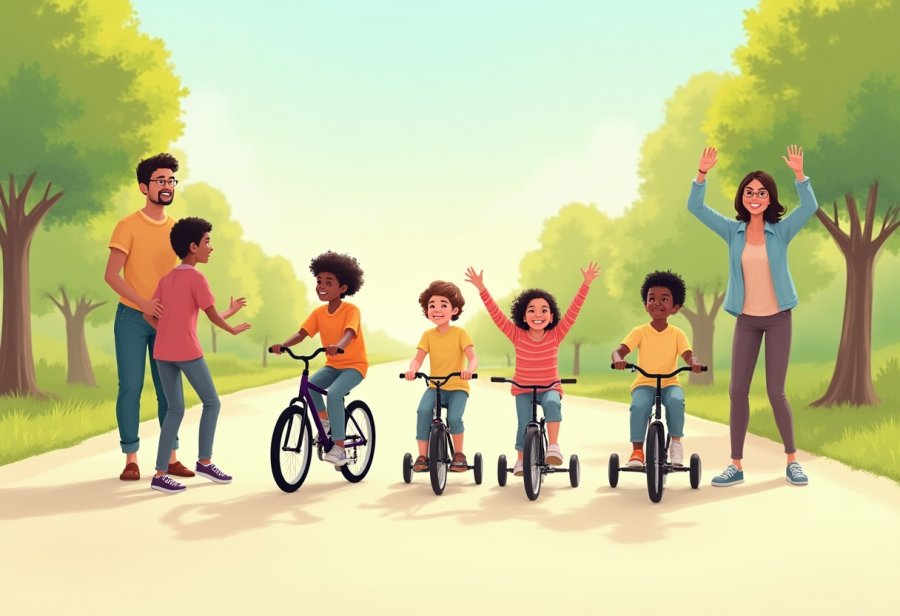
Reflect, Celebrate, and Continue Growing: The Lasting Impact of Learning to Ride
Learning to ride a bike is more than just acquiring a new skill; it’s a meaningful milestone that shapes a child’s confidence, resilience, and sense of independence. When children finally pedal on their own, they experience a surge of achievement that extends far beyond the act itself, inspiring them to tackle future challenges with a positive outlook. These early victories not only foster self-reliance but also lay a foundation for emotional growth that can influence many areas of their lives.
Family involvement transforms the journey of learning to ride into a shared celebration. When parents and siblings offer encouragement and recognize small successes, it deepens bonds and turns what might seem like a difficult task into a joyful collective achievement. These moments of effort and support create lasting memories that reinforce trust, love, and resilience within the family unit. Celebrating progress, no matter how small, helps children feel valued and motivated to keep pushing forward.
Beyond the physical act of riding, children learn vital life lessons about patience and perseverance. Falling and wobbling become familiar parts of the process, teaching them that setbacks are temporary and manageable. Each successful attempt builds emotional strength, showing them that persistence pays off. This mindset of resilience helps them approach future hurdles—whether academic, social, or personal—with confidence and determination.
Mastering the bike also sparks a sense of independence and adventure. As children realize they can navigate their environment and explore new places, their self-esteem grows. This autonomy encourages curiosity and a willingness to take risks, fostering a resilient mindset that lasts well beyond childhood. The feeling of control and exploration becomes a powerful motivator, inspiring a lifelong love of growth and discovery.
Learning to ride a bike ultimately becomes a symbol of broader personal development—an experience that combines physical achievement with emotional maturity. It reminds children that overcoming fears and embracing effort can lead to independence and joy. These lessons of persistence and courage, learned on two wheels, stay with them long after they’ve put away their training wheels, shaping confident, resilient individuals ready to face whatever adventures lie ahead.