




Imagine never being stranded by a dead battery again—sounds like a dream, but it’s within your reach. Mastering simple maintenance routines can make all the difference in ensuring your vehicle starts reliably every time. How often do you check for corrosion, tighten those clamps, or test your battery’s voltage? These quick, straightforward steps can prevent inconvenient breakdowns, costly repairs, and the stress of unexpected failures, especially in extreme weather. A healthy battery not only guarantees effortless starts but also supports your vehicle’s overall electrical health, keeping everything from headlights to smartphones working seamlessly. Are you ready to take control of your driving confidence and eliminate the surprise of a dead battery? With just a few minutes every few months, you can extend your battery’s lifespan, improve reliability, and enjoy peace of mind knowing your car is always prepared to perform—no matter the season or the distance.

Keep Your Car Starting Strong: The Essential Guide to Battery Maintenance
Your car’s battery might be small, but it’s essential for your daily driving experience. It’s the starting point that gets your engine running and powers all the electrical systems you depend on, from headlights to your phone charger. Without a healthy battery, your car simply won’t start, which can throw off your plans and leave you stranded. That’s why understanding how to keep it in good shape isn’t just for car enthusiasts—it’s a smart move for anyone who values reliability and peace of mind on the road.
Many drivers tend to ignore their battery until a problem arises. Usually, we only think about it when the engine struggles to turn over on a cold morning or during a long trip when sudden failure is most inconvenient. But catching issues early can save you from more serious—and often costly—problems down the line. A well-maintained battery is less likely to leave you stranded unexpectedly and can last longer with proper care. That’s why incorporating simple checks and routines into your regular vehicle maintenance is a smart, proactive step.
Understanding how a car battery works helps highlight why proper care is so important. Most are lead-acid types, with plates of lead and lead dioxide submerged in sulfuric acid. When you turn the key, the battery supplies a quick burst of electrical energy to start the engine. Once the engine is running, the alternator takes over, recharging the battery and powering your electrical systems. Recognizing this process makes it clear that your battery isn’t just a power source—it’s a vital component that works behind the scenes every time you drive.
Batteries face a variety of stressors daily. Extreme weather, from scorching summers to freezing winters, can take a toll. Long periods of inactivity or infrequent use also contribute to battery deterioration. Over time, batteries can lose their ability to hold a charge, develop internal faults, or accumulate corrosion that hampers electrical flow. These issues might not be immediately noticeable but can lead to harder starts and unexpected breakdowns. That’s why paying attention to your battery’s condition through regular checks can help you catch problems early before they become emergencies.
Simple maintenance routines make a big difference in keeping your battery healthy. Visual inspections for corrosion around the terminals, ensuring the battery is securely mounted, and testing its voltage with a multimeter are quick, easy steps. Corrosion, which appears as white, bluish, or greenish deposits, acts like a barrier that hampers electrical flow. Cleaning it with a baking soda and water mixture and a wire brush restores good contact and prevents further buildup. Regularly securing the battery and tightening the clamps ensures stable connections, especially on rough roads or during long trips.
Testing your battery’s voltage is a straightforward way to assess its health. Using a multimeter, you can check whether it’s holding a proper charge—around 12.6 volts when the engine is off. If the reading drops significantly below that, it’s a sign your battery may be weakening or nearing the end of its lifespan. Performing this check every few months, particularly before cold weather, can help you identify early signs of trouble and plan for replacements before a breakdown occurs. This simple habit offers peace of mind and keeps your vehicle dependable.
As your battery ages, its capacity diminishes, and internal components may start to fail. Most car batteries last between three and five years, depending on climate and usage. Signs like sluggish engine starts, dimming headlights, or electrical issues can indicate it’s time for a replacement. Routine inspections, including voltage tests and visual checks, help you stay ahead of potential problems. Replacing an aging battery before it fails unexpectedly not only maintains your vehicle’s reliability but also prevents the inconvenience and expense of roadside breakdowns.
Incorporating these straightforward battery maintenance routines into your regular car care can significantly extend your battery’s lifespan. They require just a few minutes every few months but deliver maximum benefits—ensuring your vehicle is always ready to start when you need it. Staying proactive with simple checks and cleaning reduces the risk of unexpected failures, saving you time, money, and stress. When your battery is in good shape, you can drive with confidence, knowing your car will start reliably regardless of the weather or how long it’s been sitting. That peace of mind makes every drive more enjoyable and worry-free.

Simple Steps to Extend Your Battery’s Life and Boost Performance
Maintaining your car battery doesn’t have to be complicated or time-consuming. The key is to develop simple, routine habits that keep it in good shape and ensure your vehicle starts reliably every time. One of the easiest steps is to regularly check the battery terminals for corrosion—those white, bluish, or greenish deposits that can form over time. Corrosion acts like a barrier, impeding electrical flow and making it harder for your car to start. If you notice buildup, a mixture of baking soda and water applied with a wire brush can quickly clear it away, restoring a solid connection and preventing more serious issues down the line.
Securing your battery properly is just as important as keeping it clean. A loose or poorly fitted battery can vibrate excessively while driving, which might cause internal damage or lead to disconnections. Take a moment to verify that the battery is firmly seated and that the clamps holding it in place are tight. Loose terminals cause intermittent power issues, especially during rough roads or long trips. Tightening these connections with a wrench and ensuring the clamps are secure will help maintain a stable electrical flow, reducing the risk of sudden failures that can leave you stranded.
Regularly testing your battery’s voltage provides a simple yet effective way to monitor its health. Using a multimeter, you can quickly check whether your battery is holding a proper charge. When the engine is off, a healthy battery should read about 12.6 volts. If the voltage drops significantly below that, it’s a sign that your battery may be weakening or nearing the end of its lifespan. Performing this check every few months, especially before colder weather sets in, helps you catch early signs of trouble. Addressing these issues early can save you from inconvenient breakdowns and costly repairs later on.
Keeping the terminals clean isn’t just about appearance; it’s about maintaining optimal electrical performance. Dirt, grease, and corrosion can all hinder the flow of current between your battery and your vehicle’s electronics. To keep this connection clear, clean the terminals with a baking soda solution and a wire brush. Applying a terminal protectant spray or a thin layer of petroleum jelly after cleaning creates a protective barrier against moisture and future corrosion. These quick maintenance steps are particularly valuable in humid or salty environments, which accelerate corrosion and degrade battery performance over time.
As your battery ages, its ability to hold a charge diminishes, and internal components may start to fail. Most car batteries last between three and five years, depending on climate and usage. Signs like sluggish engine starts, dimming headlights, or electrical glitches indicate it might be time for a replacement. Regular inspections—including voltage tests and visual checks—help you stay ahead of potential problems. Replacing an aging battery proactively keeps your vehicle dependable, prevents unexpected breakdowns, and saves you the hassle and expense of roadside emergencies. Incorporating these straightforward maintenance routines into your regular vehicle care will extend your battery’s lifespan, improve overall reliability, and give you peace of mind every time you turn the key.
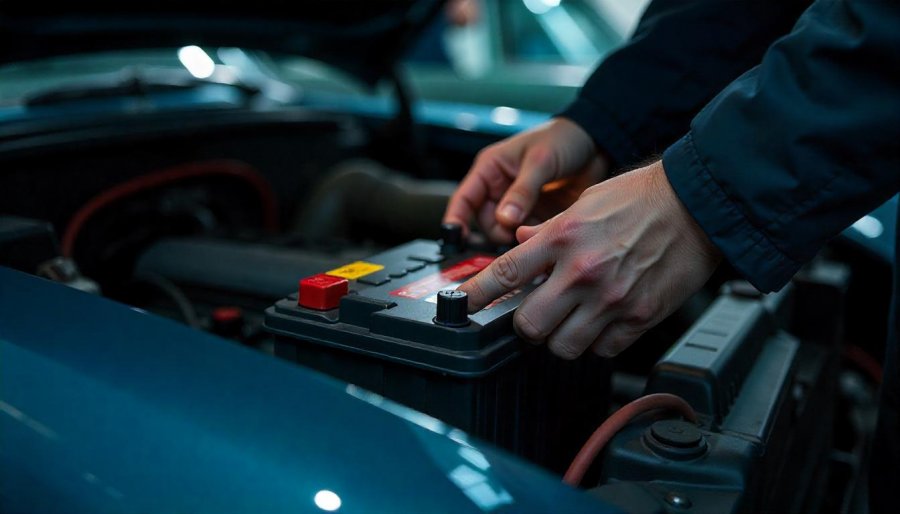
Drive Confidently Every Day: How Battery Care Ensures Reliable, Stress-Free Journeys
Keeping your battery in good shape is more than just a maintenance chore—it directly impacts your everyday driving experience. When your battery is healthy, starting your car becomes effortless, even on the coldest mornings. You won’t have to worry about unexpected stalls or delays, which means you can rely on your vehicle to be ready when you need it most. This consistency in performance reduces stress and makes your daily routines smoother, whether you’re commuting to work, running errands, or heading out on a spontaneous trip.
Simple habits like checking the terminals and cleaning corrosion every few months aren’t just about upkeep—they’re about building confidence in your vehicle’s reliability. These quick routines take only a few minutes but can prevent larger issues down the line. When your battery is well-maintained, you avoid the frustration of being stranded unexpectedly or dealing with costly repairs. Instead, you gain peace of mind, knowing that your car is prepared to start on demand, no matter the weather or how long it’s been sitting.
Extreme temperatures are a common stressor for car batteries, especially in winter and summer. Regular maintenance helps your battery withstand these conditions. Cold weather slows chemical reactions inside the battery, increasing the risk of failure if it’s already weak. By staying proactive—testing the voltage, checking for corrosion, and replacing aging batteries—you keep your vehicle ready to handle the cold snaps and heatwaves that can otherwise catch you off guard. This level of preparedness can be the difference between a smooth start and being stuck in the cold or heat, waiting for roadside assistance.
Beyond just ensuring your car starts reliably, proper battery care supports your vehicle’s overall electrical health. When your battery is in top condition, all your electronic comforts—radio, GPS, smartphone chargers—operate seamlessly. Maintaining a healthy battery also reduces the chances of electrical glitches that can be both annoying and costly. This steady performance keeps your drives pleasant and uninterrupted, so you can focus on the road instead of troubleshooting electrical issues or worrying about breakdowns.
Most importantly, consistent battery maintenance fosters peace of mind. When you know you’ve taken simple steps to keep your battery in good shape, you’re less likely to feel anxious about being stranded unexpectedly. This confidence allows you to enjoy your driving experience more fully, whether you’re navigating city streets or venturing into more remote areas. A small investment of time and attention translates into worry-free journeys, where you can focus on what truly matters—getting where you need to go without stress. In practical terms, it’s an easy way to make your everyday life more reliable and less interrupted by vehicle troubles.