




Transforming Toronto yards into stunning outdoor retreats involves more than just aesthetics; it demands a seamless balance between beauty, sustainability, and client vision. How can homeowners enjoy vibrant, low-maintenance landscapes that thrive amid Toronto’s seasonal shifts? This guide reveals that thoughtful design—using native plants, eco-friendly materials, and innovative features like rain gardens and permeable pavers—can craft resilient, inviting spaces that harmonize with the environment. Expert landscape design combines art and science, emphasizing principles like balance, focal points, and flow, all tailored to personal lifestyles. Clear, ongoing communication during every project phase ensures client satisfaction, from initial concept to final installation. Real-world examples demonstrate that eco-conscious choices—such as native flora and recycled materials—not only elevate visual appeal but also reduce long-term effort and costs. Are sustainable, beautiful outdoor spaces truly attainable? With the right approach, they become transformative realities that inspire and endure.
Transforming Toronto Yards into Inviting Outdoor Retreats with Style and Sustainability
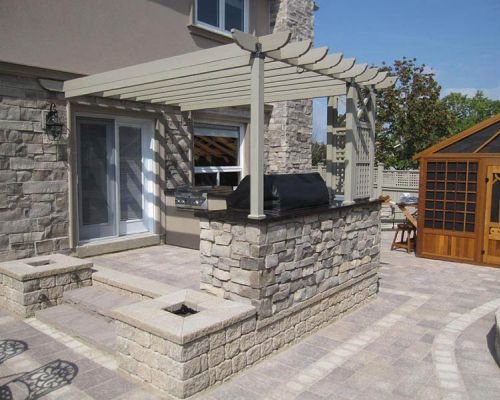
Transforming a Toronto yard into an inviting outdoor retreat is about more than just adding plants or paving stones—it’s about creating a space that feels welcoming, reflects the homeowner’s personality, and can withstand the city’s seasonal challenges. A well-designed yard balances visual appeal with practicality, ensuring the space remains beautiful and functional throughout the year. Achieving this harmony starts with thoughtful planning and clear communication, so every element aligns with the homeowner’s lifestyle and goals.
In Toronto’s climate, selecting native plants and eco-friendly materials is key to creating a resilient landscape. These choices support sustainability, reduce water and chemical use, and demand less ongoing maintenance. When design and installation work hand in hand—something we prioritize through our integrated approach—homeowners can enjoy a seamless process and a final result that truly feels like an extension of their home.
Design principles such as balance, focal points, and flow guide the transformation from an ordinary yard to a personal sanctuary. Focal points like a water feature or a cozy seating area draw attention and define purpose, while pathways connect different zones naturally. Proper proportions ensure every feature feels right within the space, making the yard cohesive and inviting. When these elements come together, the outdoor area becomes more than just a pretty spot—it becomes a space for relaxation, gathering, and everyday life.
Sustainability plays a critical role in maintaining the yard’s beauty over time. Incorporating eco-friendly practices like rain gardens, permeable paving, and native plantings helps manage stormwater and reduces environmental impact. Plants adapted to Toronto’s climate flourish with minimal intervention, staying lush and vibrant across seasons. This focus on climate-aware landscaping ensures the yard remains resilient, lowering costs and effort while supporting local ecosystems.
From initial concept to final installation, our goal is to make the process as smooth and satisfying as possible. Open communication, transparency, and collaboration with homeowners help manage expectations and foster trust. When clients are involved at every step, they feel confident in the choices made and excited about the final result—an outdoor retreat that enhances their home and aligns perfectly with their vision.
Mastering the Art and Science of Landscape Design in Toronto
Landscape design blends art and science, turning ordinary yards into cohesive, inviting outdoor spaces. At its core are principles like balance, focal points, flow, and scale—those foundational ideas that shape how a landscape feels and functions. Balance ensures visual harmony, so no one element overwhelms the rest, creating a sense of stability. Focal points, such as a striking plant, sculpture, or fire feature, draw attention and give the space purpose. Flow guides pathways and planting arrangements, making the yard feel connected and easy to navigate. Scale keeps features proportionate, preventing a tiny seating area from feeling lost or a large patio from feeling overwhelming.
Historically, landscape design has evolved from formal European gardens to more relaxed, naturalistic styles that emphasize native plants and ecological harmony. Formal layouts with symmetry gave way to organic, free-flowing designs that mimic nature’s patterns. Today, successful transformations often blend these traditions with modern sustainability practices. This approach results in outdoor spaces that are not only beautiful but also resilient, able to withstand Toronto’s seasonal ups and downs. Understanding this history helps designers select the right plants and materials, ensuring the landscape’s longevity and health.
Climate considerations are central to effective landscape design in Toronto. The city’s hot summers and cold winters demand plants that are adapted to these swings. Native species, having evolved alongside local conditions, thrive with less water, fewer chemicals, and minimal fuss. Incorporating these hardy plants creates landscapes that remain lush year-round, reducing maintenance while supporting local ecosystems. This climate-aware approach aligns with broader goals of sustainability, making the yard easier to care for and more environmentally friendly.
Designing with the homeowner’s lifestyle and preferences in mind enhances the overall success. Whether someone envisions a large entertaining patio or a peaceful garden nook, understanding their routines and tastes shapes the plan. Asking about daily activities and aesthetic preferences helps tailor the landscape, making it more meaningful and functional. A family with young children might prioritize safe play areas, while someone seeking tranquility might focus on lush gardens and cozy seating. This balance between personal style and sound design principles creates outdoor spaces that truly feel like an extension of the home.
Sustainable landscape practices form a key part of modern design, especially in Toronto. Eco-friendly choices like permeable pavers, rain gardens, and recycled materials support stormwater management and reduce environmental impact. Water-saving techniques such as rain barrels and drip irrigation conserve resources and promote eco-conscious living. Thoughtful use of natural light and shade minimizes the need for additional energy, making the space more energy-efficient. These practices not only benefit the environment but also cut ongoing costs, helping landscapes stay vibrant and healthy with less effort over time.
Choosing the right plants is crucial for a resilient, low-maintenance yard. Native species are best suited to Toronto’s soil and climate, requiring less water, fewer fertilizers, and fewer chemicals. This results in a landscape that looks great throughout the seasons and ages gracefully. By prioritizing climate-appropriate plants, homeowners can enjoy a lush, vibrant yard that’s both beautiful and sustainable. This approach ensures the landscape remains durable and lively, providing lasting value and enjoyment for years to come.
Current Trends and Innovative Strategies Shaping Toronto’s Outdoor Spaces
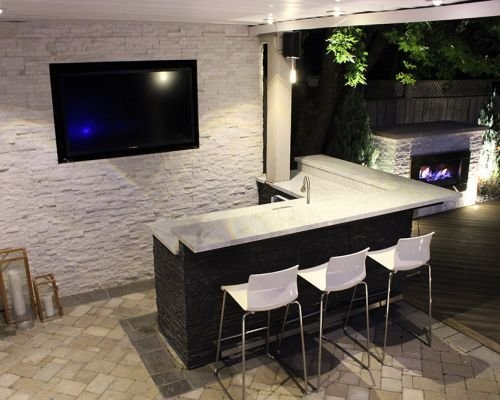
Current landscape design trends in Toronto reflect a shift toward blending style with sustainability and practicality. Homeowners are increasingly drawn to outdoor spaces that serve as inviting retreats, featuring elements like fire pits, water features, and ambient lighting. These features don’t just elevate visual appeal—they foster outdoor living and relaxation, turning yards into personal sanctuaries. Eco-friendly materials such as recycled stone and permeable pavers are gaining popularity, supporting environmental goals while maintaining sleek aesthetics.
Native plants and climate-aware planting schemes are at the forefront of current practices. They require less water, fewer chemicals, and minimal upkeep, which lowers costs and reduces environmental impact. Incorporating resilient native species ensures landscapes stay vibrant across Toronto’s unpredictable seasons, simplifying maintenance and boosting sustainability. This approach aligns with a broader move toward eco-conscious landscaping that balances beauty with long-term resilience.
Innovations like modular design systems, vertical gardens, and smart irrigation are transforming outdoor spaces. Modular components offer flexible layouts adaptable to changing needs, while vertical gardens maximize limited space and add visual interest. Smart irrigation systems, controlled via apps or sensors, conserve water by adjusting watering schedules based on real-time conditions. These tech-driven features make yards more functional, efficient, and tailored to modern lifestyles, emphasizing convenience and personalization.
Lighting technology has also evolved, with LED fixtures, string lights, and spotlights becoming standard. Thoughtful placement highlights focal points like water features and seating areas, extending usability into the evening. Well-designed lighting schemes turn simple yards into cozy outdoor rooms, encouraging more evenings spent outside and creating a welcoming atmosphere. Proper lighting not only enhances safety but also elevates the overall ambiance, making outdoor spaces more inviting after dark.
Plant selection remains critical, especially given Toronto’s climate swings. Native species adapted to local soil and weather conditions thrive with minimal intervention, requiring less water, fertilizers, and chemicals. This focus on climate-appropriate planting supports sustainability and ensures landscapes remain lush and vibrant year-round. By choosing resilient plants, homeowners can enjoy beautiful, low-maintenance yards that stand the test of time, demonstrating that style and ecological responsibility can go hand in hand.
Ensuring Client Satisfaction Through Seamless Design and Expert Installation
Creating a successful outdoor transformation begins with clear, ongoing communication with the client. From the initial consultation, listening carefully to their vision and asking detailed questions about how they plan to use their yard, their style preferences, and specific needs lays a strong foundation. This collaborative approach ensures the design aligns with their expectations, minimizing surprises and building trust from the start. Keeping open dialogue throughout the process helps manage adjustments smoothly, making the experience more enjoyable and less stressful for everyone involved.
Once the concept is developed, presenting it transparently is key. Sharing detailed plans, material samples, and visual mock-ups allows clients to visualize the final product and feel confident in the direction. Being upfront about potential challenges or necessary adjustments fosters realistic expectations and encourages a team effort, which keeps the project moving efficiently. This transparency builds a partnership that values the client’s input and promotes mutual understanding, making the entire process feel seamless and collaborative.
During installation, close coordination with a skilled, experienced team is essential. Setting a clear schedule with well-defined milestones provides structure and keeps the project on track. Regular updates and check-ins enable early detection of issues, allowing quick solutions without delaying progress. Involving clients at key decision points—such as approving plant placements or material choices—ensures their vision remains central. This level of engagement fosters confidence and satisfaction, resulting in a landscape that truly meets their expectations.
Choosing reputable installers familiar with Toronto’s climate and landscape nuances makes a significant difference. Their expertise guarantees proper plantings, correct material installation, and efficient workflows, which together produce a durable, high-quality landscape. Professional craftsmanship minimizes errors and speeds up the process, helping deliver a finished yard that balances beauty and functionality. Flexibility during installation is also crucial; weather delays or unforeseen soil conditions may require quick adjustments. Maintaining open communication and having contingency plans keeps things moving smoothly, preventing frustration and ensuring the project’s success.
After installation, a detailed walkthrough with the homeowner confirms everything matches the plan. Addressing minor tweaks at this stage reinforces a commitment to their satisfaction. Providing guidance on landscape maintenance and care empowers clients to manage their new outdoor space confidently, supporting its long-term health and beauty. When clients are involved and informed throughout, they walk away with a personalized, polished outdoor retreat that exceeds expectations and becomes a true extension of their home.
Real-World Success: Examples of Eco-Friendly and Aesthetically Pleasing Landscapes in Toronto
Toronto homeowners are showing that blending aesthetics with eco-conscious practices isn’t just a concept—it’s happening right in their own backyards. One project transformed a neglected, small backyard into a lush oasis by prioritizing native plants that thrive naturally in Toronto’s climate. Instead of relying on high-maintenance, imported species, designers used local flora that require less water and fewer chemicals. The result is a vibrant, low-effort garden that remains stunning year-round, proving that sustainability and beauty can go hand in hand.
Another standout example features a modern patio designed with permeable pavers and a rain garden, effectively managing stormwater during Toronto’s rainy seasons. The permeable surfaces allow water to soak into the ground, reducing runoff and erosion, while the rain garden acts as a natural sponge, absorbing excess rainwater. Beyond environmental benefits, this space became a perfect spot for gatherings, seamlessly combining style with practicality. These features demonstrate how eco-friendly elements can elevate outdoor living without sacrificing visual appeal.
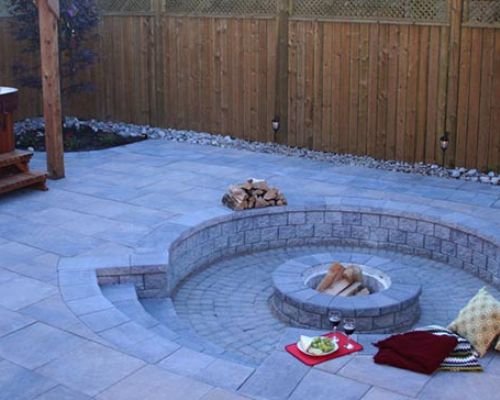
Water features and lighting also play a key role in creating inviting outdoor retreats. One yard showcases a cozy fire pit surrounded by native shrubs, fostering a warm, natural gathering spot. Subtle LED lighting highlights focal points like water features and seating areas, extending usability into the evening hours. These touches turn simple yards into personal sanctuaries where homeowners can relax, entertain, and connect with nature long after sunset, elevating the outdoor experience.
Maintenance becomes more manageable thanks to thoughtful plant choices and sustainable materials. Native plants, well-suited to Toronto’s climate, require less watering, fertilizers, and pest control, lowering ongoing costs and effort. Using recycled stone for pathways and FSC-certified wood for fencing not only enhances aesthetic appeal but also aligns with environmental values. These projects demonstrate that sustainable landscaping isn’t a compromise—it’s a smart, long-term investment in beauty, resilience, and ease of care.
What these examples reveal is a shift in homeowner priorities—favoring landscapes that support long-term environmental health while providing aesthetic satisfaction. By selecting native plants and eco-friendly materials, they craft resilient, vibrant outdoor spaces that withstand Toronto’s seasonal changes with minimal intervention. These yards stand as proof that sustainability and style can coexist effortlessly, inspiring others to see eco-conscious design as a practical, attractive choice for their own outdoor spaces.