




In an era where seamless, reliable communication defines business success, how can customizable telephony solutions revolutionize your network? Grandstream’s innovative devices, especially the robust GRP series IP phones, offer a future-proof foundation for scalable, secure, and adaptable systems. Their centralized Device Management System (GDMS) makes deploying and managing large-scale networks effortless, whether in-office or remote. As traditional landlines give way to advanced VoIP and cloud-managed platforms, organizations gain not only cost savings but also features like video calls, AI-driven automation, and enhanced security. Yet, with rapid technological evolution—such as smarter networks, real-time analytics, and integrated AI—are your current systems prepared for tomorrow’s demands? This strategic shift towards personalized, intelligent communication ecosystems promises to boost productivity, streamline operations, and foster agility, positioning your business ahead of the curve. Embracing these innovations today could be the key to unlocking unparalleled connectivity and growth in an increasingly digital landscape.
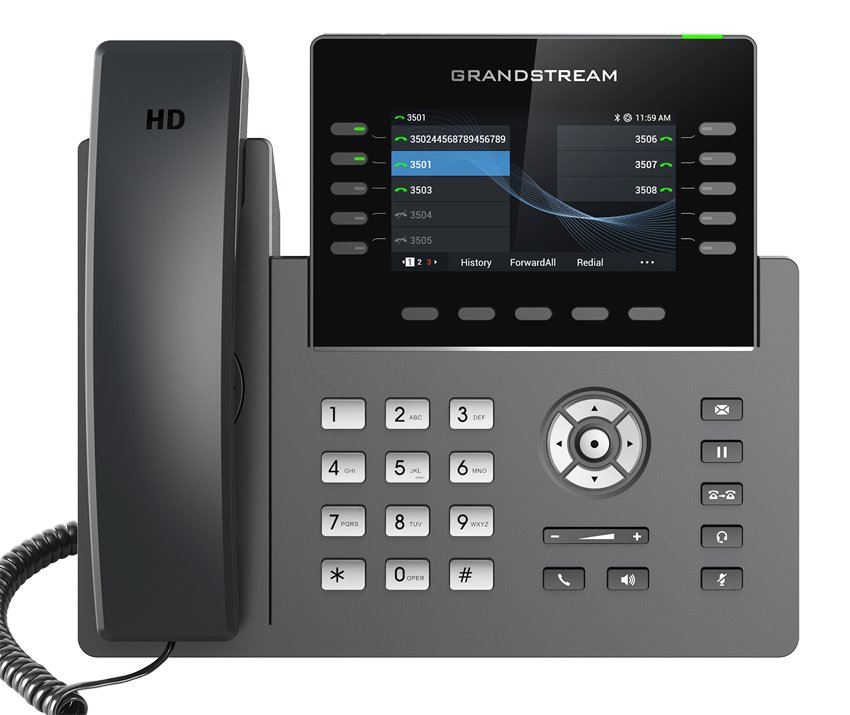
Transform Your Business Communication with Customizable Telephony Solutions
In today’s fast-moving business world, clear and reliable communication isn’t just a bonus—it’s essential. Companies of all sizes are seeking smarter, more flexible ways to stay connected, collaborate seamlessly, and respond quickly to customer needs. That’s where customizable telephony solutions come into play, allowing organizations to tailor their communication systems to fit specific operational demands. Moving beyond one-size-fits-all setups, businesses can now build networks that are scalable, adaptable, and aligned with their growth strategies.
As technology advances, traditional landline systems are gradually giving way to internet-based options like VoIP. These modern systems leverage the internet to transmit voice and multimedia, offering not only cost savings but also a host of advanced features. From supporting remote work to integrating with digital tools, customizable telephony creates a foundation for more agile and efficient communication. This shift enhances overall connectivity and enables businesses to respond faster to changing market conditions and customer expectations.
Choosing the right telephony setup isn’t just about technology; it’s about creating a dependable environment that boosts collaboration and improves user experience. Customization enables organizations to configure devices with specific features, shortcuts, and workflows tailored to their teams’ needs. When paired with cloud management, these solutions become easier to deploy, maintain, and scale—ensuring communication remains seamless even as organizations expand or transition to hybrid work models.
The move toward personalized communication ecosystems is driven by the need for greater control and flexibility. Cloud-managed platforms allow remote oversight, making updates and troubleshooting straightforward. Devices like Grandstream’s IP phones support mass deployment and centralized management, simplifying large-scale rollouts across multiple locations. This approach ensures a consistent, secure, and easily manageable network that can adapt to evolving operational demands.
Ultimately, customizable telephony solutions aren’t just upgrades—they’re strategic tools that build resilient, efficient, and future-proof communication networks. They help organizations stay connected, respond swiftly to customer needs, and grow without being hampered by outdated systems. Embracing these innovations now positions businesses to thrive in an increasingly digital landscape, where flexibility and reliability are key to maintaining a competitive edge.
Tracing the Evolution of Telephony: From Landlines to Digital Networks
Telephony solutions have come a long way from the days when landline phones were the primary mode of office communication. Back then, voice calls relied on analog signals traveling over copper wires, offering simplicity but limited in features and scalability. As digital technology advanced, the introduction of digital systems and, eventually, Voice over Internet Protocol (VoIP) transformed the landscape. VoIP digitizes voice signals, converting them into data packets that travel over the internet, enabling not just voice calls but also video conferencing, instant messaging, and seamless integration with digital workflows.
Understanding the core concepts behind modern telephony is key to appreciating its evolution. IP phones, for instance, are designed specifically to connect directly to digital networks, supporting high-definition audio, programmable keys, and touchscreens. These devices work in tandem with standards like SIP (Session Initiation Protocol), which manages the signaling and setup of multimedia sessions, ensuring interoperability across diverse platforms. Network integration, meanwhile, involves linking these devices with existing IT infrastructure, providing a reliable backbone for communication that can adapt to various organizational needs.
The shift from traditional landlines to IP-based systems was driven by the demand for greater flexibility, mobility, and feature richness. Companies moved away from fixed phones in single locations to support remote work and digital collaboration. Cloud platforms further simplified management—allowing organizations to configure, monitor, and update systems remotely, without the need for extensive on-site hardware. Many businesses now adopt hybrid setups that combine on-premises equipment with cloud services, balancing control with ease of scalability and deployment.
Standards and best practices underpin this transition, with protocols like SIP ensuring smooth interoperability among different devices and platforms. Quality of Service (QoS) mechanisms prioritize voice traffic, reducing delays and ensuring clear, uninterrupted calls even during peak network usage. Security measures such as encryption and regular firmware updates protect communications from cyber threats. Designing networks with redundancy and scalability in mind helps future-proof systems, allowing them to grow alongside the organization without compromising performance or security.
Recognizing these foundational elements highlights how current telephony solutions are not just about making calls—they are about creating adaptable, secure, and integrated communication ecosystems. This evolution reflects a broader move toward smarter, more connected workplace environments, where digital communication tools support productivity, collaboration, and growth. Understanding the history and core principles of telephony equips organizations to make informed decisions, ensuring their systems are resilient and ready to meet the demands of tomorrow’s digital world.

Current Trends: What Businesses Seek in Modern Telephony Systems
Today’s business communication landscape is dominated by IP-based solutions like VoIP and IP phones, which have largely replaced traditional landlines. Companies are drawn to these systems because they offer significant cost savings, easier management, and a wide range of advanced features such as video conferencing, instant messaging, and mobility. Businesses want reliable, flexible setups that support remote work and integrated digital workflows, especially as teams become more dispersed and hybrid work models become the norm.
Many organizations prioritize solutions that not only reduce expenses but also enhance productivity. Cloud-managed telephony platforms make deployment quick and straightforward, allowing companies to onboard new users or expand to multiple locations without major hardware investments. This flexibility helps businesses adapt swiftly to market changes or unexpected disruptions, ensuring minimal downtime and seamless communication. Hybrid systems, which combine on-premises hardware with cloud services, strike a balance between control and convenience, catering to complex operational needs.
Security and reliability remain top concerns in selecting telephony systems. The shift to digital and IP-based solutions has prompted widespread adoption of standards like SIP, ensuring compatibility across devices and platforms. Quality of Service (QoS) protocols help prioritize voice traffic, reducing latency and maintaining clear calls even during busy periods. Encryption and regular firmware updates safeguard communications against cyber threats, while network designs that incorporate redundancy and scalability help future-proof the infrastructure against growth and evolving demands.
An increasing focus on unified communication platforms integrates voice, video, and messaging into a single ecosystem, streamlining workflows and boosting collaboration. Businesses are exploring AI-driven features like virtual assistants, real-time transcription, and smart call routing to create more personalized and efficient user experiences. Mobility solutions enable employees to stay connected from anywhere, using their preferred devices without sacrificing quality or security. This shift toward integrated, personalized systems reflects a broader trend of smarter, more adaptable telephony tailored to today’s dynamic work environment.
In essence, companies seek telephony solutions that combine cutting-edge technology with ease of use, security, and scalability. The move toward cloud-based management and flexible deployment models equips organizations to stay competitive in a rapidly changing digital world. As these systems evolve, they will continue to support growth, improve collaboration, and ensure reliable communication—turning modern telephony into a strategic asset that drives business success.
Grandstream Devices: Powering Flexible, Scalable Communication Ecosystems
Grandstream’s device lineup is crafted to support the flexible, scalable communication environments modern businesses require. Their IP phones, especially the popular GRP series, combine reliability with user-friendly features designed for mass deployment. These phones support high-definition audio, video calling, and programmable keys, allowing organizations to tailor devices to their specific workflows and operational needs. With options for Wi-Fi, Bluetooth, and touchscreens, these devices adapt seamlessly to various settings, whether in a busy office or a remote workspace.
Managing large-scale deployments is simplified through Grandstream’s centralized Device Management System (GDMS). This platform enables IT teams to configure, monitor, and update hundreds or thousands of endpoints remotely, ensuring consistency and reducing the risk of errors. The ability to oversee extensive networks from a single interface means organizations can deploy new devices quickly and efficiently, without disrupting daily operations or requiring extensive on-site support.
Cloud-managed solutions further enhance management flexibility. Administrators can make real-time adjustments, troubleshoot remotely, and deploy firmware updates from anywhere—saving time and minimizing downtime. This ease of control supports rapid scaling and simplifies ongoing maintenance, making it easier to add new users or expand to multiple locations without significant hardware investments or logistical challenges.
Grandstream’s networking equipment complements their phones to optimize network performance. Their switches and routers incorporate Quality of Service (QoS) protocols that prioritize voice traffic, ensuring clear, uninterrupted calls even during peak usage times. These devices support easy expansion, allowing additional endpoints and new sites to be integrated smoothly, maintaining network reliability and high-quality communication across all touchpoints.
Investing in Grandstream’s devices and management tools empowers organizations to craft tailored, high-performance communication ecosystems. Their hardware supports swift deployment, centralized control, and secure connectivity—crucial elements for building modern, adaptable telephony systems. As future trends introduce smarter networks and AI-driven features, Grandstream’s solutions are positioned to evolve, ensuring your communication infrastructure remains resilient, secure, and ready for tomorrow’s demands.
By choosing Grandstream, businesses gain more than just reliable hardware—they secure a future-proof foundation for personalized, efficient, and scalable communication. These devices and platforms enable organizations to respond quickly to changing needs, support hybrid work models, and enhance overall productivity. With their focus on ease of deployment and management, Grandstream makes it possible to build a communication network that grows with your business, helping you stay connected and competitive in an increasingly digital world.

Future-Proof Your Business: Embracing Innovation and Smart Technologies in Telephony
Investing in Grandstream’s innovative devices offers more than a simple upgrade; it lays the foundation for a smarter, more adaptable communication system that can grow with your business. Their reliable hardware, combined with cloud-based management and extensive customization options, ensures you stay ahead in today’s rapidly evolving digital landscape. These tools not only streamline operations but also enhance collaboration and security—making them a strategic choice for organizations ready to modernize their communication infrastructure.
Looking forward, the future of business communication is set to become even more integrated with artificial intelligence and smarter network management. Features like virtual assistants, real-time transcription, and intelligent call routing will make interactions more personalized and efficient. Devices will evolve to become increasingly intuitive, adapting seamlessly to user preferences and operational workflows. This will enable organizations to respond faster to customer needs and internal demands, all while reducing manual effort and operational costs.
Network management is poised for significant advancements as well. Proactive monitoring tools will identify and resolve issues before they impact service, with automated troubleshooting, bandwidth optimization, and real-time analytics becoming standard features. These enhancements will ensure high-quality calls and stable connectivity during peak times, supporting the demands of a dynamic, hybrid work environment. Security will also see improvements, with encryption and threat detection integrated into systems to safeguard sensitive communications without complicating user experience.
The shift toward cloud-managed platforms will continue to make deployment and scaling easier than ever. Businesses will be able to add new users, expand to additional locations, or introduce new features with just a few clicks, eliminating the need for complex hardware setups or extensive technical support. This agility will be especially vital for organizations experiencing rapid growth or transitioning to hybrid and remote work models, helping them stay resilient and responsive.
Personalization will extend beyond individual devices into entire communication ecosystems tailored to specific industries and operational needs. Automated integrations, detailed analytics, and AI-driven automation will transform basic telephony into a strategic asset—driving productivity, enhancing customer experiences, and supporting smarter decision-making. Early adopters of these innovations will position themselves to stay ahead of the curve, ensuring their communication systems remain resilient, secure, and aligned with future demands.
Choosing Grandstream today means building a future-proof communication network that adapts to your evolving needs. Their solutions support seamless growth, improved collaboration, and stronger security, all while simplifying deployment and management. As the digital landscape continues to advance, these technologies will become even more integral to staying competitive and connected in an increasingly interconnected world.
By embracing these innovations now, your organization can unlock new levels of efficiency and agility. Grandstream’s devices and platforms are designed to keep you ahead, helping you respond swiftly to market shifts, support hybrid work models, and deliver exceptional customer service. The future of business communication is smart, flexible, and secure—making it essential to leverage these advancements today to ensure ongoing success tomorrow.