




In today’s fast-paced business environment, customized telephony solutions are transforming how organizations communicate—yet many still underutilize their full potential. Imagine systems tailored precisely to your workflows, streamlining operations and boosting productivity, but are you leveraging the right devices and management tools like Grandstream’s innovative IP phones? These scalable solutions, supported by cloud platforms like GDMS, offer centralized control, remote updates, and seamless integration, making deployment and management effortless. The benefits extend beyond hardware—optimized call routing, personalized features, and multi-channel integration create a more responsive, efficient environment. As AI and automation advance, the future promises even smarter, more adaptive communication systems that deepen customer relationships and foster organizational agility. Are you prepared to harness this evolution to gain a competitive edge? The shift toward personalized telephony isn’t just a trend but a strategic necessity—driving growth, resilience, and innovation in an increasingly digital world.
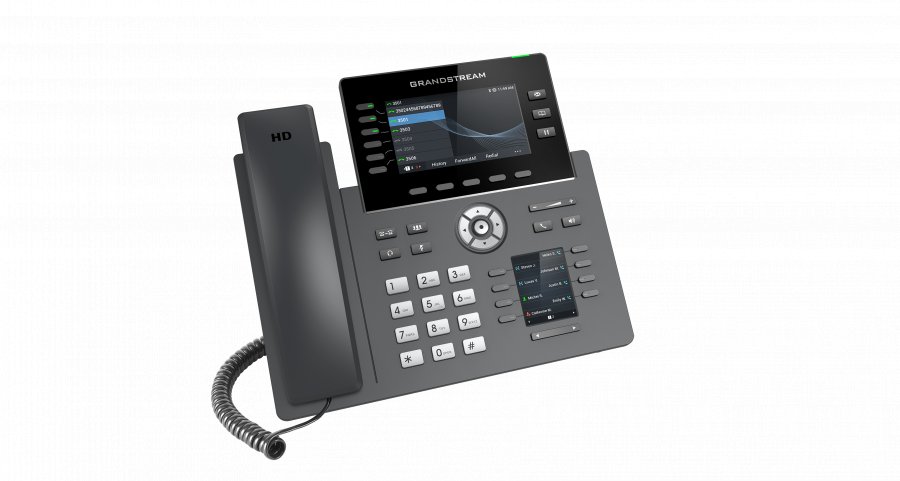
Transform Business Communication with Customized Telephony Solutions
In today’s fast-moving business landscape, effective communication is more than just a convenience—it’s a vital driver of success. Off-the-shelf phone systems often struggle to meet the unique needs of different teams or adapt quickly as workflows evolve. Customized telephony solutions offer a smarter approach, allowing organizations to design communication systems that fit their specific operations perfectly. By tailoring features, call routing, and device integrations, businesses can significantly boost efficiency and collaboration.
These personalized systems do more than just connect calls; they streamline daily operations by integrating seamlessly into existing infrastructure. Whether it’s assigning quick-dial buttons for frequently contacted partners or creating specialized call handling rules, customization helps reduce miscommunication and saves valuable time. The result is a clearer, more responsive communication environment that empowers teams to work smarter, not harder. Improving internal coordination and customer engagement becomes simpler when every call is routed accurately and handled efficiently.
As organizations grow or change direction, their communication needs often shift. Customized telephony solutions are inherently scalable, making it easy to add new features or devices without overhauling the entire system. Devices like Grandstream’s IP phones exemplify this flexibility, supporting straightforward management and a wide range of functionalities tailored to different roles. Cloud platforms such as GDMS further simplify deployment and maintenance, enabling remote configuration and oversight across multiple locations.
Adopting a tailored approach to communication is about more than hardware—it’s about rethinking how technology can support long-term business goals. When systems align with specific workflows, they foster better internal collaboration and deliver more personalized customer service. Integrating CRM systems, automating call routing, or providing quick access to key information turns standard communication channels into strategic assets that drive growth and innovation.
This shift from generic to customized telephony isn’t just a trend; it’s a practical step toward building more agile, resilient businesses. Connecting technology directly to operational needs ensures that companies remain responsive and competitive, even as markets and customer expectations evolve. By investing in scalable, flexible solutions like Grandstream devices managed through cloud platforms, organizations set themselves up for sustained success in an increasingly digital world.
Unlocking the Power of Grandstream’s Core Telephony Features
Building on the foundation of tailored communication strategies, Grandstream’s telephony solutions are distinguished by their robust and flexible features, making them ideal for creating highly customized systems. Their IP phones, especially the GRP series, combine sleek design with powerful capabilities such as support for multiple lines, high-definition audio, and intuitive user interfaces. These features enable organizations to personalize each device’s setup, ensuring that front-line staff and support teams have immediate access to the tools they need for effective communication.
A key advantage of Grandstream devices is their advanced provisioning capabilities. Managed centrally through cloud platforms like GDMS, these phones can be configured, updated, and monitored remotely at scale. This simplifies deployment, reduces the need for manual adjustments, and ensures consistency across all endpoints. IT teams can efficiently troubleshoot issues, roll out new features, and maintain system integrity without disrupting daily operations.
Hardware flexibility is another core strength. Many Grandstream devices support integrated Wi-Fi, Power over Ethernet (PoE), and vibrant color screens, which enhance usability and deployment options across different environments. Programmable keys further streamline workflows by providing quick access to frequently used functions, contacts, or third-party integrations. This level of customization allows organizations to tailor each device to specific roles, whether for call handling, information access, or collaboration.
Reliable network performance is essential for a seamless communication experience. Grandstream’s phones are designed to perform optimally in complex network environments, but proper network setup is crucial. Implementing Quality of Service (QoS), network segmentation, and supporting PoE helps prioritize voice traffic, minimize latency, and ensure high call quality. Combining these network optimizations with feature-rich devices guarantees a dependable, high-performance telephony system.
Cloud management platforms like GDMS are vital for ongoing system maintenance and scalability. They enable remote firmware updates, device management, and performance monitoring across multiple locations. This centralized control makes it easier to adapt the telephony system as organizational needs evolve, whether adding new users, integrating additional features, or expanding to new sites, all without significant hardware overhaul.
Overall, Grandstream’s telephony devices and management tools support the creation of scalable, reliable, and highly personalized communication environments. Their versatility and ease of management allow organizations to build tailored systems that enhance operational efficiency, improve internal collaboration, and deliver excellent customer experiences. Investing in these advanced features positions businesses to adapt quickly and thrive in a competitive, digital-first landscape.

Strategic Implementation for Seamless Telephony Deployment
Deploying customized telephony solutions begins with a clear understanding of your existing network infrastructure. Before making any hardware or software changes, assess bandwidth capacity, network segmentation, and Quality of Service (QoS) settings to ensure voice traffic can flow smoothly. A well-optimized network foundation minimizes issues like latency, jitter, or call drops, which can undermine the benefits of a tailored system. Investing time in this initial step creates a stable platform for seamless deployment and reliable performance.
Choosing the right devices is equally critical. Grandstream’s IP phones, particularly the GRP series, offer a versatile foundation for scalable, customized communication setups. Ensure these devices are compatible with your network environment and future growth plans. Proper device selection, paired with robust network configuration, helps prevent future bottlenecks and supports advanced features like multi-line handling, programmable keys, and high-definition audio. When devices are aligned with your operational needs, the system becomes easier to manage and more effective.
Training staff on the new system is often overlooked but is essential for success. Providing clear, accessible instructions on how to utilize key features—such as call routing, speed dialing, and troubleshooting—ensures quick adoption. Hands-on demonstrations and quick reference guides empower employees to use the system confidently, reducing support requests and boosting productivity from day one. Well-trained users are more likely to leverage the full potential of their telephony environment.
Leveraging centralized management platforms like GDMS simplifies ongoing maintenance and updates. These tools allow remote configuration, firmware upgrades, and performance monitoring across all devices and locations, eliminating the need for manual interventions. Regular system reviews and feedback from users help identify areas for refinement, ensuring the solution remains aligned with evolving business needs. This proactive approach keeps the system optimized, secure, and responsive to future demands.
Planning for growth is the final piece of effective implementation. Building scalability into your telephony setup—through flexible device choices and cloud-based management—enables seamless expansion. Adding new users, modifying call flows, or integrating additional features becomes straightforward, without disruptive hardware overhauls. By adopting these best practices, organizations can deploy customized telephony solutions that are not only reliable today but adaptable for tomorrow’s opportunities.
Enhancing Business Efficiency Through Tailored Communication Systems
Customized telephony solutions significantly boost communication effectiveness across various business environments by aligning technology directly with operational needs. When systems are tailored to specific workflows, they help eliminate unnecessary steps, making interactions faster, clearer, and more productive. For instance, retail teams can benefit from quick-dial buttons that connect them instantly to suppliers, streamlining order processes and reducing delays. Similarly, customer support centers can optimize their call routing and auto-attendant menus, enabling quicker responses and shorter wait times for customers.
Personalized features and precise call routing reduce misunderstandings and errors, ensuring employees have immediate access to the right contacts and information. This targeted approach results in quicker, more accurate communication, which strengthens client relationships and enhances service quality. When employees spend less time searching for numbers or navigating complex menus, they can focus more on delivering value and maintaining professionalism.
Modern telephony systems, especially those supported by customizable devices like Grandstream’s IP phones, are built to integrate seamlessly into existing infrastructures. These devices support high-definition audio, multiple lines, and user-friendly interfaces, making them versatile tools for various roles. When combined with cloud management platforms such as GDMS, deploying and adjusting these systems becomes straightforward, allowing organizations to stay agile and adapt rapidly to changing demands.
The ability to integrate multiple communication channels—voice, video, messaging—within a unified platform further enhances efficiency. Features like call forwarding, instant messaging, and video conferencing keep teams connected regardless of their location, fostering more natural and cohesive collaboration. This flexibility is crucial as remote work and hybrid models become the norm, ensuring that communication remains smooth and reliable.
Creating a communication system that caters to your team’s unique ways of working involves breaking down traditional barriers. Custom features—such as simplified call handling, immediate access to critical data, and personalized workflows—free employees from manual, repetitive tasks. This streamlining not only accelerates response times but also improves overall productivity, enabling staff to focus on higher-value activities.
Furthermore, tailored telephony solutions support a superior customer experience. When inquiries are routed accurately and handled efficiently, customers receive faster responses and more personalized service. This level of responsiveness builds trust, enhances brand reputation, and encourages long-term loyalty.
Investing in customized telephony systems ultimately leads to tangible results: faster response times, higher resolution rates on first contact, and increased customer satisfaction. By aligning technology with strategic goals, organizations turn their communication infrastructure into a competitive advantage. These systems become integral to growth, operational agility, and innovation, empowering businesses to thrive in a fast-evolving digital landscape.

Embracing the Future of Personalized Telephony Technologies
The future of customized telephony is set to become even more dynamic and integrated, driven by rapid advances in artificial intelligence and machine learning. These technologies are transforming traditional systems into smart, proactive tools capable of delivering faster, more personalized service. Voice assistants and predictive call routing will help organizations respond more swiftly, freeing up human agents to handle complex issues and fostering deeper connections with customers. As AI continues to evolve, it will automate routine inquiries seamlessly, making interactions more efficient and freeing valuable resources for strategic growth.
Cloud-based platforms will remain central to this evolution, offering unprecedented flexibility and scalability. Managing communication infrastructures remotely, deploying updates instantly, and integrating new devices across multiple locations will become effortless. This agility allows businesses to adapt quickly to changing market conditions, ensuring their telephony systems support ongoing innovation without costly disruptions. As a result, organizations can stay competitive and responsive in an increasingly digital world, turning their communication backbone into a strategic advantage.
The integration of voice, video, messaging, and data analytics into unified platforms will further streamline workflows and enhance omnichannel engagement. These interconnected systems will break down silos, enabling seamless transitions across communication channels and creating more natural, responsive interactions. Personalization will go beyond hardware, encompassing tailored call flows, automated responses, and context-aware features that make every touchpoint meaningful. This holistic approach will redefine how businesses build relationships, making every conversation more relevant and impactful.
Device management will become more user-friendly, empowering a broader range of users to customize their communication tools without extensive technical expertise. Businesses will find it easier to adjust features, call routing, and device settings to suit evolving needs. This democratization of technology will encourage wider adoption and inspire innovative uses across industries—from retail to healthcare—further amplifying the benefits of personalized systems. It will also foster a culture of continuous improvement, as companies refine their setups based on real-time feedback and changing priorities.
Security and reliability will grow even more critical as telephony systems become deeply embedded in cloud and IoT environments. Enhanced encryption, authentication, and ongoing monitoring will safeguard sensitive data and ensure system uptime. Building resilient, secure communication channels will be essential for maintaining customer trust and meeting compliance standards. As these systems become more integral to daily operations, organizations will prioritize creating robust, trustworthy solutions that support long-term growth.
Looking ahead, the trajectory of personalized telephony points toward smarter, more adaptable, and highly integrated communication ecosystems. Businesses that embrace these innovations today will position themselves for sustained agility, operational efficiency, and competitive advantage. As technology continues to evolve, tailored, efficient, and reliable communication will become the norm—powering success across industries and setting new standards for how organizations connect with their audiences in an ever-changing landscape.