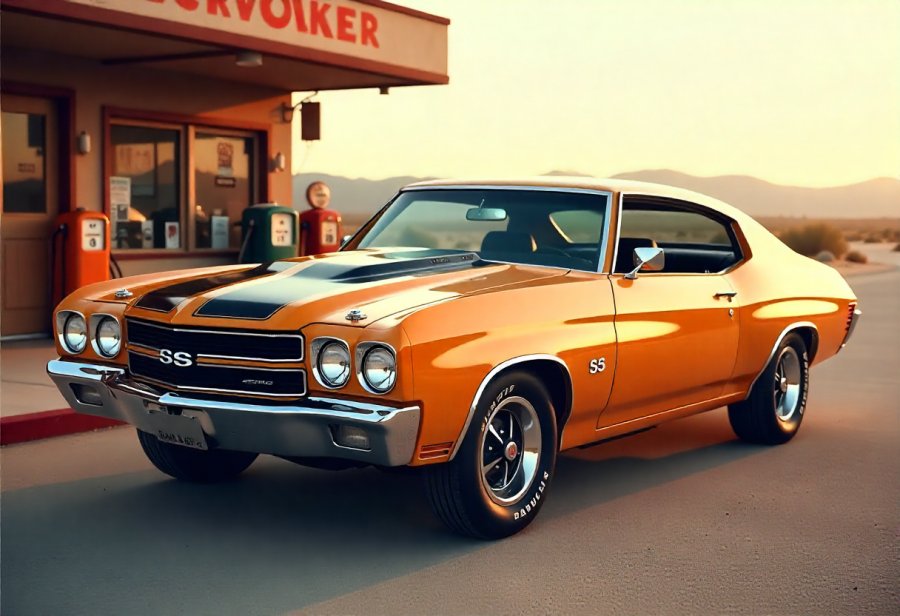




Step into the intimate world of the backyard mechanic—where passion, patience, and craftsmanship turn a humble garage into a sanctuary of innovation and tradition. This vivid exploration reveals how these spaces are more than mere workshops; they are personal sanctuaries where time slows, skills deepen, and machines are reborn. From meticulously restoring vintage cars to mastering the art of problem-solving, enthusiasts find both relaxation and purpose in every bolt turned. But what secrets lie behind this ritual of revival? As technology advances with 3D printing and diagnostics, the heart of restoration remains rooted in patience, creativity, and a love for machines. The future of garage-based DIY is a harmonious blend of old-school skill and modern innovation, driven by vibrant communities sharing knowledge and inspiration. Will these spaces continue to thrive as custodians of history and craftsmanship? They surely will, fueled by passion and the timeless joy of revival.
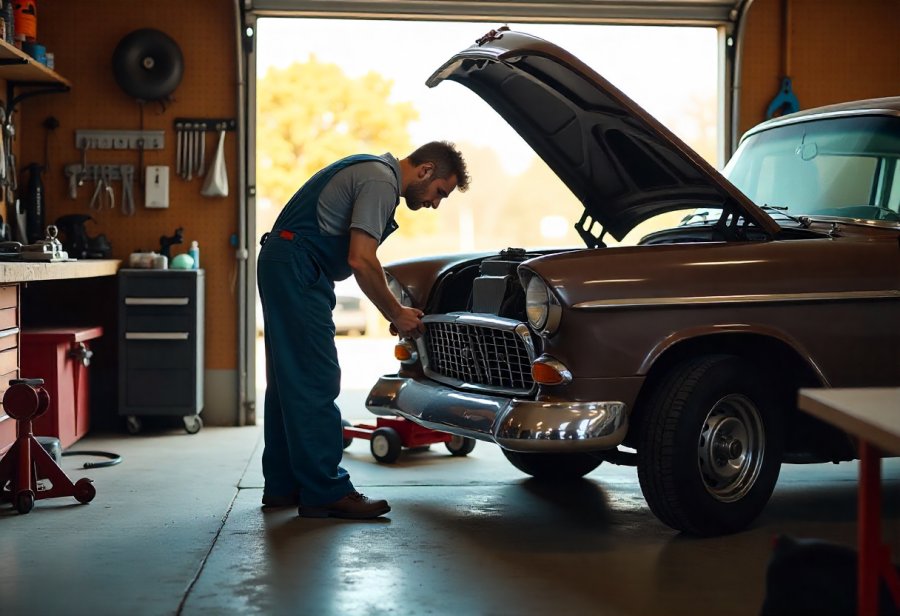
Discover the Sanctuary of Your Backyard Workshop
The garage is more than just a place to park a car; it’s the beating heart of a backyard mechanic’s world. For many enthusiasts, it transforms into a personal workshop where passion and craftsmanship come alive. This space becomes a sanctuary where time slows down, and focus sharpens on each project, whether it’s reviving a vintage engine or fine-tuning a beloved ride. It’s a place where hands-on problem solving turns routine repairs into rewarding rituals.
Inside, the garage is filled with tools, parts, and memories collected over years of tinkering. Every wrench, screwdriver, and bolt tells a story of late nights and small victories. The cluttered workbench, neatly hung tools, and oil-stained floors reflect a space built for creativity, patience, and mastery. Here, technical skill and personal expression blend seamlessly, giving each project a sense of purpose rooted in tradition and a love for machines.
Beyond technical work, the garage offers a mental escape. It’s a refuge from everyday stresses, a place where concentration replaces distraction. Working on a stubborn carburetor or troubleshooting electrical gremlins becomes almost meditative, helping to clear the mind and reconnect with a tactile, hands-on approach. These moments of focused effort foster pride and satisfaction, turning mechanical tasks into meaningful pursuits.
The appeal also lies in ownership. The garage is a reflection of the owner’s tastes, skills, and dedication. Every restored part or completed project adds to a sense of achievement, transforming rusted relics into shining symbols of craftsmanship. For backyard mechanics, the space isn’t just about fixing cars—it’s about creating something lasting, whether that’s a vintage revival or a personal masterpiece. It’s a place where craftsmanship becomes a form of self-expression and legacy.
This environment is versatile, offering endless opportunities for growth and experimentation. It’s a playground for fabricating custom parts, exploring new techniques, or simply learning as you go. The garage becomes a hub of innovation, encouraging hobbyists and pros alike to push boundaries while honing their skills. Over time, confidence builds alongside expertise, making every project a stepping stone to the next.
Ultimately, the garage is a symbol of passion. It’s a quiet, private space where perseverance is rewarded with tangible results. From rusted shells to shining restorations, each project tells a story of dedication and love for machines. It’s more than a workshop—it’s a retreat that sparks creativity, patience, and pride, where the art of restoration continues to thrive generation after generation.
Master the Art of Vintage Car Restoration
Restoring vintage cars and machines is a craft that demands a blend of technical skill, patience, and an eye for detail. It all begins with gathering the right tools—wrenches, screwdrivers, welders, sanders, and diagnostic scanners—each selected for their specific role in the project. Once the toolkit is in place, the process kicks off with a thorough assessment of the machine’s condition, helping identify what parts can be salvaged and which need replacing. This initial evaluation sets the tone for the entire restoration, guiding decisions and planning the approach.
Disassembly is meticulous work. Restorers often document each step with photos or notes to ensure everything goes back together correctly. Cleaning each component is crucial, whether removing decades of grime or rust. Sometimes, fabricating missing parts becomes necessary, employing techniques like welding or modern methods such as 3D printing. Precision at every stage—aligning components, matching original colors, and restoring badges—ensures authenticity while maintaining functionality.
Restoring vintage vehicles isn’t just about fixing what’s broken; it’s about preserving history. Enthusiasts see their machines as more than just metal and paint—they’re stories on wheels. This emotional connection fuels a desire to stay true to original specifications, often requiring deep research and a careful selection of period-correct parts. The process demands patience, as projects often extend beyond initial expectations, but the reward of bringing a relic back to life makes every extra hour worthwhile.
Troubleshooting plays a major role throughout. Hidden rust inside frames, worn internal parts, or electrical wiring that’s seen better days can stall progress if not addressed promptly. Skilled restorers rely on creative problem-solving and adaptability, fabricating new parts or improvising solutions to keep projects moving forward. Their ability to think on their feet often turns potential setbacks into opportunities for innovation.
Safety and precision are woven into every step. Using power tools carefully, maintaining a tidy workspace, and respecting safety protocols protect both the restorer and the machine. Developing good habits—like keeping tools sharp and documenting every modification—helps avoid mistakes and makes reassembly smoother. These practices form the foundation of a successful restoration, ensuring high-quality results and personal safety.
Balancing authenticity with practicality is a common challenge. Restorers must decide when to source original parts and when to upgrade for better reliability. Every decision influences the final look, performance, and safety of the machine. This nuanced judgment is what differentiates a good restoration from a great one, blending craftsmanship with personal style.
In the end, restoring vintage machines is about more than just fixing cars; it’s about mastering a craft that combines tradition with innovation. Each project teaches new skills and deepens the connection between the restorer and their machine. The process is as much about the journey—learning, problem-solving, and creativity—as it is about the finished product. This blend of old-school craftsmanship and modern techniques keeps the art of restoration alive and evolving.
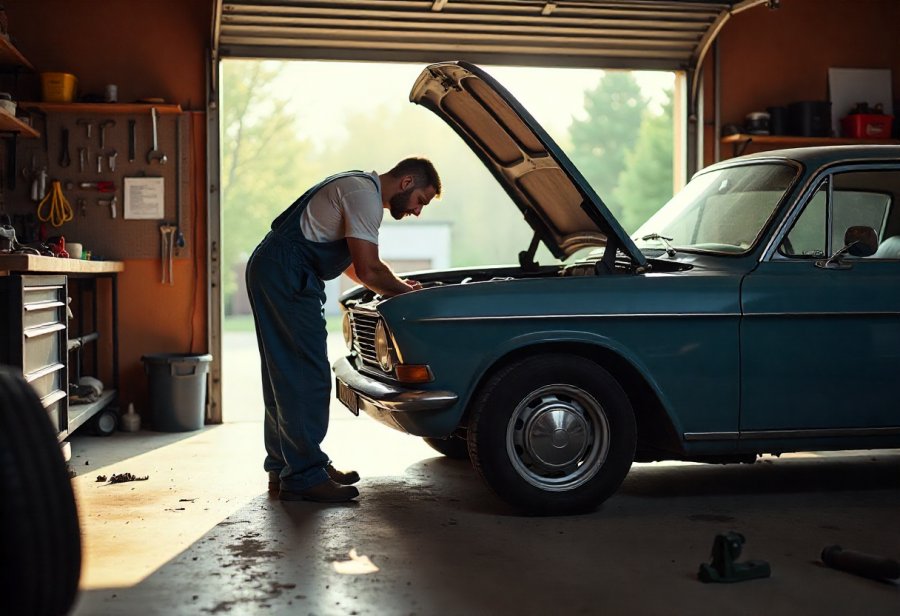
Transform Skills into Practical Projects
When applying restoration skills in real-world projects, careful planning is the first step. Hobbyists and professionals alike start by studying blueprints, reference photos, or original specifications to understand how each part fits together. This preparatory work helps avoid costly mistakes later and keeps the project manageable. Clear goals for each phase turn complex tasks into achievable steps, making the process feel less overwhelming and more organized.
Once the planning is set, hands-on work begins. Restorers use their toolkit—welding, metalworking, engine tuning, and bodywork—to tackle each challenge. Flexibility is essential; if a frame rots through, reinforcement or fabrication is needed. Worn-out engines might require rebuilding or replacement, often involving a mix of traditional techniques and modern tools like 3D printers or advanced cleaning methods. This blend of old and new techniques ensures the project stays authentic while benefiting from efficiency.
Troubleshooting is a constant companion. Projects rarely go perfectly, and unexpected issues—hidden rust, damaged wiring, or internal wear—often emerge. Skilled restorers stay calm and adapt, seeking creative solutions to keep progress on track. Fabricating a missing part or tuning an engine becomes a puzzle that sharpens problem-solving skills and keeps motivation high. This ability to improvise often determines whether a project reaches completion or stalls.
Documentation plays a crucial role. Many keep detailed notes and photos during disassembly, which makes reassembling easier and helps prevent overlooking small but vital details. Sharing progress online or with fellow enthusiasts provides feedback and encouragement, transforming a solitary task into a collaborative effort. Engaging with a community broadens perspectives and offers new ideas, making the process more educational and enjoyable.
Applying restoration skills requires patience and persistence. Each step—whether fitting a panel more precisely or fine-tuning an engine—teaches something new. Balancing authenticity with practicality involves tough decisions about sourcing original parts or upgrading for better reliability. These choices shape the machine’s final appearance and performance, reflecting the restorer’s priorities and craftsmanship.
Workspace organization and tool maintenance are vital for efficiency and safety. A tidy, well-stocked garage minimizes errors and reduces frustration. Every small victory, like fixing a stubborn electrical issue or restoring a shiny paint finish, builds confidence and deepens the connection to the craft. These moments of success drive enthusiasts to push further and refine their skills.
Ultimately, transforming knowledge into action in the garage is about respecting the machine’s history while making smart improvements. It’s a process rooted in passion, patience, and a love for craftsmanship. Each project becomes a personal story, blending tradition with innovation. This hands-on approach keeps the spirit of restoration alive, turning every challenge into an opportunity for growth and mastery.
Expert Advice for Aspiring Restorers
Seasoned mechanics and experienced restorers often emphasize that patience and careful planning are the cornerstones of successful garage projects. Starting small and mastering basic techniques builds confidence, setting a strong foundation for tackling more complex tasks later. An organized workspace and high-quality tools are investments that pay off by reducing frustration and increasing safety, making the whole process smoother and more enjoyable.
Attention to detail and consistency separate skilled restorers from amateurs. Developing habits like documenting each step—through photos, notes, or sketches—ensures nothing gets overlooked and helps avoid costly mistakes during reassembly. Keeping tools sharp, work surfaces clean, and parts properly labeled isn’t just about efficiency; it’s about precision and safety, creating a workflow that leads to better results.
Safety cannot be overlooked. Experienced restorers wear protective gear—gloves, goggles, respirators—and work in well-ventilated areas, respecting safety protocols at every stage. Recognizing one’s limits and knowing when to ask for help prevents accidents and preserves valuable parts. This safety-first mindset fosters a workspace where craftsmanship and well-being go hand in hand.
Sharing knowledge through online forums, local clubs, or mentorship programs keeps skills sharp and the craft vibrant. Learning from others’ experiences provides practical advice, troubleshooting tips, and fresh perspectives that can save time and prevent errors. These communities also foster inspiration and innovation, helping restorers stay motivated and eager to refine their craft.
Problem-solving is a vital skill that develops over time. The best restorers approach setbacks calmly, assessing the situation carefully before forcing a fix. Creative thinking often turns potential stalls into opportunities for innovation—fabricating missing parts or finding new approaches keeps projects moving forward and enhances learning.
Patience and curiosity drive continual growth. Restorers see each project as a chance to learn something new, whether it’s a better welding technique or a more efficient way to troubleshoot electrical issues. Embracing mistakes as part of the process helps maintain motivation and deepens mastery, ensuring that the garage remains a space of ongoing development and passion.
Finally, the balance between tradition and innovation keeps the craft alive. While digital tools and modern techniques revolutionize certain aspects, foundational skills like welding, metalworking, and engine tuning continue to be essential. Combining the old with the new allows restorers to respect authenticity while embracing efficiency, ensuring that the love for craftsmanship endures and evolves.
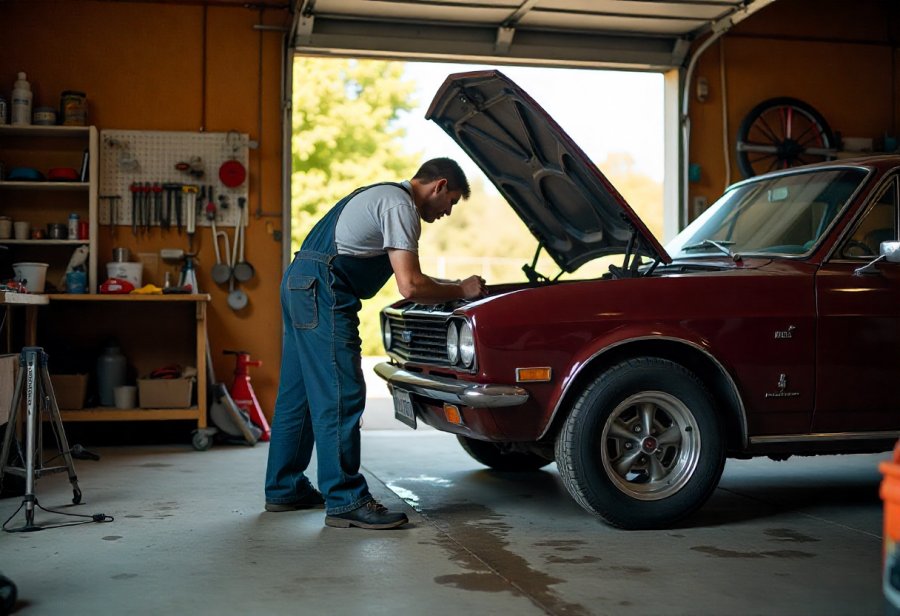
Embrace Future Trends in Garage Restoration
As garage restoration continues to evolve, new tools and technologies are reshaping how backyard mechanics approach their projects. Innovations like 3D printing and advanced diagnostic equipment now allow enthusiasts to create custom parts and identify issues with remarkable precision. These advancements cut down on time and open doors to more authentic restorations, blending traditional craftsmanship with modern efficiency. Meanwhile, a growing focus on sustainability encourages restorers to reuse, repurpose, and upgrade parts whenever possible, reducing waste and aligning with eco-conscious values.
Community remains at the heart of this craft’s future. Online forums, social media groups, and local clubs foster a collaborative spirit where knowledge, tips, and inspiration flow freely. Sharing progress and troubleshooting collectively keeps the passion alive and sparks innovation. This network of enthusiasts not only accelerates learning but also inspires fresh ideas, pushing the boundaries of what’s possible in a backyard garage.
While digital tools are transforming the process, core skills like welding, metalworking, and engine tuning stay vital. The best restorers combine these time-honored techniques with new technology, creating a balanced approach that respects tradition while embracing progress. This synergy ensures that authenticity and craftsmanship remain central to the hobby, even as efficiency and precision improve.
Looking ahead, virtual resources such as augmented reality tutorials and online workshops are making expert knowledge more accessible than ever. These tools help hobbyists learn new skills, troubleshoot complex problems, and connect across distances, turning the garage into a hub of continuous learning. The integration of digital and physical craftsmanship promises to deepen expertise and expand the community of restorers.
Despite technological leaps, the essence of garage restoration remains rooted in patience and passion. The joy of transforming a rusted shell into a shining relic is timeless and deeply rewarding. Each project becomes a story of dedication, skill, and love for machines—an act of preservation that transcends generations.
As more enthusiasts embrace these innovations and community-driven sharing, the culture of garage restoration grows more inclusive and dynamic. The focus on sustainability, combined with technological progress, fosters a respectful yet forward-looking craft. This harmony between old and new keeps restoration relevant, inspiring new generations to pick up the wrench and carry on the legacy.
The future promises a space where tradition and technology coexist seamlessly, each enhancing the other. Every project is an opportunity to deepen skills, express creativity, and connect with a community that values craftsmanship as much as innovation. The garage remains a sanctuary of passion, a place where history is preserved, skills are honed, and the love for machines continues to thrive.