




As winter approaches, the true risks of neglecting professional HVAC maintenance become alarmingly clear. Many homeowners and businesses delay routine service, hoping minor issues will resolve themselves, but this reactive mindset can lead to dangerous safety hazards like carbon monoxide leaks or system failures when warmth is most critical. Regular inspections by trained technicians don’t just prevent emergencies—they extend equipment lifespan, improve efficiency, and safeguard indoor air quality. Are we undervaluing the power of proactive care to protect our comfort and safety year-round? The contrast between those who prioritize preventative maintenance and those who don’t can mean the difference between a warm, safe environment and costly, disruptive breakdowns in the dead of winter. Investing in professional HVAC services isn’t just a matter of comfort; it’s a crucial safeguard against unseen dangers, unexpected expenses, and unnecessary suffering when the coldest nights arrive.
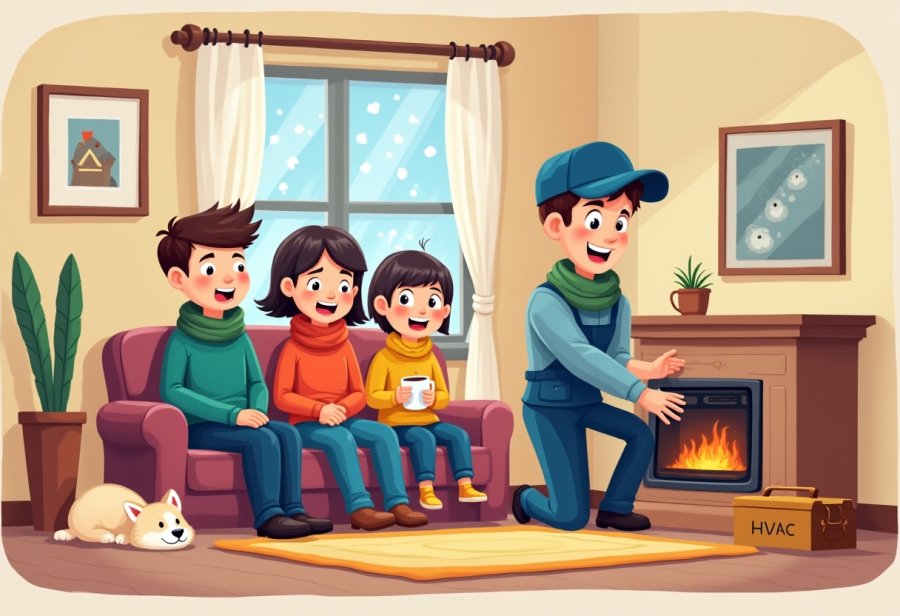
Why Proactive HVAC Maintenance Is Essential for Winter Comfort and Safety
As winter nears, the importance of a well-maintained HVAC system becomes impossible to ignore. These systems are the unseen backbone of indoor comfort, quietly working behind the scenes to keep our homes warm and air clean when the cold bites outside. Yet, despite their critical role, many of us delay routine maintenance, often waiting until something breaks before calling in a professional. This reactive approach can turn small issues into major emergencies when reliable heat is most needed.
Handling HVAC problems on your own might seem tempting—changing filters, cleaning vents—but these small steps rarely catch underlying issues like duct leaks or worn-out components that worsen over time. Skipping regular professional inspections might save a little upfront, but it often leads to higher costs later, including emergency repairs, safety hazards, and inflated energy bills. The true risk isn’t just about inconvenience; it’s about safety and peace of mind.
Systems that aren’t properly maintained can pose serious dangers, especially during winter. Carbon monoxide leaks, electrical faults, and system failures become more likely if issues go unnoticed. When the temperature drops and your system is pushed to its limits, neglect can quickly turn into a safety crisis. Regular check-ups by licensed technicians help identify these hazards early, preventing dangerous situations from developing unnoticed.
Beyond safety, proper HVAC maintenance extends the lifespan of your equipment. Well-kept systems operate more efficiently, consume less energy, and last longer, making them a smart investment. Routine service also ensures your indoor environment remains comfortable and safe, avoiding the discomfort and health risks associated with malfunctioning heating systems.
The core question isn’t just about saving money; it’s about understanding the real value of proactive care. Neglecting professional HVAC services might seem like a way to cut costs, but it often results in much higher expenses down the line—unexpected breakdowns, safety issues, and premature replacements. Recognizing the benefits of regular maintenance shifts the focus from reactive fixes to preventative care, saving you trouble and expense in the long run.
Ultimately, HVAC systems are more than just appliances—they’re vital for safety, health, and comfort. Investing in professional services isn’t just about fixing problems; it’s about safeguarding your home, your loved ones, and your peace of mind through the harshest winter days. Moving from neglect to proactive maintenance isn’t just wise; it’s essential for everyone who values safety and comfort at home.
Understanding HVAC Systems: The Foundation of Indoor Climate Control
HVAC systems are the backbone of indoor climate control, blending heating, ventilation, and air conditioning to create comfortable and safe environments. These systems include key components such as furnaces, boilers, air conditioners, heat pumps, ductwork, filters, and thermostats. Their complexity varies widely—from simple setups in small homes to sophisticated, multi-zone systems in large commercial buildings. Understanding how these parts work together helps explain why regular maintenance is so essential.
The primary role of HVAC units is to regulate temperature while ensuring good indoor air quality. Furnaces and boilers generate heat, while air conditioners and heat pumps handle cooling. Ductwork distributes this conditioned air throughout the space, and filters remove dust, allergens, and pollutants. Thermostats act as the control center, allowing users to set preferred temperatures and ensuring systems operate efficiently. Because these components are interconnected, even small issues in one part can impact the entire system’s performance and safety.
Regular maintenance keeps HVAC systems running smoothly and prevents problems from escalating. When equipment is properly cared for, it operates more efficiently, which leads to lower energy bills and less wear and tear. Well-maintained systems also last longer, delaying costly replacements. More importantly, routine inspections by trained technicians can identify safety hazards—such as carbon monoxide leaks or electrical faults—before they turn into emergencies. This proactive approach is especially vital during winter when systems are under increased strain and safety risks rise.
Many homeowners and business owners underestimate the complexity of their HVAC systems. Simple DIY efforts like changing filters or cleaning vents can help, but they aren’t enough to detect hidden issues. Professional technicians bring diagnostic tools and expertise that enable thorough inspections, tune-ups, and repairs. Their work ensures systems function safely and efficiently, giving peace of mind during the coldest months when reliable heat is critical.
Advancements in HVAC technology continue to improve system performance. Modern units incorporate sensors that detect airflow problems or refrigerant leaks early, allowing for proactive maintenance. Smart thermostats enable remote control and fine-tuning of indoor climates, helping optimize energy use. Staying up-to-date with these innovations underscores the importance of professional service providers who can maintain system safety and efficiency.
This perspective is expanded in Vance Nolan‘s article Transform Your Indoor Comfort with Advanced HVAC Safety and Efficiency on Fantasy Quest Pro.
In essence, understanding how HVAC systems operate highlights why neglecting routine care can be risky. These machines are complex, and minor issues can escalate into dangerous or costly failures. Regular professional maintenance not only ensures comfort but also protects your home or business, especially during winter when dependable heating is non-negotiable. Proper care and timely repairs are investments that safeguard safety, extend equipment life, and promote ongoing efficiency.
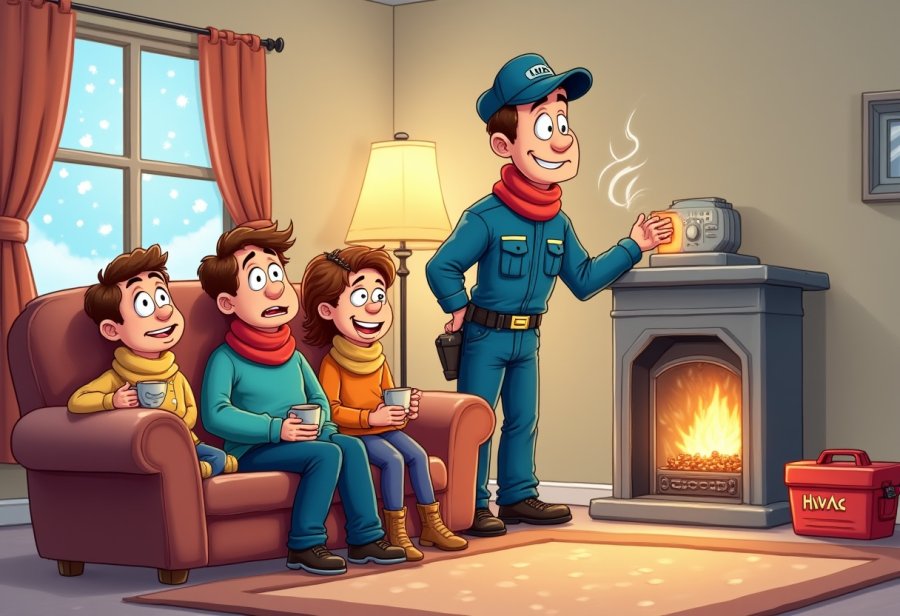
Current Habits: How Most Ignore Routine HVAC Care
Most households and businesses tend to take a reactive stance when it comes to HVAC maintenance. Instead of scheduling regular check-ups, many wait until the system fails, often during the coldest nights when reliable heat is most critical. This approach means problems that could have been addressed early slip through the cracks, leading to sudden breakdowns that disrupt comfort and safety. When systems malfunction unexpectedly, property owners are left scrambling for emergency repairs, which are typically more expensive and disruptive than routine maintenance.
Some people attempt minor fixes themselves, like changing filters or cleaning vents. While these small actions can help, they rarely address underlying issues—such as duct leaks or worn components—that quietly degrade system performance over time. Many underestimate how complex their HVAC systems are, assuming that simple DIY tasks are enough to keep everything running smoothly. As a result, hidden problems continue to develop unnoticed, often worsening until they cause a major failure.
During winter, neglect becomes even more apparent. Cold weather puts extra strain on heating units, and systems that haven’t been properly maintained struggle to keep up. Signs of trouble—like uneven heating, strange noises, or sudden shutdowns—are often ignored or postponed, with many hoping the issues will resolve themselves. Unfortunately, these small problems tend to escalate, culminating in complete breakdowns at the worst possible moments, leaving homes and businesses unprepared and vulnerable.
Data consistently shows that many HVAC failures during winter could be prevented through regular inspections and maintenance. Yet, most property owners still overlook scheduled service, opting instead for quick fixes or ignoring warning signs altogether. This neglect not only increases safety risks, such as carbon monoxide leaks, but also results in higher energy bills due to inefficient operation. As systems become more strained, emergency repairs and replacements become more frequent and costly, making neglect a risky gamble.
Many believe that skipping professional maintenance saves money, but this misses the bigger picture. Small issues like clogged filters or refrigerant leaks might seem minor now, but if ignored, they can lead to costly failures, safety hazards, and shortened equipment lifespan. When HVAC systems aren’t properly maintained, they work harder—consuming more energy and increasing bills—while the risk of dangerous malfunctions rises sharply.
For another take on this topic, see Ike Collins‘s article Why Regular HVAC Maintenance Ensures Year-Round Safety and Comfort on Peter's Classic Musings.
The current trend shows a clear gap: property owners often underestimate the importance of routine HVAC care. Many don’t realize that neglect can turn small problems into safety hazards or expensive emergencies. Recognizing the value of proactive maintenance shifts the focus from reactive repairs to preventative care, which ultimately saves money, extends equipment life, and ensures reliable comfort during the coldest months. Making that shift is essential for safeguarding health, safety, and peace of mind in winter.
The Financial Wisdom of Regular HVAC Service: Saving Money and Ensuring Safety
Investing in professional HVAC services may seem like an added expense, but it’s a smart move that pays off over time. Routine maintenance and timely repairs help prevent costly breakdowns—especially during winter, when reliable heat is essential. Regular inspections keep systems running efficiently, leading to noticeable savings on energy bills each month. By catching small issues early, you avoid the big expenses that come with emergency repairs or full system replacements.
Neglecting HVAC maintenance often results in higher repair costs and a shorter equipment lifespan. What might seem like minor problems—such as clogged filters or refrigerant leaks—can quickly escalate into safety hazards or complete system failures if ignored. During cold weather, these issues can leave you without heat or cause dangerous malfunctions, making emergency fixes more expensive and disruptive. Investing in routine service prevents these surprises and keeps your system dependable.
Ensure Year-Round Comfort with Expert HVAC Maintenance offers a complementary viewpoint from Ivy Perez on Pancake Pad.
Proper maintenance isn’t just about avoiding emergencies; it also improves energy efficiency. An optimized system consumes less power, which translates into lower utility bills. Over time, this can significantly reduce operating costs, making regular servicing a cost-effective choice. Additionally, well-maintained equipment lasts longer, delaying the need for costly replacements and preserving your initial investment.
Safety is a key reason to prioritize professional HVAC care. Systems that aren’t properly inspected can develop hazards like carbon monoxide leaks or electrical faults. Regular check-ups by licensed technicians help identify and fix these issues early, protecting everyone inside your home or business. During winter, when your system is working at maximum capacity, these safety checks become even more critical.
DIY efforts, such as changing filters or cleaning vents, aren’t enough to catch hidden problems. Without specialized diagnostic tools and expertise, many issues remain undetected until they cause a major failure. Professional HVAC technicians bring the skills and equipment needed to thoroughly evaluate your system, providing peace of mind that your indoor environment is safe and comfortable.
While routine maintenance involves an upfront cost, it’s an investment that saves money in the long run. It reduces the risk of expensive emergency repairs, extends system longevity, and ensures safety—advantages that far outweigh the initial expense. Budgeting for regular service contracts creates a proactive approach, protecting your home or business from winter’s harshest effects and unexpected expenses.
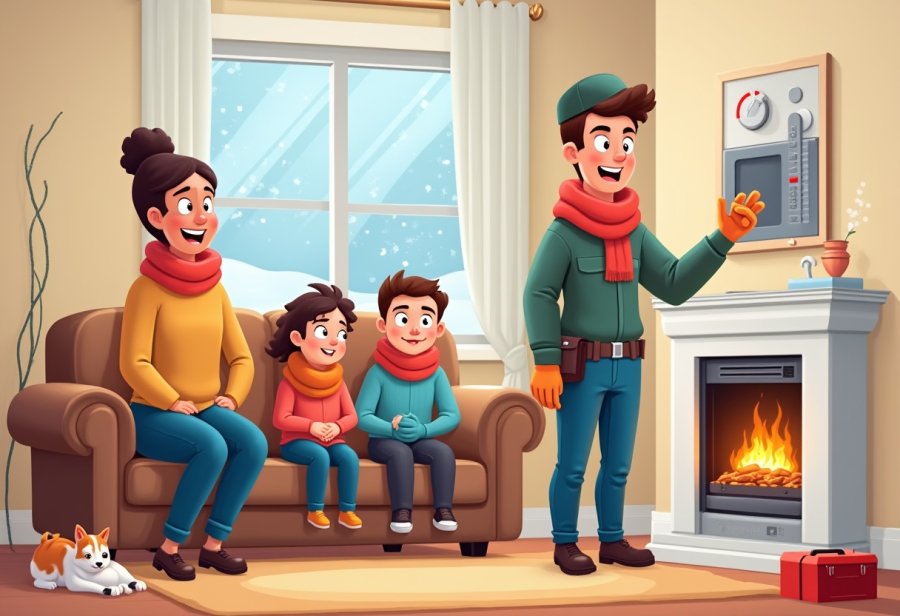
Real-Life Consequences: How Maintenance or Neglect Affects Daily Life and Safety
Neglecting regular HVAC maintenance can turn a cold winter morning into a stressful ordeal. Imagine waking up to find your heating system has failed overnight, leaving your home freezing and unprepared for the day ahead. Without routine checks, small issues like a clogged filter or a minor refrigerant leak can quietly worsen over time, culminating in sudden, costly breakdowns when you need heat the most. These emergency repairs often come with inflated prices and extended disruptions, forcing families to bundle up and wait for technicians to arrive.
On the other hand, households that prioritize regular maintenance often enjoy consistent warmth and cleaner indoor air. For example, homeowners who schedule seasonal check-ups can catch small problems early—like worn-out parts or buildup in the ductwork—before they develop into full-blown failures. This proactive approach ensures that their systems run smoothly through the coldest nights, providing peace of mind and uninterrupted comfort. It’s a simple step that makes a significant difference when winter’s chill is at its peak.
Proper HVAC care isn’t just about keeping warm; it’s also about protecting vulnerable family members. Children and seniors are especially at risk when heating systems malfunction unexpectedly. A neglected system can lead to unsafe conditions, such as carbon monoxide leaks or electrical faults, which pose serious health hazards. Conversely, a well-maintained system offers a safe, stable environment, ensuring that everyone inside stays warm and protected from hidden dangers.
For businesses, the stakes are equally critical. An office or retail space without reliable climate control can face reduced productivity, unhappy customers, and even safety issues. Imagine a store that experiences uneven heating or sudden shutdowns during a busy shopping weekend—disrupting operations and damaging reputation. Regular maintenance keeps heating and cooling systems in top shape, preventing such disruptions and maintaining a safe, comfortable environment for employees and customers alike.
Ignoring HVAC upkeep can also lead to higher energy bills. When filters are clogged or components are worn, systems work harder to compensate, consuming more power and driving up costs. Over time, this inefficiency not only wastes money but also accelerates equipment wear, shortening its lifespan. Conversely, a properly maintained system operates more efficiently, saving money month after month and extending the life of your investment.
In essence, how we treat our HVAC systems directly impacts daily comfort, health, and safety. Routine maintenance acts as a safeguard—preventing small problems from snowballing into emergencies, protecting vulnerable populations, and ensuring that our indoor environments remain safe and cozy during winter’s harshest days. Neglect might seem like a quick fix at first, but the true cost is paid in comfort, safety, and peace of mind.