




Cleopatra VII is often remembered through myths of beauty and romantic liaisons, but her true legacy lies in her unmatched intellect, diplomatic prowess, and strategic vision. Could a ruler’s power be rooted not in allure, but in wit and political mastery? This revolutionary perspective highlights her multilingual abilities, keen understanding of internal court rivalries, and shrewd alliances with Rome’s Julius Caesar and Mark Antony—not driven by vanity, but by necessity. Cleopatra’s leadership was characterized by cultural diplomacy, patronage of knowledge, and resilience amid external threats. Her dual role as a Greek-descended monarch and a traditional Egyptian pharaoh helped her legitimize her rule across diverse factions. Far from a fleeting seductress, she was a pioneering figure who harnessed intelligence, resilience, and influence to carve a lasting legacy—challenging stereotypes and demonstrating that true power resides in the strategic mind. Her story is a compelling testament to the enduring strength of wisdom and adaptability in leadership.
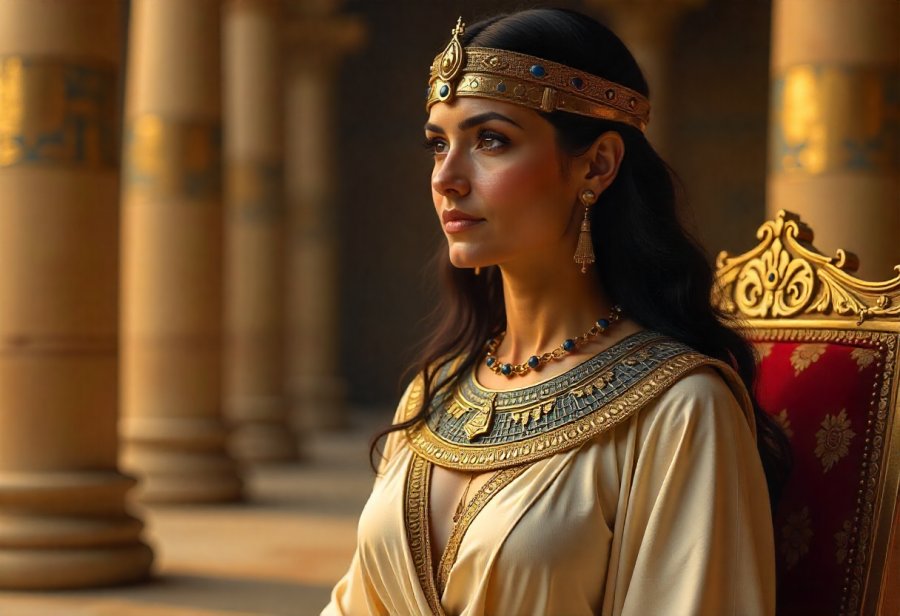
Cleopatra’s True Power Lies in Her Mind and Diplomacy
Cleopatra VII is often remembered through stories that emphasize her beauty and romantic liaisons, but her real strength went far beyond appearances. She was a sharp, strategic thinker who understood that true power came from intelligence, diplomacy, and adaptability. Her reign was characterized not just by her charisma but by her mastery of statecraft—navigating a complex world full of rival factions and external threats with resilience and cunning.
As the last active ruler of Egypt, Cleopatra’s legacy has often been overshadowed by myths and Hollywood portrayals. Yet, her influence was rooted in her keen intellect and political skill. She was fluent in multiple languages, including Egyptian, Greek, and Latin, which allowed her to communicate directly with a diverse array of allies and enemies. This linguistic versatility was a vital tool, enabling her to craft persuasive arguments, negotiate treaties, and gather crucial intelligence—skills that helped her maintain Egypt’s independence in a turbulent era.
Her leadership was more than just personal charm; it was a calculated effort to position Egypt as a powerful and respected player on the world stage. Cleopatra formed strategic alliances with Rome’s most influential figures, Julius Caesar and Mark Antony, not out of vanity but from necessity. These relationships were carefully managed, based on mutual benefit and political calculation, helping her to safeguard her kingdom amid Rome’s expanding reach. Her ability to leverage diplomacy was as vital as any military maneuver.
Behind her regal image was a ruler deeply committed to knowledge. Cleopatra patronized the Library of Alexandria and pursued her own scholarly interests, reflecting her belief that wisdom was a key tool for leadership. She saw education as a means to strengthen her rule, foster loyalty, and stay ahead of rivals. Her intellect was a weapon in its own right, shaping her decisions and her reputation as a ruler who valued learning and cultural exchange.
Her story is one of resilience and strategic thinking. Faced with internal struggles—rival factions and family disputes—and external pressures from Rome’s growing power, Cleopatra responded with wit, diplomacy, and decisive action. Her ability to adapt and pivot kept her on the throne longer than many expected, proving that leadership in her time depended just as much on mental agility as on military strength.
This focus on her intelligence and political mastery shifts the narrative away from superficial images and highlights her as a pioneering female ruler who relied on her mind as her greatest asset. Cleopatra’s legacy demonstrates that influence stems from strategic foresight, cultural diplomacy, and resilience—lessons that resonate even today. By understanding her true strengths, we see her not merely as a seductive figure but as a formidable leader whose mastery of influence and knowledge left a lasting mark on history.
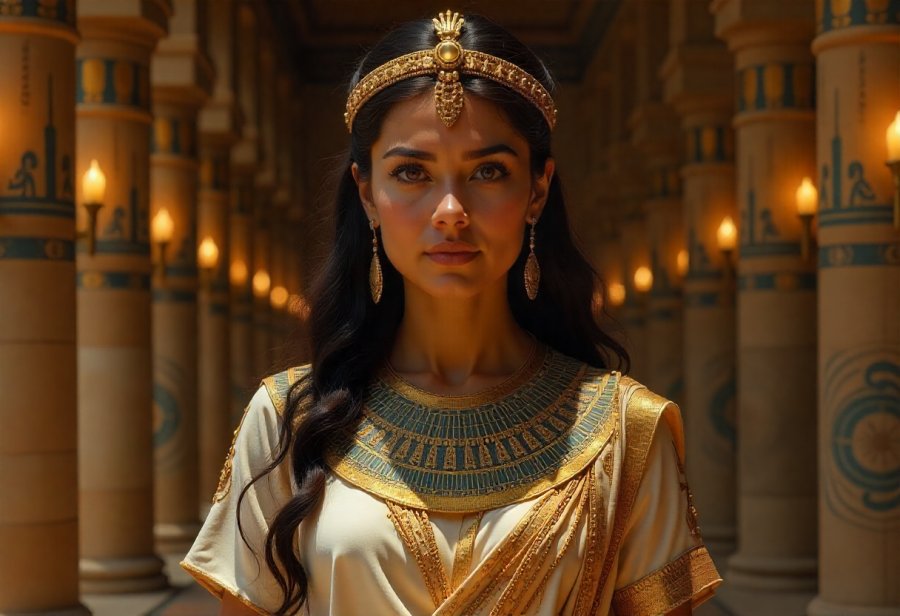
Her Roots and Rise: Navigating Egypt’s Political Turmoil and Roman Shadows
Cleopatra VII was born into the Ptolemaic dynasty, a Greek royal family that took control of Egypt following Alexander the Great’s empire fragmentation. Her ancestors, Macedonian Greeks, maintained their cultural traditions while ruling over a land deeply rooted in Egyptian customs and religion. From a young age, Cleopatra was immersed in a world of learning, mastering multiple languages—including Egyptian, Greek, and Latin—and studying the arts of politics, diplomacy, and governance. This education prepared her for the intricate and often volatile task of ruling a nation caught between diverse cultural identities and shifting loyalties.
Her rise to power occurred amid internal instability and external threats. Egypt was plagued by rival factions, court intrigue, and family disputes, making stability elusive. Cleopatra inherited a fragile throne, with factions loyal to her family vying for influence. Navigating these rivalries required sharp political insight and strategic finesse. She quickly learned to consolidate her authority through careful alliances and decisive actions, setting the foundation for her long reign. Her early efforts demonstrated a keen ability to respond swiftly to threats and to position herself as a capable and resilient leader.
Externally, the expanding influence of Rome loomed large over Egypt’s sovereignty. As Roman power edged closer to Egyptian borders, Cleopatra recognized that diplomacy and strategic alliances were essential for survival. Her relationships with Julius Caesar and Mark Antony were not born of personal vanity but were calculated moves designed to protect her kingdom. These alliances allowed her to leverage Rome’s political landscape, securing Egypt’s independence while maintaining her influence. Her diplomatic skills proved as vital as military strength in navigating this complex geopolitical environment.
Her lineage and upbringing also shaped her leadership style. As a descendant of Macedonian Greek rulers who had governed Egypt for generations, Cleopatra embodied a blend of Greek political traditions and Egyptian religious legitimacy. She positioned herself as both a Hellenistic monarch and a traditional Egyptian pharaoh, participating in religious ceremonies and adopting symbols of divine authority. This dual identity helped her rally support across diverse factions within her kingdom and beyond, reinforcing her legitimacy in a time when divine right was essential for stability.
Growing up in the royal court, Cleopatra was trained to be an astute observer of political shifts and regional diplomacy. Her education emphasized governance, military strategy, arts, and sciences, fostering a broad intellectual foundation. Her fluency in multiple languages—Egyptian, Greek, and Latin—enabled her to communicate directly with foreign diplomats and scholars, reducing misunderstandings and enhancing her diplomatic influence. This linguistic skill was a strategic asset, allowing her to craft persuasive negotiations, forge alliances, and gather intelligence that kept her steps ahead of her rivals.
Her early years showcased her political resilience and strategic acumen. After her father, Ptolemy XII, died, Cleopatra acted swiftly to secure her throne, outmaneuvering rivals and rallying key supporters. Her alliance with her younger brother Ptolemy XIII was a calculated move, but internal conflicts soon challenged her authority. She responded with a mix of charm, wit, and decisive action, demonstrating her capacity to adapt and respond to threats. Early on, her ability to consolidate power and respond swiftly to adversity established her as a formidable ruler destined to leave a lasting mark on history.
Master of Influence: Cleopatra’s Strategic Alliances and Leadership Tactics
Cleopatra’s leadership was defined by her exceptional ability to craft and maintain power in a highly unstable political landscape. She understood that authority in her era wasn’t just about military strength; it was about a nuanced mix of diplomacy, cultural influence, and strategic alliances. She was a master at reading her opponents and allies alike, often turning potential threats into opportunities to strengthen her position. Her diplomatic skills extended beyond simple negotiations—she knew how to project strength through subtle gestures, language, and cultural diplomacy, which made her a formidable figure both within Egypt and across the Mediterranean.
Forming alliances was central to her strategy. Her relationships with Julius Caesar and Mark Antony weren’t driven solely by personal affection but by calculated political moves aimed at securing her kingdom’s independence. Cleopatra used marriage, shared interests, and mutual benefit as tools to solidify these alliances. She understood that power was as much about perception as it was about reality; by aligning herself with Rome’s most influential figures, she placed Egypt at the heart of the imperial game. These alliances gave her leverage, allowing her to influence Roman politics and keep her kingdom out of direct conquest.
Her multilingual abilities played a key role in her diplomatic finesse. Fluent in Egyptian, Greek, and Latin, Cleopatra could speak directly to her counterparts without relying on interpreters, reducing misunderstandings and strengthening bonds. This linguistic skill was more than a mere party trick; it was a strategic advantage that allowed her to craft persuasive arguments, negotiate treaties, and gather intelligence with precision. Her scholarly pursuits and patronage of the arts and sciences reinforced her image as a ruler committed to knowledge—an image that commanded respect and loyalty from her court and allies alike.
Navigating internal court rivalries was another critical aspect of her leadership. Cleopatra faced factions loyal to her family and rivals eager to seize power. She managed these internal disputes with a combination of charm, wit, and decisive action. Her early move to co-rule with her brother Ptolemy XIII was a calculated attempt to consolidate her authority, but she quickly demonstrated that her leadership was rooted in strength and strategic planning. When internal opposition arose, she responded with political savvy and, when necessary, firm measures to secure her position, showing resilience in the face of internal threats.
Externally, the growing power of Rome posed a constant threat to Egypt’s sovereignty. Cleopatra’s diplomatic acumen was crucial in managing this challenge. Her alliances with Julius Caesar and Mark Antony were not only about bolstering her own power—they were designed to stabilize Egypt’s position and prevent Roman domination. She was adept at balancing her relationships, knowing when to negotiate, when to assert her authority, and when to adapt her tactics. Her ability to shift strategies based on changing circumstances kept her one step ahead of her enemies and helped preserve Egypt’s independence longer than many expected.
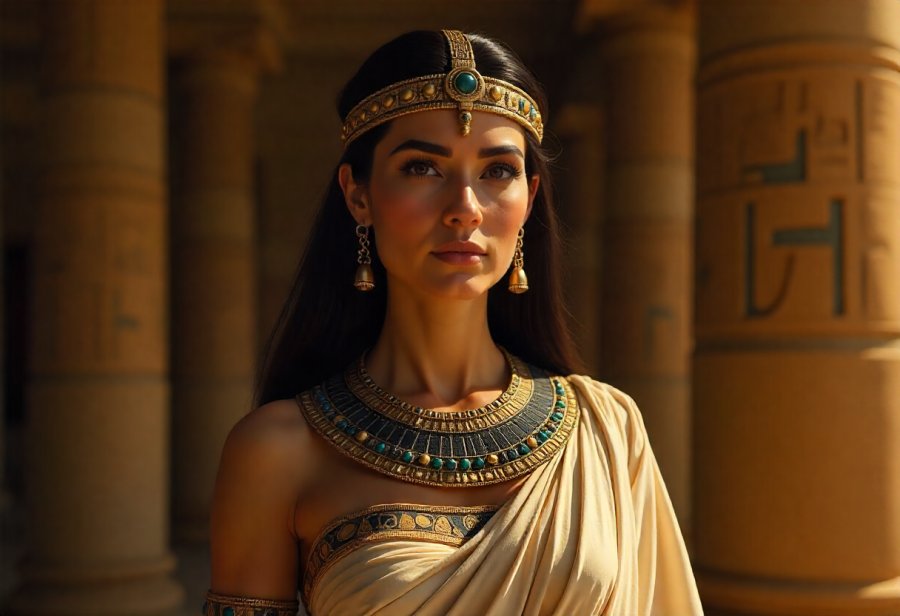
Redefining Legacy: How Intelligence and Diplomacy Shaped Cleopatra’s Enduring Reign
Cleopatra’s reputation has long been shaped by stories emphasizing her beauty and romantic liaisons, but today’s scholarship paints a far richer picture. Her true legacy lies in her remarkable intellect and political skill, which allowed her to navigate one of the most turbulent periods in ancient history. She understood that influence and power stemmed from knowledge, cultural diplomacy, and strategic foresight, not just personal charm or allure.
Her relationships with Julius Caesar and Mark Antony are now recognized as carefully calculated moves designed to secure Egypt’s independence and strengthen her position. Cleopatra used these alliances not out of vanity, but as tools of diplomacy—leveraging mutual interests and political benefit. Her ability to sway these powerful Roman figures demonstrated her mastery of influence, shaping perceptions and swaying key decisions through language, symbolism, and cultural understanding.
Beyond her diplomatic finesse, Cleopatra’s deep grasp of her cultural environment played a pivotal role in shaping her legacy. She portrayed herself as both a Greek-descended monarch and a true Egyptian pharaoh, participating in religious rituals and adopting symbols of divine authority. This dual identity helped her rally support from diverse factions within Egypt and project legitimacy on the international stage, blending tradition with innovation to reinforce her rule.
Her patronage of learning and her personal scholarly pursuits further cement her image as a ruler who valued wisdom. Supporting the Library of Alexandria and engaging with scholars reflected her belief that knowledge was a vital tool for governance. This intellectual foundation enabled her to anticipate political shifts, craft persuasive strategies, and respond swiftly to crises—qualities that kept her ahead of rivals and enemies.
Cleopatra’s leadership exemplifies resilience and strategic thinking. She faced internal court rivalries, family disputes, and the expanding influence of Rome with a combination of wit, diplomacy, and decisive action. Her ability to adapt her tactics and respond effectively to complex challenges extended her reign far longer than many expected, proving that mental agility often outranks brute force in leadership.
Her legacy continues to influence how we view female power. Once stereotyped as merely seductive, she is now celebrated as a pioneering figure who mastered the art of political influence through intelligence and cultural diplomacy. Cleopatra showed that leadership rooted in wisdom, resilience, and strategic vision can leave an indelible mark—lessons that resonate today in a world still shaped by diplomacy and influence.
In popular culture, her image has evolved from that of a romantic icon to a symbol of intellectual strength and political mastery. Modern portrayals emphasize her role as a shrewd diplomat and a visionary leader who understood the importance of knowledge, cultural exchange, and strategic patience. Her story challenges stereotypes and highlights that true power often resides in the capacity to think ahead and adapt.
Ultimately, Cleopatra’s story underscores the importance of influence built on insight and resilience rather than superficial allure. Her mastery of diplomacy and her unwavering pursuit of knowledge transformed her into a formidable leader whose legacy endures in lessons about the power of the mind. Her life reminds us that true leadership involves foresight, adaptability, and a deep understanding of human nature—traits that define her enduring place in history.