




In an era where fast, reliable communication is the backbone of business success, the myth of one-size-fits-all solutions falls apart. Customizable telephony systems, exemplified by Grandstream’s innovative devices, promise tailored workflows, seamless scalability, and enhanced efficiency. But can your organization truly leverage this flexibility to outpace competitors? By integrating IP-based voice systems with industry standards like SIP and QoS, businesses gain high-quality, adaptable networks that evolve with their needs. Grandstream’s cloud-managed endpoints streamline deployment, reduce management overhead, and support future innovations like AI-driven call routing. The question remains: will your communication infrastructure become a strategic asset or an obstacle to growth? Embracing personalized solutions isn’t just a technical upgrade—it’s a vital step toward resilience and agility in a rapidly changing digital landscape. Discover how the right tools can transform your network into a powerful, future-proof communication hub.
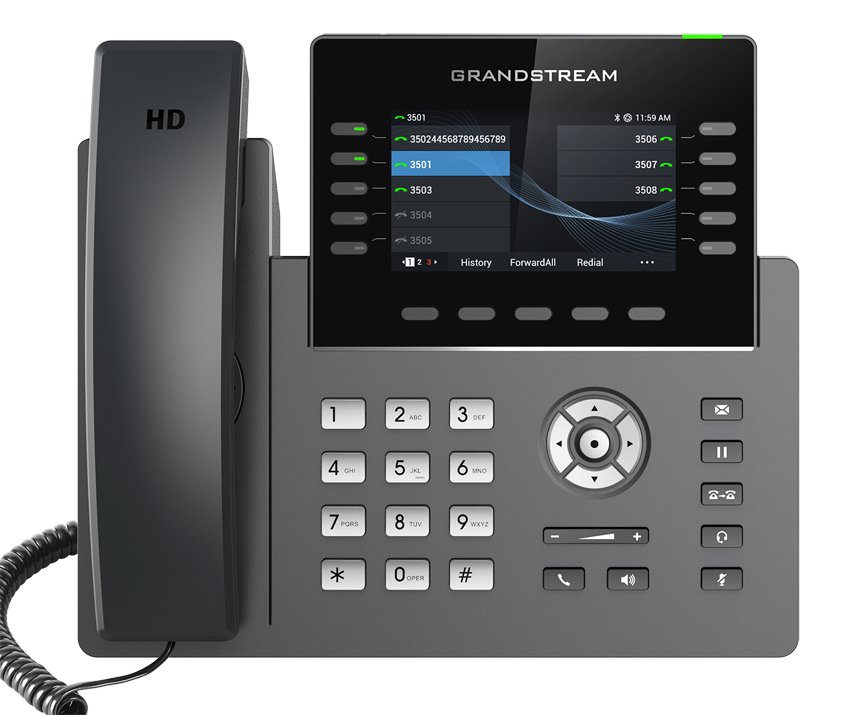
Unlock Your Business Potential with Customizable Telephony Systems
In today’s fast-moving business landscape, clear and reliable communication isn’t just a convenience—it’s a core necessity. Companies need systems that can adapt quickly and seamlessly to changing needs, rather than relying on rigid, one-size-fits-all solutions. That’s where customizable telephony systems come into play. These tailored setups enable organizations to craft communication networks that fit their unique workflows and growth strategies, boosting efficiency and minimizing frustrations caused by generic tools.
Customizable telephony isn’t merely about adding extra features. It’s about creating an integrated, intuitive experience that aligns perfectly with how your team works. Whether it’s setting up specific call routing, dedicating lines for different departments, or integrating contact directories, personalization ensures messages reach the right people at the right time. This targeted approach helps reduce response times, enhances professionalism, and makes daily communication smoother for everyone involved.
Flexibility is the key advantage of personalized telephony solutions. As your organization expands or shifts toward remote or hybrid working models, your communication infrastructure can evolve without requiring a complete overhaul. You can easily add new features, modify existing ones, or scale operations up or down, all while maintaining consistent quality and performance. This adaptability becomes a strategic asset, allowing your business to stay agile in an ever-changing digital environment.
Modern devices from providers like Grandstream exemplify this approach perfectly. Designed to integrate effortlessly into diverse network setups, these devices support a wide range of features and management options, including cloud-based control platforms. This means deploying new hardware or updating existing configurations can often be done remotely, saving time and reducing management overhead. The result is a faster, smoother setup process that gets your team communicating more effectively from day one.
Understanding the fundamentals behind these systems—such as IP-based voice transmission, industry standards like SIP, and network optimization protocols—helps organizations make smarter choices. Recognizing how these technologies work together allows for more tailored, reliable solutions that can grow with your business. It transforms a basic phone line into a strategic communication asset, capable of supporting current needs and future innovations like AI-powered call routing or real-time analytics.
In essence, adopting a customizable telephony system means investing in resilience and scalability. It’s about building a communication network that adapts to your business’s evolving demands, rather than forcing your operations to fit a rigid framework. As digital workflows continue to advance, having a flexible, standards-compliant system ensures you stay ahead of the curve, ready to implement new features or expand your network without disruption.
By choosing solutions that prioritize personalization and integration, you lay the foundation for more efficient, professional, and future-proof communication. In doing so, you empower your team to work more effectively, respond faster, and project a stronger presence to clients and partners—every call, every time.

Fundamental Concepts that Power Smarter Business Communication
Understanding the core ideas behind telephony and network optimization is essential for appreciating how customized solutions can truly transform business communication. Modern voice systems rely heavily on transmitting calls and data over IP networks, replacing traditional landlines with internet-based alternatives. This shift opens up new possibilities for flexibility, scalability, and integration that weren’t possible before. IP phones support features like video calls, softphone apps, and personalized contact directories, all of which streamline daily operations and enhance user experience.
Network performance is a critical factor in ensuring these IP-based systems work reliably. Without proper management, voice quality can suffer from delays, dropped calls, or poor audio clarity—especially during peak usage times. Protocols like SIP (Session Initiation Protocol) enable devices from different vendors to communicate seamlessly, creating a unified ecosystem. Quality of Service (QoS) protocols prioritize voice traffic over other data streams, ensuring that calls remain clear and professional even when the network is busy. Recognizing these standards helps organizations design networks that deliver consistent, high-quality communication.
Beyond hardware choices, customization involves tailoring features to fit specific organizational workflows. For example, implementing call routing rules that direct incoming calls to the appropriate departments instantly, or setting up voicemail options aligned with different roles, makes daily communication more intuitive. These adjustments reduce response times and eliminate confusion, allowing teams to focus on their core tasks. Instead of adapting to a rigid system, businesses mold their telephony environment to serve their unique processes, boosting overall efficiency.
The transition from traditional landlines to digital IP phones marks a significant leap forward. Analog systems were limited in features and difficult to scale, often forcing organizations into rigid setups. IP phones support multimedia capabilities and extensive customization options, providing a flexible foundation for modern communication needs. This transformation allows businesses to deploy scalable systems that grow with them—adding new features or expanding to new locations without overhauling infrastructure. Understanding this evolution is key to leveraging the full benefits of digital telephony.
Adhering to established industry standards such as SIP, RTP, and QoS ensures interoperability and high call quality across varied devices and networks. These protocols serve as the backbone of reliable VoIP systems, enabling organizations to mix and match hardware from different vendors confidently. When these norms are followed, networks become more resilient and adaptable, accommodating future upgrades and innovations without compatibility issues. This standards-based approach empowers businesses to build communication systems that are both dependable today and flexible enough for tomorrow’s technological advancements.
Optimizing network infrastructure involves more than just hardware; it’s about creating a resilient and adaptable environment. Proper network design, including bandwidth management and traffic prioritization, ensures voice calls are delivered with clarity and minimal latency. Regular monitoring and adjustments keep the system running smoothly, preventing issues before they impact communication. By integrating network management into the telephony strategy, organizations can maintain high performance even as demands increase or new features are added.
In essence, mastering these foundational concepts allows organizations to craft tailored telephony solutions that are reliable, scalable, and future-proof. Recognizing how protocols, hardware, and network design work together transforms a simple phone system into a strategic asset. This understanding ensures that your communication infrastructure not only meets current needs but also adapts seamlessly to ongoing digital transformation, keeping your team connected, efficient, and prepared for whatever comes next.
Elevate Your Network Efficiency with Grandstream’s Innovative Devices
Grandstream’s range of telephony devices plays a pivotal role in simplifying network deployment and boosting overall efficiency. Designed with ease of use in mind, their IP phones and endpoints enable quick setup, often through cloud-based management platforms like GDMS. This centralized control allows IT teams to remotely configure, provision, and monitor hundreds of devices simultaneously, saving valuable time and reducing the risk of manual errors. The streamlined deployment process means your team can get up and running faster, minimizing downtime and ensuring consistent communication from day one.
Supporting industry standards such as SIP and QoS, Grandstream devices ensure seamless interoperability across a wide variety of hardware and network environments. This compatibility not only simplifies integration but also provides a future-proof foundation for expanding or upgrading your communication system. Whether adding new endpoints or replacing outdated equipment, you can do so confidently, knowing that your devices will work together harmoniously, maintaining high-quality call performance even during peak network usage.
Scalability is built into Grandstream’s solutions, making them suitable for organizations of all sizes. Their popular GRP series IP phones, for example, are capable of supporting deployments ranging from small offices to large enterprises spread across multiple locations. With cloud management tools, administrators have centralized oversight, allowing for remote troubleshooting, updates, and configuration adjustments—eliminating the need for on-site visits. As your organization grows, your telephony infrastructure can expand smoothly, without the need for disruptive overhauls or complex reconfigurations.
Traditional communication systems often come with rigid setups that are difficult to upgrade or customize. In contrast, Grandstream’s devices support extensive personalization, such as tailored call routing, dedicated lines for specific departments, or customized contact directories. These features not only improve daily workflows but also empower users to navigate their communication tools more intuitively. This flexibility ensures your system adapts to your evolving needs, rather than forcing you into a predefined mold.
Furthermore, Grandstream’s commitment to standards and innovation means their devices are ready for the future. Features like AI-powered call routing, real-time analytics, and seamless integration with cloud applications are increasingly becoming part of their offerings. This forward-looking approach enables organizations to stay ahead of the curve, leveraging new technologies that enhance productivity and customer experience. Investing in these solutions today positions your network for ongoing success and adaptability.
Whether deploying in a small remote office or managing a sprawling multi-site enterprise, Grandstream’s comprehensive portfolio offers a versatile and reliable backbone for your communication needs. Their devices are designed to integrate effortlessly into diverse network setups, supporting the latest protocols and management tools. This ensures a unified, high-quality experience across all endpoints, reducing complexity and maximizing operational efficiency. With Grandstream, you’re not just installing phones—you’re building a resilient, scalable, and future-ready communication ecosystem.

Seize the Future: Embrace Custom Telephony Solutions for Long-Term Success
Wrapping up, the case for embracing customized telephony solutions is clear. Tailoring your communication system to fit your specific workflows, team structure, and future growth isn’t just a smart move—it’s essential in today’s fast-paced digital landscape. Devices like Grandstream’s IP phones and management platforms such as GDMS make deploying and managing these personalized setups straightforward, efficient, and scalable. This flexibility helps streamline daily operations, reduces response times, and projects a professional image to clients and partners alike.
Investing in the right tools isn’t just about keeping pace—it’s about gaining a competitive edge. When your network is reliable, adaptable, and aligned with your unique needs, your team can communicate more effectively, respond faster, and focus on what matters most. Whether managing a handful of remote workers or coordinating a large, multi-site enterprise, a well-designed telephony system keeps everyone connected and productive, no matter where they are.
Grandstream’s solutions stand out because they’re built with the future in mind. Their devices support industry standards like SIP and QoS, ensuring seamless interoperability and high-quality calls across diverse hardware and network environments. This compatibility means you don’t have to worry about obsolescence or complex upgrades—your system can grow and evolve alongside your business without disruption.
The management tools provided by Grandstream, especially cloud-based platforms like GDMS, simplify ongoing oversight. You can configure, monitor, and troubleshoot hundreds or thousands of devices remotely, reducing the need for time-consuming on-site visits. This centralized control not only saves resources but also ensures consistency and quick adaptability as your organization expands or shifts toward new working models.
Choosing a flexible, standards-based telephony infrastructure isn’t just about today’s needs. It’s about building resilience and agility into your communication network, so you’re prepared for innovations like AI-enhanced call routing, real-time analytics, and integrated cloud services. Starting with the right hardware and management tools positions your organization for long-term success, keeping your network responsive, scalable, and ready to support future technological advances.
Ultimately, the decision to invest in customizable, future-proof telephony solutions sets your organization apart. It creates a foundation where communication is seamless, reliable, and tailored precisely to your operational demands. This approach not only enhances productivity but also elevates your professional image, ensuring your team can deliver exceptional service at every touchpoint.
Explore the extensive range of Grandstream’s devices and management platforms. They’re designed to integrate effortlessly into your existing infrastructure, supporting your current needs while paving the way for growth and innovation. With a focus on simplicity, interoperability, and scalability, Grandstream makes it easy to transform your communication network into a strategic asset.
Taking steps toward a more adaptable, efficient telephony setup isn’t just a technical upgrade—it’s a strategic move that empowers your entire organization. By choosing solutions that prioritize customization and future readiness, you ensure your communication system remains a robust, vital part of your business’s ongoing success. The future of seamless, personalized communication starts today, with the right tools and the right partner.