




Step into the roaring world of 1970s American muscle cars with the Chevrolet SS—a symbol of raw power, bold design, and rebellious spirit. From its aggressive stance and iconic colors like Hugger Orange to its legendary 454 V8 engine producing over 450 horsepower, this car epitomizes performance and attitude. Every detail, from cowl-induction hoods to racing stripes, was crafted to evoke speed, confidence, and individuality—making it more than just transportation, but a cultural icon of independence. The thunderous engine roar became a soundtrack of an era defined by pushing boundaries and defying norms. But what makes the Chevrolet SS remain timeless? Is it its stunning aesthetics, its historical significance, or the unrelenting daredevil spirit it embodies? This legacy continues to inspire enthusiasts and collectors alike, reminding us that true power isn’t just measured in horsepower but in the daring attitude that fuels its eternal allure.
Unleashing Power and Style: The 1970s Chevrolet SS’s Bold Legacy
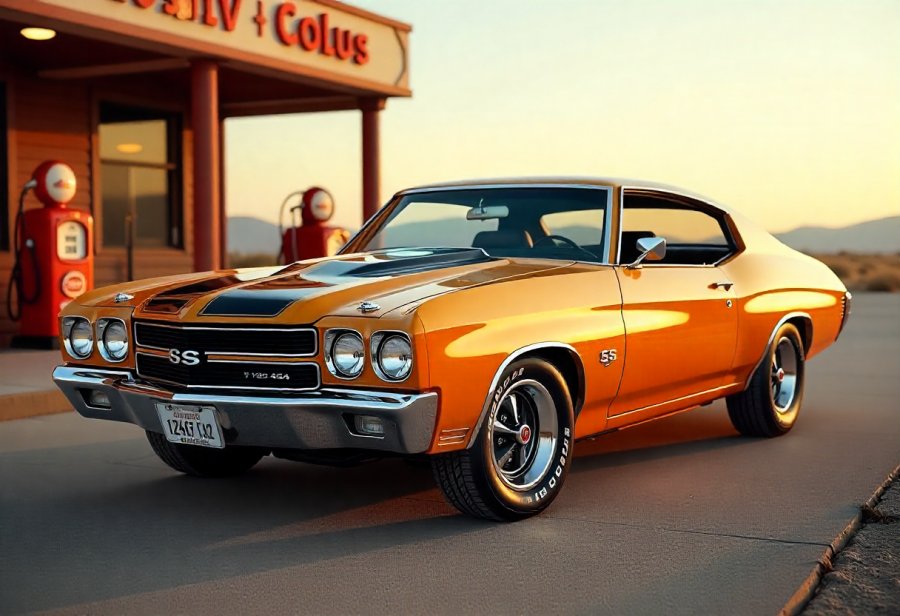
The 1970s Chevrolet SS stands as a true icon of American muscle car culture, capturing the boldness and rebellious spirit of its era. With its muscular stance and aggressive styling, this car was designed to turn heads and make a statement wherever it went. Features like the cowl-induction hood weren’t just for show—they improved airflow and boosted engine performance, emphasizing its high-performance DNA. Bright colors such as Hugger Orange and Rallye Green complemented its striking lines, making it impossible to ignore on the street or at car shows.
Beneath its eye-catching exterior lies legendary engineering. The heart of the Chevrolet SS was the massive 454 cubic inch V8 engine, capable of delivering over 450 horsepower. This wasn’t just a boast; it translated into explosive acceleration and raw torque, giving drivers an adrenaline rush with every press of the pedal. The deep growl of that big-block engine became the unmistakable soundtrack of the muscle car era, embodying power and unrestrained energy.
Design-wise, the Chevrolet SS was a masterclass in bold aesthetics. Wide fenders, racing stripes, chrome accents, and rally wheels all contributed to its commanding presence. Every detail was crafted to evoke speed and attitude, reinforcing the car’s reputation as a symbol of daring innovation. It wasn’t just about looks; it was about creating a machine that radiated confidence and rebellion, capturing the essence of the golden age of muscle cars.
This model didn’t just impress with its style and performance; it became a cultural icon. The Chevelle SS 454 represented American strength and independence during a turbulent social period. Its thunderous engine roar and striking visual appeal resonated with enthusiasts seeking to stand out and challenge societal norms. More than transportation, it was a statement—a rolling symbol of daring, freedom, and the unyielding pursuit of power.
Today, the legacy of the Chevrolet SS continues to inspire admiration and nostalgia. Restored models and vintage showcases keep its spirit alive, reminding us of a time when horsepower and bold design reigned supreme. It’s a car that embodies the daring attitude of the muscle car era—more than just a vehicle, it’s a lasting symbol of American ingenuity and rebellion.
The Rise of Muscle Cars: Igniting a Cultural Revolution in America
The muscle car era in America took off in the early 1960s, driven by a surge in demand for high-performance vehicles that delivered excitement without a hefty price tag. Automakers began emphasizing powerful engines, aggressive styling, and racing-inspired features to appeal to a new generation eager for freedom on the open road. Models like the Pontiac GTO, Ford Mustang, and Chevrolet Chevelle SS quickly became symbols of speed and rebellion, pushing the limits of engine power and design to capture the public’s imagination.
As the decade progressed, muscle cars gained cultural prominence beyond their performance specs. They became expressions of individuality and independence, often associated with youthful energy and defiance. Street racing scenes, car clubs, and enthusiast communities sprang up around these vehicles, fostering a shared passion that elevated muscle cars into icons of American automotive identity. The roar of their big V8 engines and their eye-catching looks turned heads and drew attention everywhere they went.
The late 1960s and early 1970s marked the golden age of muscle cars, when manufacturers competed fiercely to produce machines that were not only fast but visually commanding. The Chevrolet Chevelle SS 454, with its massive 454 cubic inch V8 engine producing over 450 horsepower, became a legend. That figure wasn’t just a technical boast—it was a statement of American engineering daring to push boundaries. The thunderous sound of these engines and their explosive acceleration earned them a reputation as rolling symbols of strength and rebellion.
Design played a crucial role in defining the muscle car aesthetic. Wide, muscular lines, bold racing stripes, and vibrant paint options like Hugger Orange helped these cars stand out. Features such as cowl-induction hoods improved airflow and performance, while chrome accents and rally wheels emphasized their sporty character. Every detail was crafted to evoke speed, attitude, and a daring spirit, making muscle cars more than transportation—they were rolling statements of boldness.
This era also solidified muscle cars as cultural icons representing American independence. They embodied a daring attitude that challenged societal norms and authority, offering drivers a way to showcase their personality and push limits. The raw power and aggressive styling made them symbols of freedom and non-conformity, resonating deeply with a generation eager to break free from tradition.
The muscle car movement left a lasting legacy that continues to influence car culture today. It laid the foundation for modern high-performance vehicles and remains a symbol of innovation, craftsmanship, and rebellion. These cars are more than relics; they are powerful reminders of a time when pushing boundaries was celebrated and design was an act of daring.
Looking back, the rise of muscle cars in the 1960s and 1970s was about more than just speed. It was a cultural revolution that combined engineering excellence with bold aesthetics and a rebellious spirit. The story of muscle cars is a testament to American ingenuity and the desire to stand out—a legacy that still fuels passion among enthusiasts and collectors alike.
Chevrolet SS 454: The Ultimate Muscle Car Icon of the 1970s
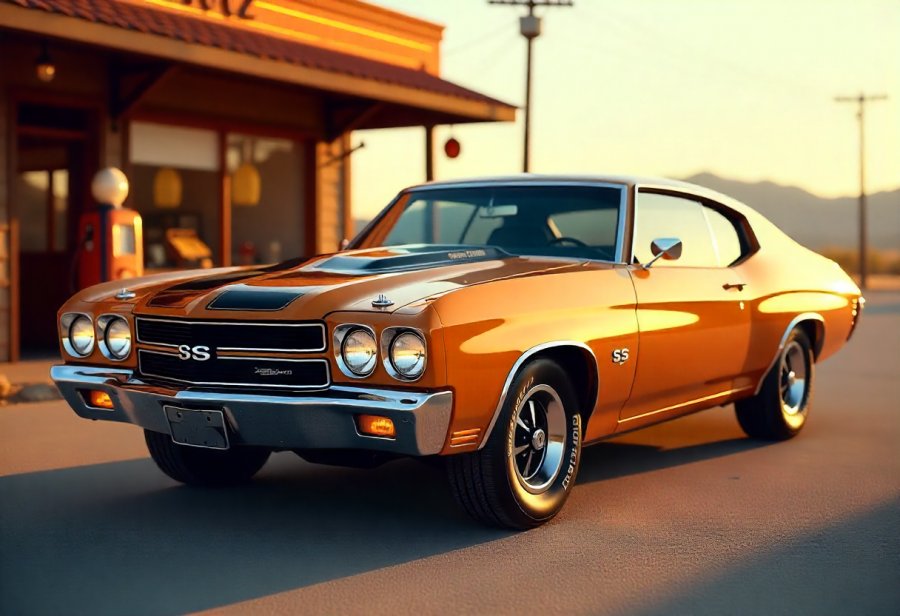
The 1970s Chevrolet SS, particularly the Chevelle SS 454, stands as a quintessential example of muscle car mastery at its peak. Its bold, muscular silhouette commands attention immediately, with a stance that exudes power and readiness to unleash raw performance. Wide fenders and aggressive lines give it a commanding presence on the road, while features like the cowl-induction hood weren’t just aesthetic—they enhanced airflow and boosted engine output, underscoring its high-performance DNA.
Beneath that striking exterior lies the legendary 454 cubic inch V8 engine, capable of delivering over 450 horsepower. This isn’t just a boast; it translates into explosive acceleration and hefty torque, making every drive feel like a rebellion on wheels. The deep growl of that big-block engine became the unmistakable soundtrack of muscle car dominance, embodying unrestrained power and American engineering prowess. Drivers could feel the adrenaline rush with each press of the pedal, experiencing performance that set it apart from many contemporaries.
Design-wise, the Chevelle SS 454 was crafted to match its formidable performance. Racing stripes in contrasting bold hues highlighted its athletic stance, while vibrant paint options like Hugger Orange and Rallye Green amplified its daring personality. Chrome accents, rally wheels, and dual exhausts weren’t just decoration—they reinforced its sporty and aggressive character. Every detail contributed to a cohesive image of speed, attitude, and rebellion, making it as much a visual statement as a mechanical marvel.
This model transcended mere transportation; it became a cultural icon symbolizing American strength and independence during tumultuous times. The thunderous roar of its engine and its striking aesthetics resonated with enthusiasts and young drivers eager to make a mark. More than a car, it embodied daring, freedom, and the refusal to conform—an open declaration of individualism on wheels.
Today, the Chevelle SS 454 continues to inspire nostalgia among collectors and muscle car fans alike. Restorations and vintage shows keep its legacy alive, reminding us of an era when horsepower and bold design reigned supreme. Owning or simply admiring this car connects enthusiasts to a golden age of daring automotive engineering—where pushing limits was celebrated and style was an act of rebellion.
In the end, the 1970s Chevrolet SS isn’t just about its impressive specs; it’s about the culture it represents. It’s a symbol of a time when cars were more than machines—they were expressions of attitude, daring, and American ingenuity. The model’s enduring appeal lies in its ability to evoke a sense of freedom and rebellion, inspiring generations to chase their own adrenaline-fueled dreams.
Nostalgia on Wheels: Why Vintage Muscle Cars Still Capture Our Hearts
The allure of muscle car nostalgia runs deep because these vehicles represent more than just impressive horsepower—they embody a spirit of freedom and rebellion that still resonates today. Seeing a vintage muscle car like the Chevrolet SS instantly transports many back to sun-drenched roads, open highways, and moments of unfiltered excitement. The roar of a big-block V8 isn’t just a sound; it’s a visceral reminder of an era when driving was about making a statement, not just getting from point A to point B.
These cars evoke strong feelings because they are vivid symbols of a uniquely American identity. Their bold designs—wide stances, aggressive lines, and vibrant colors—are impossible to ignore. These aesthetic choices aren’t just about style; they’re declarations of attitude and individuality. When enthusiasts spot a Chevelle SS 454 in a striking Hugger Orange, it’s not just admiration for the color—it’s a connection to the daring personality that car represents. The visual impact of these vehicles makes them feel alive, almost as if they carry the energy of the past with them.
The engine’s growl is perhaps the most iconic feature of muscle cars. That deep, thunderous sound isn’t merely noise; it’s an auditory badge of honor, a sonic signature of raw power and performance. For many, it’s a nostalgic melody that instantly triggers memories of cruising with friends or racing down an open stretch of highway. This sensory link makes the experience of owning or simply admiring these cars intensely compelling—an emotional bridge to a time when pushing limits was celebrated and cars were expressions of daring.
Beyond their aesthetics and sound, muscle cars symbolize craftsmanship and bold design. Restoring a vintage vehicle isn’t just about fixing a machine; it’s about preserving a piece of history—an era when American engineers dared to dream big and build machines that roared louder and went faster than anything before. These cars serve as rolling time capsules, capturing the daring spirit of the 1960s and 1970s, and keeping that energy alive for new generations to experience.
For many enthusiasts, owning a muscle car like the Chevrolet SS is a way to reconnect with roots or relive childhood memories. Whether passed down from family or collected as a prized possession, these cars foster a deep emotional bond. They serve as symbols of independence, daring, and the pursuit of individual expression—timeless icons that continue to inspire passion and curiosity. The enduring appeal of these vintage muscle cars reminds us that, sometimes, the roar of the engine and the look of a car can tell a story far greater than mere transportation.
A Timeless Symbol of American Daring: The Enduring Legacy of the Chevrolet SS
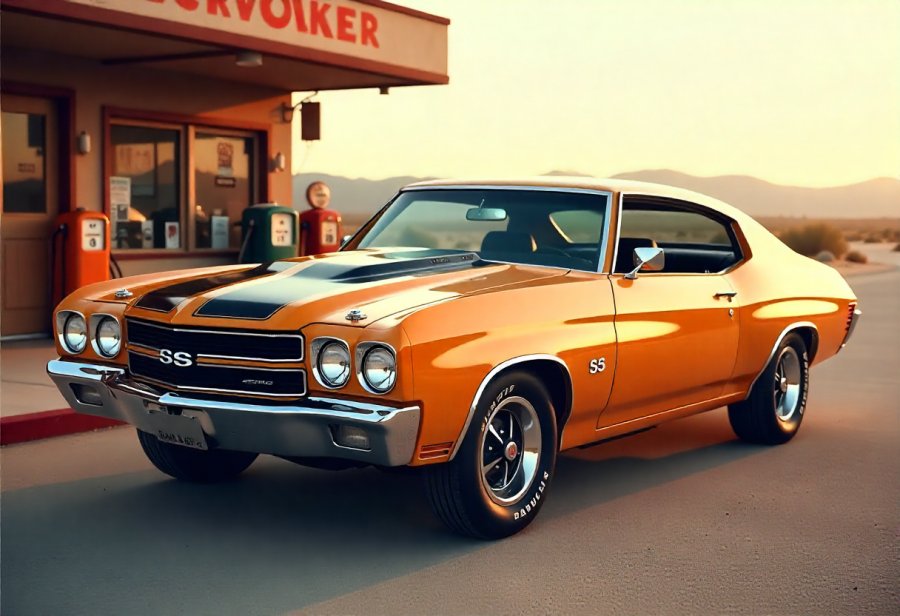
The 1970s Chevrolet SS stands as a lasting symbol of American muscle car greatness, blending bold design with raw performance and cultural significance. Its muscular stance and aggressive styling weren’t just about aesthetics—they reflected a daring mindset of innovation and independence that defined an era. The legendary 454 V8 engine, capable of delivering over 450 horsepower, made these cars not only fast but iconic representations of unrestrained power. This synergy of looks and engineering created vehicles that turned heads and became symbols of American ingenuity and rebellion.
Beyond just their mechanical prowess, these cars captured a unique cultural spirit. They embodied freedom, daring, and the relentless pursuit of pushing limits. During a time of social upheaval, muscle cars like the Chevrolet SS became statements of non-conformity, offering drivers a way to stand out and express their individuality. The thunder of their engines and their striking visual presence echoed a broader movement—one that celebrated breaking boundaries and defying expectations.
The visual appeal of the Chevrolet SS remains compelling today. Its bold, muscular lines, complemented by features like cowl-induction hoods and vibrant paint options, created a commanding silhouette that’s still instantly recognizable. Chrome accents, rally wheels, and racing stripes weren’t just adornments—they reinforced the car’s sporty, daring character. Each detail was crafted to evoke speed and attitude, making the SS more than just a vehicle; it was a rolling manifesto of rebellion and confidence.
Performance was at the core of what made the Chevrolet SS legendary. The deep, thunderous growl of its big-block V8 became a sonic signature of American horsepower, inspiring awe and admiration wherever it roared. Driving one was an experience rooted in adrenaline—feeling the raw power and precision engineering that pushed the limits of what a car could be. Restored models and vintage shows continue to celebrate this legacy, illustrating how these cars remain symbols of daring innovation.
The enduring influence of the Chevrolet SS lies in its ability to symbolize a golden age of automotive daring. It continues to inspire new generations of enthusiasts and collectors, standing as a testament to a time when pushing limits was celebrated and design was an act of rebellion. Its legacy lives on through modern muscle cars that echo the spirit of freedom, strength, and daring that the Chevrolet SS epitomized.
In the end, this car is more than just a piece of automotive history—it’s a reflection of a culture that valued boldness and individualism. The Chevrolet SS’s story is one of relentless pursuit—of speed, style, and self-expression. Its impact endures, fueling passion and curiosity about an unforgettable chapter in American automotive lore. Through its roar and its presence, it continues to remind us that true power isn’t just measured in horsepower, but in the daring spirit it inspires.