


Creating stunning outdoor retreats in Toronto involves more than just aesthetic appeal—it’s a delicate balance of beauty, sustainability, and personalized functionality. How can homeowners transform compact, often challenging yards into resilient, eco-friendly havens that support both their lifestyle and the environment? This guide explores the fundamental principles of landscape design, emphasizing harmony, visual interest, and practicality tailored to Toronto’s unique climate. Innovative features like layered lighting, water elements, and versatile outdoor structures elevate these spaces from simple gardens to year-round entertainment zones. Real-world projects demonstrate how native plants, permeable materials, and low-maintenance systems forge landscapes that withstand harsh weather while reducing environmental impact. Looking ahead, the future of outdoor retreats hinges on integrating smart technology, renewable energy, and adaptable designs—making each yard a true reflection of individual identity and ecological responsibility. Are you ready to see how thoughtful, sustainable design can redefine your outdoor living experience?
Transforming Toronto Yards Into Vibrant Outdoor Retreats
Creating outdoor retreats in Toronto is more than just planting some greenery or adding a patio; it’s about crafting spaces that genuinely enhance how we live and connect with nature right outside our doors. Toronto’s vibrant mix of urban energy and natural beauty presents both challenges and opportunities for landscape design. The goal is to develop outdoor areas that are not only visually appealing but also practical, sustainable, and tailored to each homeowner’s lifestyle.
Designing these yards requires a careful blend of aesthetics and function. It’s about creating a seamless flow between different elements—pathways, seating zones, water features—so that the space feels inviting and easy to navigate. Thoughtful planning ensures every feature has a purpose, helping to avoid clutter and confusion, especially in Toronto’s often compact yards. When done right, these landscapes become natural extensions of the home, perfect spots for relaxation, socializing, or simply enjoying the outdoors.
Sustainability plays a central role in these transformations. Choosing native plants that thrive in Toronto’s climate reduces maintenance and supports local ecosystems. Eco-friendly materials like permeable pavers and organic fertilizers further minimize environmental impact. These choices help create resilient landscapes that withstand the city’s cold winters, humid summers, and heavy snowfalls, all while adding long-term value and beauty.
A successful outdoor retreat balances visual appeal with practicality. It involves selecting durable, weather-resistant materials and designing features with longevity in mind. Whether it’s a cozy patio corner, a lush garden, or a functional outdoor kitchen, each element should serve a clear purpose. Collaborating closely with homeowners ensures the design reflects their personalities and meets their needs, turning visions into real, usable spaces.
In Toronto, the challenge is to create outdoor environments that endure over time, requiring minimal upkeep without sacrificing style. Native plants and eco-conscious materials support this goal, providing a natural resilience that aligns with local environmental conditions. These landscapes aren’t just beautiful—they’re sustainable ecosystems that support biodiversity and reduce resource consumption.
Every successful project demonstrates that thoughtful design, rooted in local context, can turn even small or awkward yards into stunning retreats. From vertical gardens in narrow spaces to water features that attract local wildlife, these examples show how innovation and understanding of the environment lead to outstanding results. The key is to merge beauty, functionality, and sustainability into a cohesive whole.
When these principles come together, they produce outdoor spaces that are truly worth enjoying year-round. They become places where families gather, friends connect, and individuals find peace amid the city’s hustle. The process of transforming Toronto yards isn’t just about aesthetics—it’s about creating lasting environments that enrich everyday life while respecting the city’s unique climate and ecological needs.
Mastering the Principles of Landscape Design for Stunning Outdoor Spaces
Creating a successful landscape design begins with understanding some fundamental principles that turn a simple yard into a cohesive, inviting space. Arranging elements like pathways, seating areas, and planting beds so they flow naturally is essential. When these components are thoughtfully placed, they foster harmony and ease of movement, making the outdoor space feel both balanced and accessible. Clear organization helps prevent clutter and confusion, especially in Toronto’s often compact yards, ensuring every feature serves a purpose.
Visual harmony is equally important. Selecting colors, textures, and materials that complement each other creates a balanced aesthetic that’s pleasing to the eye. Incorporating focal points, such as a water feature or a striking plant, adds visual interest and directs attention, giving the landscape a sense of purpose and personality. These elements guide the viewer’s eye and create a layered, dynamic environment that feels designed with intention.
Functionality must go hand in hand with beauty. Every element—whether a patio, garden bed, or walkway—should fulfill a specific role. Thoughtful placement might include cozy corners for reading or open areas for entertaining. In Toronto’s climate, choosing plants and materials suited to cold winters and humid summers ensures the yard remains vibrant and low-maintenance year-round. Listening closely to homeowners’ needs allows for a personalized design that truly reflects their lifestyle and preferences.
Eco-friendly practices have become integral to modern landscape design. Using native plants supports local ecosystems and reduces water and chemical needs, making landscapes more sustainable. Permeable materials like recycled pavers or gravel help manage stormwater runoff, enhancing resilience and environmental responsibility. Organic fertilizers and mulching improve soil health naturally, fostering healthier plants and reducing reliance on synthetic inputs. These choices create landscapes that are not only beautiful but also environmentally sound and durable.
Applying these core principles in real-world projects reveals how thoughtful planning yields stunning outdoor spaces. Whether transforming a narrow yard with vertical gardens and layered lighting or selecting native plants for resilience, these strategies demonstrate that practicality and aesthetics can coexist beautifully. By combining organization, visual harmony, functionality, and sustainability, landscape design in Toronto becomes a process of creating outdoor retreats that are as enduring as they are inviting.
Enhancing Your Yard with Innovative Lighting, Water Features, and Structures
Incorporating modern outdoor features can truly elevate a Toronto yard from simple to spectacular. Thoughtfully designed lighting, for instance, creates a warm, inviting atmosphere after sunset. Layering different types—such as soft string lights, focused spotlights on focal points, and pathway lamps—adds depth and dimension, transforming the space into an inviting area for evening gatherings or quiet nights outside. Lighting not only highlights key landscape elements but also enhances safety and makes the yard feel larger and more welcoming.
Water features add a calming presence that can instantly boost outdoor appeal. Small recirculating ponds, sleek fountains, or waterfalls introduce soothing sounds and visual interest. They serve as natural focal points that draw the eye and create a tranquil ambiance, helping to drown out city noise. Choosing low-maintenance options with self-circulating pumps ensures homeowners can enjoy the serenity without the hassle of frequent upkeep, making water features both beautiful and practical.
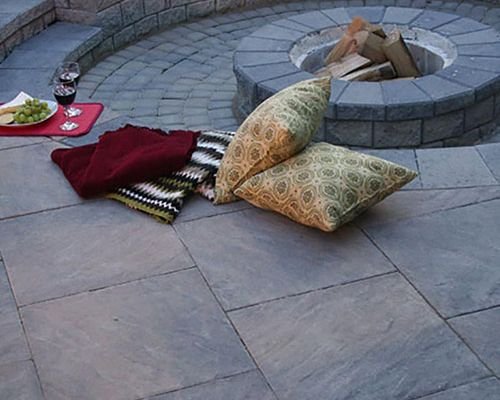
Outdoor structures like pergolas, gazebos, and fire pits blend style with functionality. A pergola draped with climbing plants can define dining or lounging areas, providing shade and a sense of enclosure. Fire pits become natural gathering spots on cooler evenings, extending usability into the cooler months. Seating around these features encourages social interaction, making them integral parts of the outdoor experience rather than mere decorative elements.
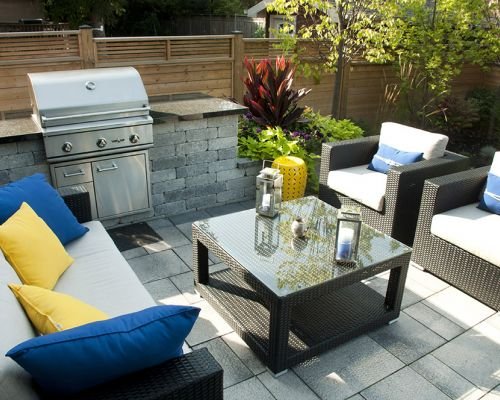
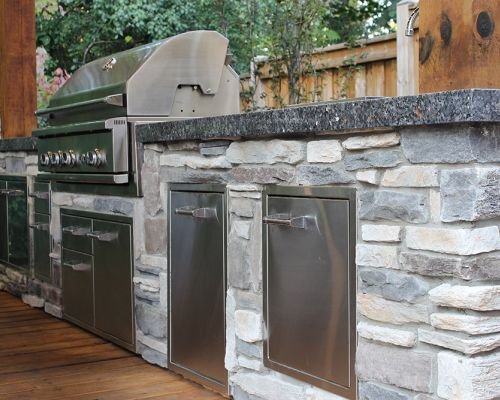
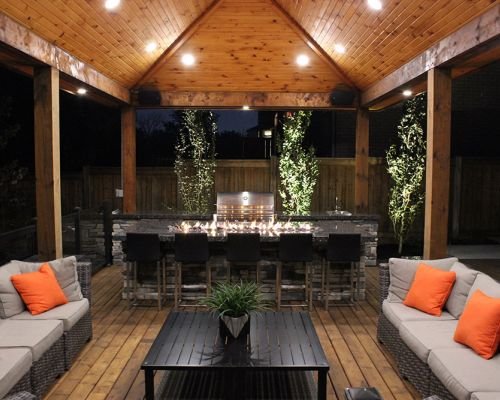
Adding versatile features such as outdoor kitchens or bar areas can turn a yard into a year-round entertainment hub. Modern outdoor kitchens equipped with grills, countertops, and even pizza ovens simplify hosting and make outdoor cooking a joy. When paired with comfortable, weather-resistant furniture, these zones create a seamless transition from cooking to relaxing, encouraging frequent use and making the outdoor space feel like an extension of the home.
Designing these features to work in harmony is essential. Lighting should accentuate water features and outdoor structures, creating a cohesive look after dark. Materials must withstand Toronto’s weather—durable, weather-resistant options like recycled stone or corrosion-resistant metals help preserve both aesthetic and function over time. This integrated approach ensures each element enhances the overall atmosphere, adding layers of visual interest and usability.
Maintenance considerations are key to long-term success. Selecting energy-efficient LED lighting, self-circulating water systems, and durable materials reduces ongoing effort and costs. These practical choices allow homeowners to enjoy their outdoor retreats without the burden of frequent repairs or cleaning. By focusing on low-maintenance, high-impact features, yards remain vibrant and functional across seasons, supporting a sustainable and inviting environment year-round.
Real-Life Toronto Projects Showcasing Practical Landscape Transformations
Seeing real-life landscape projects in Toronto highlights how core design principles translate into stunning outdoor spaces. For instance, one downtown backyard transformation focused on native plants that thrive in Toronto’s climate, paired with permeable paving to effectively manage rainwater runoff. The addition of a small, recirculating water feature created a peaceful focal point, supporting local wildlife and enhancing tranquility. This project exemplifies how understanding environmental conditions and sustainable practices results in a yard that is both beautiful and ecologically responsible.
Another example reimagines a narrow backyard through clever use of vertical gardens and layered lighting. Climbing plants on trellises and wall-mounted planters turned a tight space into a lush retreat, while strategically placed lights accentuated these features, creating a cozy, inviting atmosphere after dark. Such creative solutions show how space constraints can be transformed into personalized outdoor escapes that reflect the homeowners’ style and needs.
Many Toronto homeowners and landscapers focus on ongoing maintenance routines that preserve landscape vitality. Regular pruning, watering, and mulching keep plants healthy, especially when native species are chosen for their resilience against cold winters and humid summers. Installing drip irrigation or rainwater harvesting systems further enhances efficiency, ensuring yards stay lush with less effort. These practices extend the lifespan of the design, making sure the landscape remains vibrant and functional through changing seasons.
Eco-conscious choices also define successful projects. Incorporating recycled or permeable materials like reclaimed stone and recycled pavers helps reduce runoff and resource consumption. Native plants, combined with durable, eco-friendly materials, create resilient landscapes that withstand Toronto’s weather while minimizing maintenance. These tailored solutions demonstrate that beauty and sustainability can go hand in hand, fostering environments that are both aesthetically pleasing and environmentally sound.
Particular projects showcase how customized design addresses specific site challenges. One involved transforming a side yard into a lush, eco-friendly retreat with native plants, permeable surfaces, and a small pond to attract local wildlife. Another focused on a rooftop terrace, where modular planters and energy-efficient lighting created a versatile outdoor living space. These examples underscore the importance of tailoring each design to the space, climate, and client preferences, ensuring every yard feels personal and functional.
Maintaining these landscapes over time relies on practical routines. Low-maintenance, durable materials and native plants simplify upkeep, while eco-friendly systems like rainwater harvesting and drip irrigation support plant health. Regular care routines—pruning, watering, mulching—preserve the yard’s vitality without excessive effort or costs. This approach ensures the landscape’s beauty and sustainability endure, making outdoor retreats a long-term asset.
Collaboration between designers and homeowners remains key to success. Clear communication ensures that personal preferences and lifestyle needs drive the process. Combining this input with a thorough understanding of local conditions results in outdoor spaces that are both functional and visually compelling. These partnerships turn initial ideas into vibrant realities, creating outdoor environments that truly reflect the homeowners’ personalities and enhance their daily lives.
The Future of Toronto Outdoor Retreats: Trends and Innovations
The future of outdoor retreats in Toronto will be shaped by a blend of innovative technologies, sustainable practices, and a focus on personalized design. Smart features like automated lighting, irrigation systems, and climate controls are becoming standard, making yard maintenance more efficient and less time-consuming. These tools help homeowners conserve water and energy while ensuring their outdoor spaces remain vibrant and inviting year-round. Integrating technology isn’t just a trend; it’s quickly becoming a vital part of modern landscape design, enabling more seamless and responsive outdoor environments.
Sustainability will play an even greater role, with native plants, drought-tolerant species, and eco-friendly materials taking center stage. These choices support local ecosystems, reduce resource consumption, and lower long-term maintenance costs. Water-saving systems like rainwater harvesting and drip irrigation will become more prevalent, helping yards stay lush while minimizing environmental impact. As climate challenges persist, designing resilient landscapes that adapt to changing conditions will be essential, ensuring outdoor spaces remain both beautiful and functional over time.
Designs will evolve toward creating flexible, multi-use outdoor zones. Homeowners increasingly seek adaptable spaces that serve different purposes—whether for relaxation, entertainment, or gardening. Modular structures and reconfigurable zones will allow residents to customize their yards to suit their lifestyle changes, maximizing usability without sacrificing style. This shift reflects a broader move toward outdoor environments that are as versatile and dynamic as the people who use them.
Renewable energy solutions and natural materials will influence future landscape choices. Solar-powered lighting, water features, and outdoor appliances will become commonplace, reducing dependence on traditional energy sources. These eco-friendly options will blend seamlessly with aesthetic goals, creating outdoor retreats that are both stunning and sustainable. As Toronto emphasizes greener urban living, these innovations will support a landscape design ethos rooted in environmental responsibility and long-term resilience.
Staying ahead in landscape design means continuous learning and openness to change. Industry professionals and homeowners alike will need to stay informed through workshops, online resources, and industry networks. Experimenting with emerging materials, technologies, and design concepts will be key to crafting outdoor spaces that are innovative yet enduring. Flexibility and a willingness to adapt will ensure that landscapes evolve alongside technological and ecological advancements.
At the heart of these trends is a desire for highly personalized outdoor spaces. Homeowners seek retreats that reflect their individual tastes, lifestyles, and values. Whether through custom-built features, curated plant selections, or unique lighting schemes, future landscapes will focus on creating personal sanctuaries. These spaces will be more than just beautiful—they’ll be tailored environments that support well-being, foster connection, and enhance everyday life, making every yard a true extension of the home.