


Transforming Toronto yards into inviting outdoor retreats is more than just aesthetics — it’s a delicate balance of beauty, sustainability, and client satisfaction. How can homeowners achieve lush, vibrant landscapes that withstand Toronto’s seasonal fluctuations while supporting local ecosystems? This article unveils innovative approaches where native plants, eco-friendly materials, and water conservation techniques come together to create resilient, eco-conscious spaces. From thoughtfully designed layouts to smart irrigation systems, the strategies emphasize long-term durability and ecological responsibility without sacrificing visual appeal. Expert insights highlight the importance of site-specific assessments, seamless design implementation, and ongoing maintenance, ensuring landscapes remain thriving across seasons. As technology advances and environmental awareness grows, the future of landscape design in Toronto points toward increasingly personalized, sustainable outdoor environments that inspire responsible living. Are these innovations enough to redefine outdoor living, or is there more to unlock in creating truly harmonious, enduring retreats? Dive into the principles shaping Toronto’s landscape revolution.
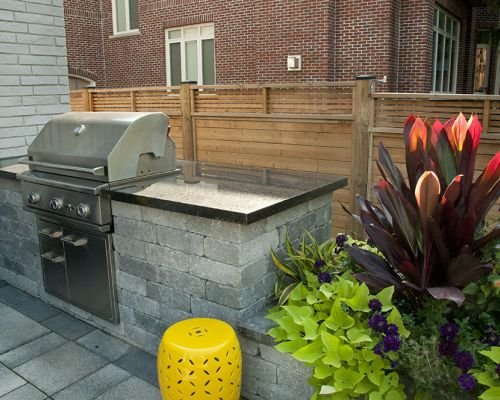
Transforming Toronto Yards into Inviting Outdoor Retreats
Transforming Toronto yards into inviting outdoor retreats has become a priority for homeowners looking to enhance their living spaces. A beautiful yard isn’t just about boosting curb appeal; it’s about creating a personal sanctuary where you can unwind, entertain, and enjoy nature year-round. Achieving this balance requires more than just choosing pretty plants or stylish hardscaping—it’s about designing a space that harmonizes visual beauty with environmental responsibility and your unique lifestyle.
In Toronto’s climate, with its distinct seasons and environmental challenges, sustainable practices are more important than ever. Incorporating native plants that thrive naturally here reduces water and maintenance needs, supporting local ecosystems. Water-saving features like rain gardens and eco-friendly materials for paving and hardscaping help create resilient landscapes that require less intervention. These choices not only make your yard more sustainable but also ensure it remains vibrant through Toronto’s unpredictable weather.
Creating a successful outdoor retreat involves understanding what makes a space both functional and beautiful. Listening to client preferences and understanding daily habits guide designers to craft personalized environments that truly reflect individual tastes and needs. Clear communication throughout the project—from concept to installation—ensures expectations are aligned, avoiding surprises and fostering satisfaction. When clients see their ideas brought to life seamlessly, they’re more likely to cherish their outdoor space for years to come.
Designing with purpose means blending aesthetics with practicality. Thoughtful layouts, focal points like water features or eye-catching plantings, and a cohesive flow all contribute to a yard that feels inviting and well-balanced. Choosing durable, climate-appropriate materials and native plants ensures the landscape remains lush and resilient across seasons, transforming the yard into a true extension of the home. This approach emphasizes long-term beauty and ecological health, making the space both stunning and sustainable.
Ultimately, transforming Toronto yards into beautiful outdoor retreats is about more than just aesthetics. It’s a careful balance of ecological mindfulness, thoughtful design, and attentive client service. When done right, these outdoor spaces become personal havens that support sustainable living while offering a perfect setting for relaxation and connection with nature. It’s a process that values long-term resilience as much as immediate beauty, shaping outdoor environments that inspire and endure.
Core Principles for Harmonizing Beauty with Sustainability
Creating outdoor spaces that are both stunning and environmentally responsible relies on a few core principles that guide effective landscape design. Choosing native plants is fundamental; these species are naturally adapted to Toronto’s climate, requiring less water, fertilizers, and pesticides. This not only reduces maintenance but also supports local biodiversity and creates a landscape that feels authentic and seamlessly integrated into its surroundings.
Design balance extends beyond plant selection. It’s about crafting layouts that maximize every inch of space, making the yard both inviting and functional. Thoughtfully placed focal points, like a striking tree, a water feature, or a sculptural element, add visual interest without cluttering the space. When these features work together harmoniously, the landscape feels cohesive, natural, and engaging.
Water conservation techniques play a vital role in sustainable landscapes. Rain gardens and drip irrigation systems help manage runoff and minimize water waste, especially important in Toronto’s seasonal climate fluctuations. Using eco-friendly hardscaping materials, such as reclaimed stone or sustainably sourced wood, further enhances environmental responsibility while adding texture and character to the design.
Sustainability doesn’t mean sacrificing beauty. Instead, it involves selecting resilient plants and durable materials that thrive over time, reducing the need for constant replanting or repairs. Native plants flourish with minimal intervention, creating lush, vibrant landscapes year-round. Permeable pavements and other eco-friendly hardscape choices support stormwater management, helping landscapes stay healthy despite heavy rains or drought conditions.
Every site has its unique conditions—soil quality, sun exposure, wind patterns—and successful design adapts accordingly. Conducting thorough assessments ensures that plant choices and feature placement support long-term health and vibrancy. This site-specific approach results in landscapes that are resilient across all seasons, reducing the need for ongoing maintenance and intervention.
Balancing beauty with ecological responsibility is about making smarter, informed decisions. Prioritizing native species, eco-friendly materials, and water-saving features creates outdoor retreats that are both visually appealing and environmentally sound. These choices foster landscapes that not only look good but also contribute positively to the local ecosystem, ensuring longevity and resilience.
Good design also considers the cohesion of all elements—plants, hardscape, water features—so they work together as a harmonious whole. Thoughtful planning and strategic placement enhance the natural flow of the space, making it feel effortless and inviting. When each feature complements the others, the entire yard transforms into a seamless outdoor sanctuary.
Finally, integrating sustainability into landscape design is a continual process of learning and refinement. Staying informed about emerging trends and innovative techniques allows professionals to craft outdoor spaces that truly balance aesthetic appeal with ecological health. This ongoing commitment ensures that Toronto’s yards remain beautiful, resilient, and responsible for years to come.
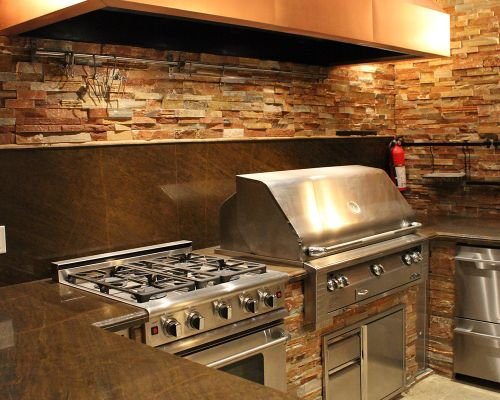
Implementing Design Strategies in Toronto’s Diverse Landscapes
Applying design strategies in real Toronto landscape projects brings theory to life, showcasing how principles like native planting and water management translate into tangible results. For example, a backyard renovation might feature native plants carefully selected for their adaptability to Toronto’s climate, reducing irrigation needs and supporting local biodiversity. Incorporating rain gardens and rain barrels helps manage stormwater naturally, turning a potential runoff problem into an asset that keeps the landscape lush and sustainable through all seasons.
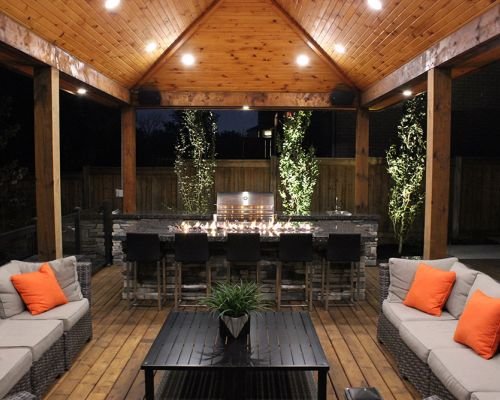
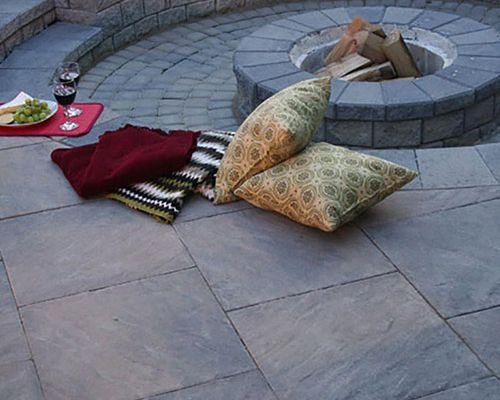
Eco-friendly materials also play a prominent role in these projects. Reclaimed stone, sustainably sourced wood, and permeable pavers are used not just for their aesthetic appeal but for their environmental benefits. These choices minimize resource extraction and support stormwater infiltration, making the landscape more resilient and less resource-intensive. When combined with features such as cozy seating areas and small ponds, these elements create inviting outdoor retreats that feel both stylish and responsible.
Design flexibility is evident across Toronto’s diverse sites. Whether working with small urban yards or larger suburban lots, successful projects adapt to specific site conditions. Selecting plants suited for sun exposure, shade, or wind exposure ensures they thrive across seasons. Thoughtful placement of focal points, like a standout tree or water feature, helps unify the space, turning a simple yard into a personal sanctuary. This tailored approach results in landscapes that are both functional and visually captivating.
Emerging technologies further enhance these projects. Smart irrigation systems that respond to weather and soil moisture cut water waste while maintaining healthy plants. Permeable hardscapes support stormwater absorption, reducing runoff and easing maintenance. These innovations make landscapes more efficient and eco-friendly, providing homeowners with low-maintenance, sustainable outdoor spaces. Proper installation and regular upkeep ensure these features perform as intended, reinforcing their long-term value.
Of course, challenges can arise, especially when installing features like rain gardens or native plantings. Success depends on expert planning, precise installation, and ongoing maintenance. Clear communication with clients about care routines helps ensure features function properly and remain attractive over time. When executed thoughtfully, these strategies transform potential hurdles into opportunities, creating landscapes that are not only beautiful but also durable and ecologically sound.
Insights from Experts on Sustainable Landscape Innovation
Experienced landscape professionals emphasize that integrating sustainability into design isn’t a one-and-done task but an ongoing journey of learning and adaptation. Staying current with emerging trends, new tools, and innovative techniques is essential to creating outdoor spaces that genuinely balance beauty with ecological responsibility. Native plants are a cornerstone, naturally thriving in Toronto’s climate and reducing the need for extra watering, fertilizers, or pesticides. This approach not only supports local ecosystems but also fosters landscapes that are resilient and easy to maintain over time.
Many experts highlight the importance of eco-friendly materials such as recycled stone, sustainably sourced wood, and permeable pavers. These choices enhance visual appeal while supporting stormwater management and reducing environmental impact. When integrated thoughtfully, such materials demonstrate that sustainability and style can go hand in hand. The adoption of smart irrigation systems, which adjust watering based on weather conditions and soil moisture levels, has become a game-changer. These systems cut water waste significantly, helping landscapes stay vibrant and healthy with less effort.
Clear collaboration and communication form the backbone of successful projects. When designers work closely with clients, contractors, and suppliers from the outset, expectations align, and sustainability goals are more easily met without sacrificing aesthetic quality. Ongoing dialogue allows for early identification of potential issues, whether it’s selecting the right plants or choosing materials that fit both ecological and budgetary considerations. This teamwork not only ensures a smooth process but also results in landscapes that are both beautiful and responsible.
Forward-thinking approaches are shaping the future of Toronto’s outdoor spaces. Combining proven strategies with innovative solutions—like modular planting systems or green roofs—creates projects that stand the test of time. These advancements improve ecological performance and add a modern touch, often appreciated by homeowners seeking personalized retreats. Staying open to new ideas keeps landscape design responsive to environmental challenges and evolving client preferences.
Understanding each site’s unique conditions is crucial. Thorough assessments of soil, sunlight, and microclimates enable tailored plant choices and feature placements. Designing landscapes that adapt naturally to Toronto’s variable weather ensures long-term vibrancy and reduces ongoing maintenance. When professionals focus on site-specific solutions, they create resilient, sustainable environments that thrive across seasons and support ecological health.
Finally, a genuine commitment to ecological health drives the most successful projects. When designers and homeowners share a vision of creating resilient, low-impact landscapes, the results are authentic and lasting. This shared purpose fosters outdoor environments that are not only visually stunning but also serve as models for responsible living. By blending innovation with ecological mindfulness, landscape professionals can craft outdoor retreats that meet aesthetic aspirations while contributing positively to the environment.
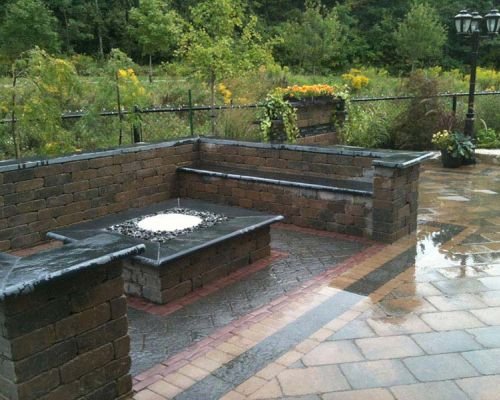
Future Trends: Eco-Friendly and Personalized Outdoor Living
Looking ahead, Toronto landscape design is set to embrace a range of innovations that seamlessly blend technology, ecological responsibility, and personalized outdoor experiences. Smart irrigation systems, driven by weather data and soil moisture sensors, are becoming standard tools for conserving water while keeping landscapes lush and healthy. Eco-friendly materials like permeable pavers and recycled stones will continue gaining popularity, supporting stormwater management and reducing environmental impact. These advancements not only simplify maintenance but also bolster long-term resilience, ensuring outdoor spaces remain vibrant across changing seasons.
Designers are increasingly focusing on climate-responsive landscapes that adapt to Toronto’s shifting weather patterns. By prioritizing native plants and resilient materials, they aim to create outdoor retreats that thrive naturally with minimal intervention. This approach guarantees that landscapes stay lush and functional year-round, even as climate conditions evolve. Homeowners seeking beautiful yet sustainable spaces will see ongoing refinement in techniques and features, making ecological responsibility an integral part of future landscape projects.
Personalization will continue to drive innovation, with homeowners demanding outdoor environments that reflect their lifestyles and values. Features like edible gardens, green walls, and outdoor wellness zones will become more commonplace, enriching the visual appeal while supporting health and well-being. Modular and adaptable design elements will allow landscapes to evolve alongside their owners, ensuring long-lasting satisfaction and ecological harmony. This shift toward tailored, multifunctional outdoor spaces underscores a commitment to both individual expression and environmental stewardship.
Technology’s role in creating seamless outdoor experiences will expand as automated lighting, integrated with smart home systems, enhances both efficiency and ambiance. Rain harvesting setups, composting stations, and other green infrastructure will become more accessible, transforming yards into functional extensions of everyday life. These innovations promote eco-conscious living and elevate outdoor aesthetics, turning every yard into a versatile, sustainable retreat that aligns with modern lifestyles.
As demand for eco-friendly landscapes rises, collaboration among designers, contractors, and homeowners will become even more vital. Sharing a strong commitment to sustainability ensures projects are executed with precision and purpose. Clear communication from the outset helps align expectations and guarantees features perform as intended, resulting in resilient, beautiful environments that meet ecological goals. This teamwork fosters outdoor spaces that are not only visually stunning but also genuinely responsible.
However, challenges remain, particularly around balancing cutting-edge technology with affordability. Not every homeowner can invest in the latest innovations, so scalable solutions that deliver ecological benefits at lower costs will be essential. Educating clients about the long-term savings and environmental gains of sustainable practices can broaden adoption, making responsible landscaping more accessible across Toronto’s diverse communities.
In the end, Toronto’s landscape design future centers on creating outdoor spaces that are as beautiful as they are durable and ecologically sound. By integrating innovative tools, native plants, and personalized features, professionals can craft retreats that withstand weather fluctuations and ecological pressures. These landscapes will not only be visually captivating but also serve as models for sustainable living, inspiring responsible outdoor design for years to come.