




Mastering the art of calm dog walking transforms your bond into a peaceful, mutual understanding—are you ready to unlock this rewarding connection? This comprehensive guide explores how gentle, trust-based techniques can turn everyday strolls into moments of communication and confidence. From understanding the psychology behind calmness to practical strategies like loose-leash walking, cues, and positive reinforcement, it emphasizes patience and consistency. Discover how to handle distractions, urban environments, and setbacks with resilience, turning challenges into opportunities for growth. The modern approach moves away from harsh corrections, focusing instead on fostering a secure, relaxed mindset that benefits both owner and dog. With insights into the financial aspects, implementation tips, and risk management, this work promises a deeper, more harmonious relationship rooted in respect and trust. Are your walks about control or connection? Instead of tension, choose calm—and watch your bond flourish.
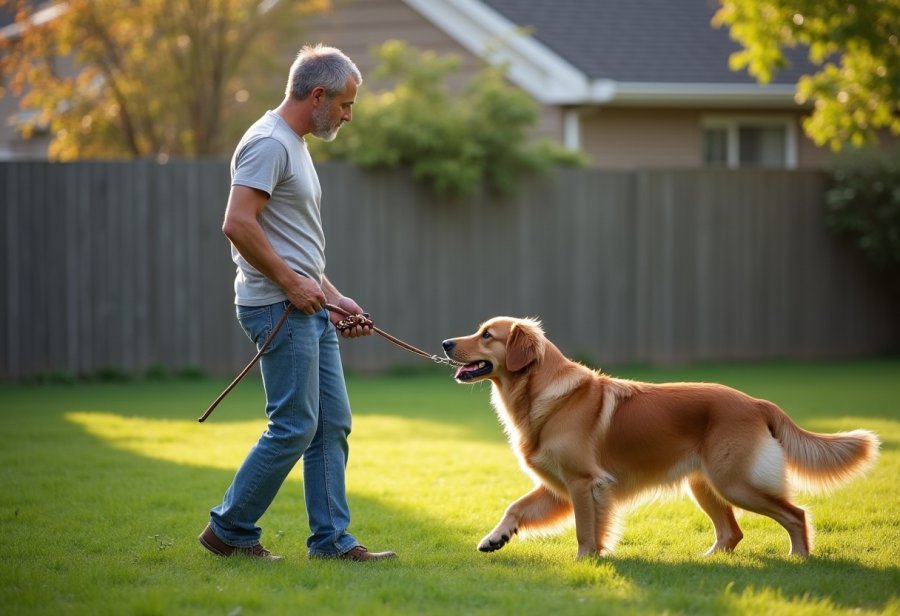
Build Trust and Connection Through Calm Dog Walking
Walking calmly with your dog might seem simple, but it’s actually a powerful way to strengthen your bond. When your dog walks beside you in a relaxed, attentive manner, it’s more than just good manners—it’s a form of communication built on trust. These peaceful moments turn everyday walks into opportunities for connection, making outings less stressful and more enjoyable for both of you.
Calm walking isn’t just about preventing pulling; it’s about teaching your dog focus and patience. When your dog learns to walk without tension, they see you as a confident leader, which boosts their trust and obedience. Over time, this shared calmness can reduce common frustrations like lunging or tugging, transforming walks into peaceful bonding experiences.
This approach also sets the foundation for better overall behavior. A dog that walks calmly tends to be less anxious, more confident, and happier during outings. Developing this skill helps your dog associate walks with positive, relaxing experiences rather than chaos or stress. It’s about creating a shared rhythm rooted in mutual respect and understanding.
Practicing calm walking involves simple techniques like teaching commands such as “heel” and maintaining a loose leash. Reinforcing these with treats and praise makes the process rewarding and clear. As your consistency grows, these peaceful walks become a reliable part of your routine, deepening your connection and encouraging your dog to stay attentive and relaxed at your side.
Patience and gentle guidance are key. When your dog feels secure and understands what’s expected, they’re more likely to stay focused, even amid distractions. This shared sense of calm not only improves behavior but also fosters a deeper trust, turning daily walks into meaningful moments of teamwork.
Mastering calm walking transforms what could be a tug-of-war into a shared routine based on respect. It’s a simple yet profound way to nurture your relationship, making every outing an opportunity for trust, confidence, and mutual understanding.
The Evolution of Dog Walking: From Control to Cooperation
Calm dog walking has evolved from strict control techniques to a more gentle, trust-based approach that emphasizes cooperation and understanding. In the past, trainers often relied on correction methods that could cause stress or confusion for dogs, making training feel more like a battle for dominance. Today’s perspective shifts away from control through punishment and toward creating positive experiences that foster confidence and mutual respect.
This modern approach centers on helping your dog develop a relaxed and attentive mindset. When your dog walks beside you without pulling or lunging, they learn to associate staying close and focused with rewards and praise. Clear cues like “heel” and consistent routines make communication straightforward, building trust and clarity in your training process. It’s less about obedience through discipline and more about cultivating a calm, cooperative connection.
Advancements in tools like clickers, harnesses, and treat dispensers have made consistent, positive reinforcement easier and more effective. These innovations support gentle guidance, helping dogs understand what’s expected without force. Scientific insights into canine learning reinforce the idea that stress and anxiety hinder progress, encouraging owners to train with patience and kindness.
Understanding key terms—such as “loose leash,” “focus,” and “relax”—creates a shared language that simplifies training. When your dog learns to walk calmly, it’s not just about leash manners; it’s about nurturing a relaxed state of mind that extends beyond walks into daily life. This foundation helps reduce behavioral issues and promotes a peaceful relationship built on trust.
The shift toward calm, cooperative training reflects a deeper respect for dogs’ emotional well-being. It recognizes that a confident, relaxed dog is happier, healthier, and more eager to learn. As owners embrace this philosophy, daily walks become valuable moments for bonding, communication, and mutual understanding. The result is a more harmonious, joyful partnership that benefits both.
Mastering the Techniques and Psychology of Calm Walking
Calm dog walking blends practical techniques with an understanding of canine psychology to create a relaxed, focused experience. Teaching your dog to walk with a loose leash is fundamental. Guide your dog gently without tension, helping them learn that staying close and attentive leads to positive reinforcement. The “heel” command is a key tool here, establishing a clear cue for your dog to remain at your side. When your dog walks calmly, they quickly realize that focus and patience bring rewards, strengthening their trust in your leadership.
Mentally engaging your dog is just as important as physical cues. Use treats and praise to reward calm responses, helping your dog associate peaceful walking with positive outcomes. Consistent cues and routines build clarity and trust, making expectations clear and training more effective. Your calm demeanor plays a vital role; dogs are highly perceptive to your emotional state, and a relaxed owner naturally helps reduce their anxiety.
Understanding the psychological principles behind calm walking is essential. Dogs thrive on predictability and positive reinforcement. When guided gently and rewarded frequently, they gradually become more relaxed and attentive. This trust-based approach fosters a sense of security, encouraging your dog to stay focused amid distractions. It’s less about strict obedience and more about shared calmness that promotes confidence and well-being.
Pulling on the leash often signals excitement or distraction. Recognizing triggers allows you to manage them through redirection or gradual exposure. Patience and consistency are key—every small step forward helps build a solid foundation for calmer, more focused walks. Managing these moments calmly teaches your dog that staying attentive earns rewards, making peaceful outings a natural routine.
Different training philosophies influence how you approach calm walking. Some favor correction-based methods, emphasizing control, while others prioritize rewards and positive reinforcement. Tailoring your approach to your dog’s temperament and your style helps foster trust and cooperation. Combining these strategies with patience creates a peaceful environment where your dog feels safe and understood.
Using tools like clickers, gentle harnesses, and high-value treats can support your efforts. Scientific insights into canine learning highlight that mental stimulation before walks reduces hyperactivity and anxiety. Integrating physical techniques with psychological awareness creates a holistic approach, transforming every walk into a bonding experience rooted in mutual respect, trust, and calmness.
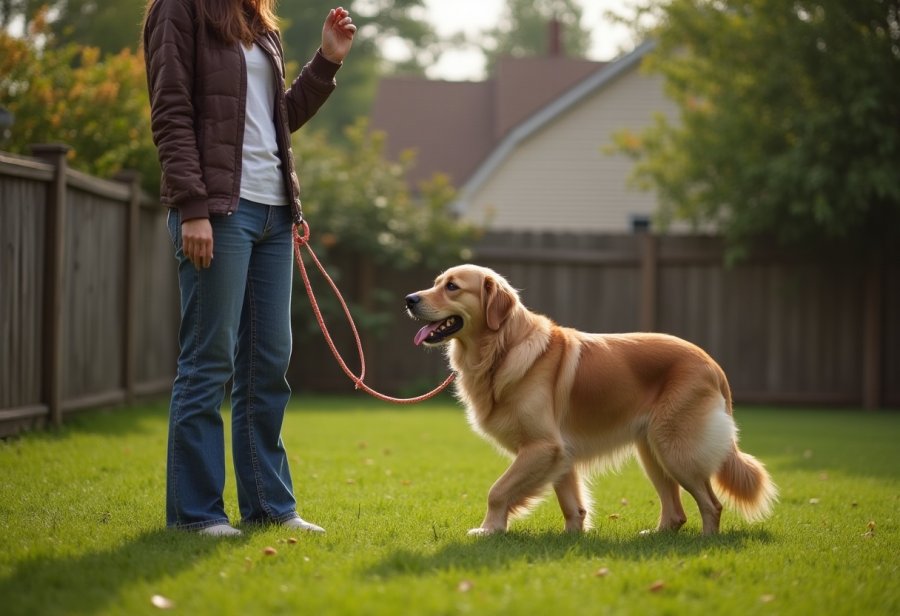
Real-World Applications: Turning Calm Walks into Success
Practicing calm walking techniques in real-world situations calls for adaptability and steady consistency. When you encounter other dogs during your walk, gently redirect your dog’s attention with cues like “look at me” or “focus,” rewarding their calm response immediately. This teaches your dog that staying attentive to you in the presence of distractions leads to positive outcomes, helping them remain relaxed even amidst other animals or busy environments.
In urban settings, maintaining a steady pace and keeping the leash loose is crucial. If your dog begins to pull or gets distracted by sights and sounds, pause briefly until they settle or respond to your cues. Then, resume walking calmly. Repeating this process reinforces that calmness and focus are what earn your attention and freedom to explore, making daily walks smoother and more enjoyable for both of you.
When your dog shows signs of anxiety—such as jitteriness or sniffing excessively—slow things down. Find quieter spots or shorter routes to rebuild their confidence gradually. Reward calm behavior often and avoid forcing your dog into overwhelming situations. Over time, these positive associations help your dog relax even in more stimulating environments, turning stressful moments into opportunities for trust-building.
Incorporating regular pauses during walks further reinforces calmness. When pulling or distracted, stop and wait patiently until your dog returns to your side and focuses on you. These small breaks teach that staying centered and attentive earns them the privilege to continue exploring. Consistently applying this technique across different settings helps your dog understand that peaceful walking is the norm, not the exception.
Vary your training environments—from quiet parks to busy streets—to build your dog’s confidence and focus. Use the same cues and rewards across all settings to create clarity and consistency. With patience and persistence, peaceful, focused walks become second nature, strengthening your bond and making every outing a shared success rooted in trust and mutual respect.
Smart Budgeting for Your Calm Dog Walking Journey
Training a dog to walk calmly alongside you involves not just patience and consistency but also thoughtful financial planning. The upfront costs can include professional training classes, which typically range from $100 to $200 for group sessions or $50 to $150 per private session. These investments provide expert guidance and socialization opportunities that set a solid foundation for your training journey.
Beyond classes, you’ll want to budget for essential tools like harnesses, treat dispensers, and clickers. These items, usually costing between $20 and $50 each, can make training more effective and comfortable for your dog. High-quality treats are another ongoing expense, but they’re crucial for reinforcing calm behavior and focus during walks. Investing in good gear and rewards pays off by speeding up progress and making sessions more enjoyable.
There’s also the possibility of replacing worn-out equipment or seeking occasional professional advice if challenges arise. While these expenses can add up, they’re investments in building a trusting, well-behaved companion. Planning your budget helps prevent surprises and keeps your training on track, making consistent progress more achievable.
A practical approach is to prioritize essentials first—like a reliable harness and initial classes—and expand your toolkit gradually. Many communities offer low-cost or even free training resources through shelters or rescue groups, which can be valuable supplements. Online tutorials and instructional videos provide additional support without breaking the bank.
Tracking your expenses and setting realistic goals keep you motivated. Remember, steady, incremental spending on your dog’s training yields long-term benefits: calmer walks, better behavior, and a stronger bond. With thoughtful financial planning, you can enjoy peaceful outings without financial stress, turning every step into a rewarding experience for both of you.
Putting Your Plan into Practice: Step-by-Step Implementation
Turning your training plan into real-world success hinges on consistency and adaptability. Start by establishing a daily routine that fits your schedule, focusing on short, frequent sessions rather than lengthy, infrequent ones. Repetition in different environments—parks, sidewalks, or busy streets—helps your dog understand that calm, focused behavior is always rewarded, regardless of surroundings. Use familiar cues and rewards consistently to build clarity and trust, making peaceful walks feel natural.
When your dog pulls or becomes distracted, pause calmly until they settle or refocus on you. This small act reinforces that staying attentive earns their freedom to explore. Incorporate regular pauses during walks—stopping when needed and waiting patiently—so your dog learns that attentiveness and calmness are what unlock continued freedom and enjoyment. These pauses serve as moments to reinforce your leadership and reset focus.
Vary your routes and settings gradually, exposing your dog to increasingly stimulating environments. This gradual exposure builds confidence and helps them generalize calm behavior across different situations. Use high-value treats and immediate praise to reward proper responses, creating strong associations between calmness and positive reinforcement. Consistency in cues and expectations across environments prevents confusion and encourages your dog to relax regardless of distractions.
Stay patient and flexible; setbacks are part of the learning process. If your dog struggles, reduce stimuli, revisit foundational exercises, and celebrate small victories. Maintaining a relaxed, confident demeanor yourself is crucial—dogs pick up on your energy, and your calmness will influence theirs. Remember, progress often comes in small steps, so focus on steady improvement rather than perfection.
Track your progress to identify what works best and where adjustments are needed. Keep training sessions brief but frequent, integrating them into your daily routine seamlessly. Over time, these consistent efforts will embed calm, focused walking as a natural part of your shared life. With patience and dedication, peaceful outings become a reliable, bonding experience that deepens trust and mutual respect.
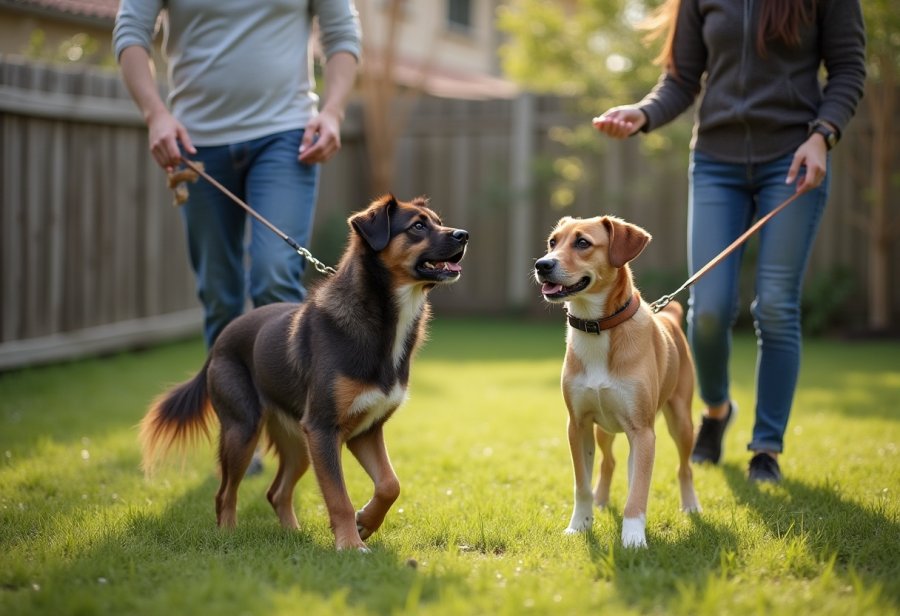
Overcoming Challenges: Navigating Setbacks and Unexpected Hurdles in Dog Training
Training a dog to walk calmly doesn’t mean the journey is free of setbacks. Dogs can become overwhelmed by new environments, distractions, or sudden routine changes, which might cause them to pull, bark, or become anxious. Recognizing these signs early allows you to adjust your approach before frustration takes hold. If your dog starts pulling more in busy areas, stepping back to a quieter spot and gradually rebuilding their confidence can make a big difference.
Even with steady progress, unexpected spikes in distraction or stress can lead to regression. When this happens, it’s best to pause, revisit foundational exercises, and reinforce cues like “focus” or “heel” with treats and praise. Short, positive sessions prevent overwhelm and keep your dog eager to learn. Patience during these moments helps your dog feel secure and more willing to try again.
External factors such as unfamiliar surroundings or loud noises can also disrupt calmness. When faced with these triggers, reducing stimuli temporarily and reintroducing them gradually helps your dog adjust. Calm signals like soothing voice tones or gentle petting reinforce a sense of safety and trust, encouraging relaxation even in challenging situations.
Sometimes, persistent issues require outside help. If your dog continues to pull, bark excessively, or shows severe anxiety despite your efforts, consulting a professional trainer or behaviorist can provide tailored strategies. They can identify underlying causes and help transform setbacks into stepping stones for progress.
Flexibility and problem-solving are key. Every dog learns at their own pace, and setbacks aren’t failures—they’re opportunities to refine your approach. Maintaining a calm, confident attitude helps your dog feel safe and supported, making setbacks temporary. With patience and consistency, these hurdles become part of a stronger, more trusting relationship.
Remember, setbacks are natural in any training process. They serve as reminders to stay adaptable and attentive. By adjusting your methods, reinforcing positive behavior, and remaining patient, you create a resilient foundation for your dog’s calmness. Over time, the challenges diminish, replaced by smoother, more peaceful walks rooted in trust and understanding.