




Nylon is a staple of modern life, found in everything from clothing to industrial materials, prized for its strength, flexibility, and affordability. Yet behind this convenience lies a sobering environmental story: its production—rooted in fossil fuel extraction—demands immense energy and releases harmful greenhouse gases, pollution, and toxic waste into ecosystems. Once in use, nylon’s durability persists for centuries, shedding microfibers that infiltrate oceans, threaten marine life, and enter the food chain, raising concerns over human health. As awareness grows, the push for sustainable alternatives intensifies, with natural fibers and recycled materials gaining prominence. Can industry innovation and conscious consumer choices truly reduce nylon’s ecological footprint? Balancing practicality with planetary health remains a pressing challenge, urging us to rethink how we produce, use, and dispose of synthetic fibers in our quest for a more sustainable future.
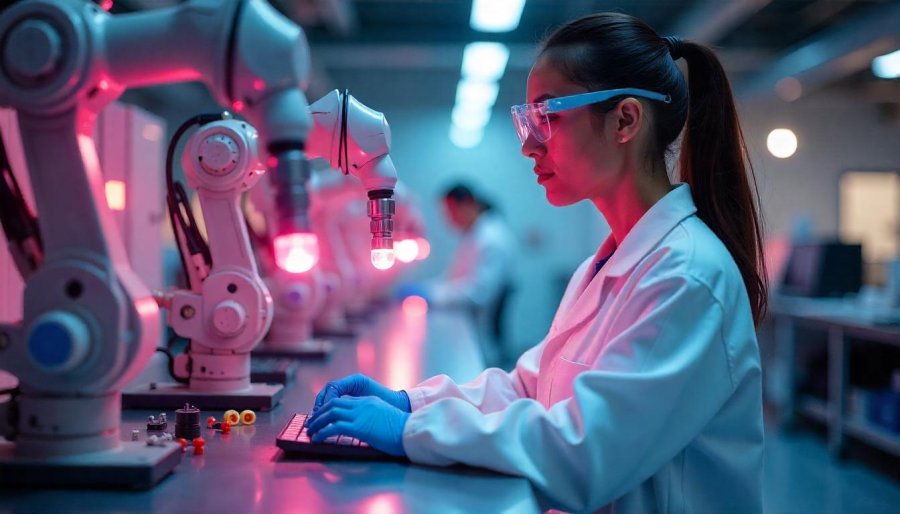
The Hidden Cost of Convenience: Nylon’s Environmental Impact
Nylon is everywhere in our daily lives, from the clothes we wear and the carpets under our feet to the sports gear we rely on and the industrial materials that keep our world running smoothly. Its popularity comes from its strength, flexibility, and affordability, making it a go-to material across countless industries. But behind this convenience lies a story that’s often overlooked—one that involves serious environmental costs.
Developed in the 1930s, nylon quickly became a symbol of modern manufacturing. Its durability and elasticity made it a superior alternative to natural fibers like silk and wool, especially during wartime and the post-war economic boom. Today, nylon’s presence is undeniable, woven into our fabrics, ropes, and many other products. While its toughness means our items last longer, it also means nylon doesn’t break down easily once discarded, leading to persistent waste and pollution.
Understanding nylon’s environmental impact requires looking beyond its immediate benefits. Since it’s made from petrochemicals, its entire lifecycle—from production to disposal—poses challenges. The process starts with extracting fossil fuels like oil and natural gas, which are finite resources. These raw materials are refined into chemicals such as benzene, hexamethylenediamine, and adipic acid. Through complex chemical reactions, these chemicals are linked into long nylon chains in a process called polymerization, releasing byproducts like water and hydrogen chloride.
This manufacturing process demands a significant amount of energy, primarily from burning more fossil fuels. This reliance not only depletes natural resources but also contributes heavily to greenhouse gas emissions. The production of nylon releases pollutants such as carbon dioxide and nitrous oxide—an especially potent climate forcer. Many factories lack advanced systems to control these emissions, allowing these gases to escape into the atmosphere and accelerate global warming.
The environmental toll extends further when considering waste generated during production. Factories often discharge wastewater containing residual chemicals, solvents, and unreacted monomers into nearby water sources. Without proper treatment, these toxic substances can harm aquatic ecosystems and contaminate drinking water. The release of nitrous oxide during manufacturing adds to the climate impact, given its high global warming potential compared to carbon dioxide.
As nylon moves from factories to consumers, its environmental footprint continues to grow. Washing nylon textiles sheds microfibers—tiny plastics that often pass through water treatment plants and end up in oceans and rivers. Marine life ingests these microplastics, mistaking them for food, which can cause injury or death. Discarded nylon products in landfills can persist for centuries, slowly fragmenting into microfibers and leaching chemicals into the environment, contributing to the global plastic pollution crisis.
The story of nylon highlights a broader challenge: balancing our need for durable products with protecting the planet. Its production and use reinforce the importance of exploring more sustainable options and rethinking how we design, manufacture, and dispose of synthetic fibers. Recognizing nylon’s environmental footprint prompts the search for innovative, eco-friendly alternatives that reduce reliance on fossil fuels and minimize ecological harm.
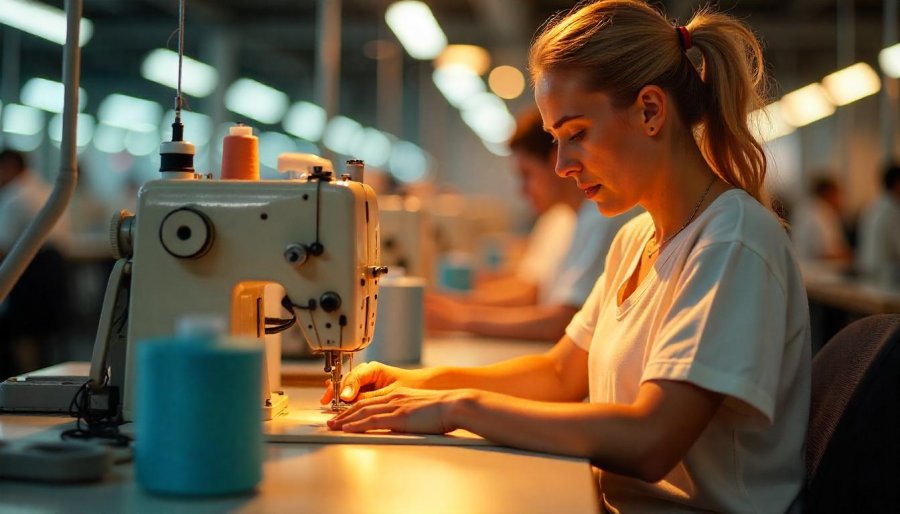
From Petrochemicals to Pollution: The Environmental Toll of Nylon Manufacturing
Nylon’s production begins with the extraction of fossil fuels like oil and natural gas, which serve as the raw materials for its chemical synthesis. These resources are refined into essential chemicals such as benzene, hexamethylenediamine, and adipic acid. In chemical plants, these ingredients undergo polymerization—a process where small molecules link together into long chains—releasing byproducts like water and hydrogen chloride. This transformation is complex and energy-intensive, requiring high heat and pressure to produce the nylon polymer, which is then melted and spun into fibers for textiles or industrial applications.
The heavy reliance on fossil fuels makes nylon manufacturing inherently resource-depleting. Extracting and refining these non-renewable resources consumes vast amounts of energy, much of which comes from burning more fossil fuels, thereby increasing carbon emissions. The chemical reactions involved in polymerization demand significant energy input, further amplifying the carbon footprint of each batch produced. This dependence on finite resources not only accelerates depletion but also ties nylon’s environmental impact directly to climate change.
Beyond energy consumption, nylon production releases a range of pollutants. Factory emissions include greenhouse gases like carbon dioxide and nitrous oxide—an especially potent climate forcer with a global warming potential hundreds of times that of CO₂ over a century. Many manufacturing facilities lack advanced emission control systems, allowing these gases to escape into the atmosphere, where they contribute to global warming. Additionally, the process generates hazardous waste, including toxic chemicals and solvents, which, if not managed properly, can contaminate air, water, and soil around factories, harming ecosystems and communities.
Water pollution presents another significant challenge. Factories discharge wastewater containing residual monomers, solvents, and other chemicals used during synthesis. When untreated or inadequately treated, this contaminated water flows into nearby rivers and lakes, threatening aquatic ecosystems and public health. The toxic chemicals can harm marine life and pose risks to humans, especially in regions with lax environmental regulations. This pollution underscores the environmental costs embedded in the manufacturing stage of nylon.
The release of nitrous oxide during production is particularly concerning due to its high global warming potential—approximately 300 times that of carbon dioxide over a century. Many factories emit this greenhouse gas directly into the atmosphere, often due to outdated or absent emission control technologies. As a result, nylon’s manufacturing process significantly amplifies industry-wide greenhouse gas emissions, making it a notable contributor to climate change. This reliance on fossil-fuel-based chemical reactions and emissions highlights the urgent need for cleaner, more sustainable production methods.
In summary, nylon’s manufacturing process is fraught with environmental challenges—resource depletion, significant greenhouse gas emissions, and water and air pollution. Its dependence on finite fossil fuels and the release of harmful pollutants underscore the pressing need to develop alternative materials and improve industrial practices. Addressing these issues is crucial to reducing nylon’s environmental footprint and moving toward a more sustainable future in fiber production.
Beyond the Factory: How Nylon Use Continues to Harm Our Ecosystems
Nylon’s widespread use means its environmental footprint extends far beyond the factory floor. Every wash cycle releases tiny fibers—microplastics—that escape water treatment systems and flow into oceans and rivers. Marine life often ingests these microfibers, mistaking them for food, which can cause injury, disrupt digestion, or lead to death. Over time, these tiny particles accumulate in ecosystems, threatening biodiversity and the health of entire aquatic communities.
While nylon’s durability makes it a popular choice for consumers, it also means that discarded nylon items don’t easily break down in landfills. Instead, they can persist for decades or even centuries, gradually fragmenting into microfibers that leach chemicals into surrounding soil and water. This persistent pollution contributes significantly to the global plastic crisis, polluting environments and posing ongoing risks to wildlife and humans alike.
The environmental impact of nylon continues long after disposal. Because it resists natural degradation, nylon waste tends to accumulate in ecosystems, where it gradually breaks into smaller pieces over time. These microfibers contaminate soil and water sources, affecting plants, animals, and local communities. Chemicals embedded in nylon—residuals from manufacturing—can leach into the environment, disrupting ecosystems and potentially causing health issues for those living nearby. This cycle of pollution underscores the importance of rethinking how we use and manage synthetic fibers.
Nylon’s lifecycle also plays a role in resource depletion and climate change. Its production relies heavily on fossil fuels—finite resources that are becoming increasingly difficult to extract. Discarded nylon products, whether in landfills or the environment, continue to emit greenhouse gases, especially when incinerated or broken down into microfibers. Because nylon is so durable, each product acts as a long-term source of environmental harm, emphasizing the need for sustainable alternatives and better waste management practices.
Microfiber pollution during washing is a particularly pervasive issue. These tiny fibers often bypass filtration systems, ending up in waterways and oceans. Marine animals ingest these particles, which can cause internal injuries, blockages, or even death. As microplastics accumulate in the food chain, concerns grow about their potential impact on human health—especially since seafood becomes a direct link to these pollutants. This ongoing release of microfibers from everyday clothing highlights the urgent need to reduce nylon’s environmental footprint.
Disposal practices further compound the problem. Nylon items, from clothing to industrial products, are often discarded in landfills where they persist for centuries. As they slowly break down, microfibers are released into the environment, contaminating soil and water. These fibers can carry residual chemicals from manufacturing, which may leach into the surrounding ecosystem, affecting both wildlife and human populations. The accumulation of nylon waste—along with its chemical leachates—poses a long-term threat to environmental and public health.
Addressing nylon’s environmental impact requires a shift in both consumer behavior and industry practices. Developing biodegradable alternatives, improving recycling techniques, and supporting sustainable fibers can help reduce pollution. Consumers can choose products made from natural or recycled materials and adopt habits like washing nylon items less frequently or using microfiber filters. Together, these actions can mitigate the ongoing damage caused by nylon’s widespread use, paving the way for a more sustainable future where convenience no longer comes at the planet’s expense.

A Sustainable Future: Exploring Alternatives and Innovations to Reduce Nylon’s Footprint
As awareness of nylon’s environmental toll grows, the fashion industry and consumers are increasingly exploring sustainable alternatives. Natural fibers like organic cotton, hemp, linen, and wool offer biodegradable options that typically require fewer chemicals and less water during cultivation. These materials break down more readily in the environment, helping to reduce microplastic pollution and lessen the long-term waste burden. Recycled fabrics, especially those made from plastic waste such as recycled polyester, are also gaining traction as a way to close the loop—transforming discarded plastics into new textiles and decreasing reliance on virgin synthetic fibers.
Many brands are adopting circular fashion principles to combat nylon’s ecological impact. Designing garments for recyclability, encouraging repair and reuse, and establishing take-back programs can significantly extend product life and cut down on waste. Some companies are experimenting with bio-based fibers derived from algae, mushrooms, or other renewable sources. These innovative materials aim to match nylon’s performance while being biodegradable or produced from sustainable resources, opening promising pathways for a future where fashion doesn’t come at the planet’s expense.
Policy and consumer choices play crucial roles in accelerating this shift. Governments can implement stricter regulations on chemical disclosures, emissions, and waste management, incentivizing industries to adopt cleaner practices. Supporting the development and adoption of recycled, biodegradable, or bio-based fibers can reduce dependence on fossil fuels and mitigate environmental harm. Consumers, meanwhile, hold considerable influence through their purchasing decisions—favoring products made from sustainable materials, supporting transparent brands, and embracing slower, more thoughtful consumption habits.
Supporting local and small-scale producers further enhances sustainability efforts. These businesses often prioritize eco-friendly practices, use less energy, and focus on creating durable, long-lasting products. Opting for quality over quantity—choosing well-made, timeless pieces—reduces overall waste and diminishes the demand for resource-intensive synthetic fibers. Participating in community initiatives like clothing swaps or repair workshops promotes reuse and extends the life cycle of garments, turning consumption into a more responsible act.
Research into alternative materials continues to unlock exciting possibilities. Scientists and designers are developing bio-based fibers that mimic nylon’s strength and elasticity but are fully biodegradable. Algae, mushroom mycelium, and other renewable sources are being explored as sustainable raw materials that perform well and naturally degrade after disposal. Scaling up these innovations and supporting their integration into mainstream manufacturing are vital steps toward creating a resilient, eco-friendly textile industry that meets modern needs without compromising the environment.
Transitioning to sustainable fashion is a collective effort that demands innovation, consumer awareness, and policy support. By embracing eco-friendly fibers, supporting responsible brands, and advocating for smarter waste management, we can reduce nylon’s environmental footprint. This shift not only preserves natural resources but also helps build a future where fashion aligns with ecological health, making sustainability a standard, not an exception.