




Underground street racing transcends mere speed; it’s a powerful culture rooted in rebellion, identity, and unbreakable brotherhood. From clandestine late-night races to personalized cars that symbolize loyalty, this scene fosters deep human connections amid danger and law enforcement crackdowns. But what truly sustains this high-octane community? Is it the adrenaline or the bonds forged in moments of chaos and trust? As crews navigate rivalries, internal conflicts, and external threats, their resilience reveals a culture built on loyalty, rituals, and shared purpose. These relationships—more enduring than the engines they race—drive a collective spirit that withstands societal pressures and legal risks. The scene’s influence extends beyond illicit streets, shaping urban identity, fashion, and automotive innovation. Ultimately, underground racing’s enduring power lies in its ability to forge human connections that run deeper than asphalt, proving loyalty and brotherhood are the true engines fueling this relentless culture.
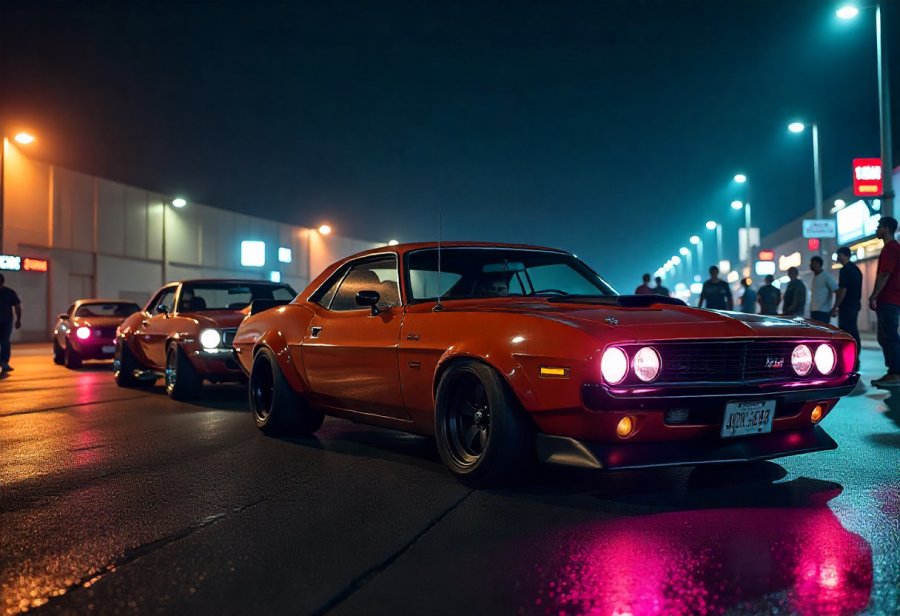
Underground Street Racing: A Thrilling Urban Subculture
Underground street racing has become a defining aspect of urban youth culture, blending adrenaline, rebellion, and community into a high-octane scene. It all began as informal gatherings where car enthusiasts met late at night, eager to challenge themselves and each other in secret races that kept law enforcement at bay. Over time, these spontaneous events grew into a widespread phenomenon, especially in cities where young people sought to carve out their identity outside traditional channels.
This culture isn’t just about speed; it’s a form of self-expression. Participants modify their cars extensively, transforming everyday vehicles into personalized machines that showcase their style, skills, and attitude. Races often take place on deserted streets, industrial zones, or quiet neighborhoods—places chosen for their seclusion and the element of secrecy. The nighttime setting amplifies the clandestine vibe, creating a shared secret among friends who value loyalty and trust above all.
The roots of street racing go back decades, starting as casual meet-ups among friends eager to see who’s fastest. With advances in technology, modifications became more sophisticated, turning simple competitions into organized underground events with rituals, codes, and social networks that foster a deep sense of belonging. For many, it’s more than just a hobby—it’s a way to challenge societal norms and find purpose in environments where opportunities are limited.
At its core, underground racing acts as a microcosm of urban resistance. It offers young people a space to express their individuality, challenge authority, and forge bonds that often last a lifetime. The camaraderie is reinforced through shared secrets, pre-race rituals, and mutual support, creating a community built on trust and loyalty. Despite external threats like police crackdowns and community pushback, the scene persists, driven by a collective desire to keep this high-octane world alive.
Understanding this scene reveals how deeply rooted and influential underground street racing has become in shaping urban identity. It’s more than just illegal activity; it’s a complex social fabric that fosters human connection, celebrates personal expression, and sustains a resilient community. As the scene continues to evolve, its core values—brotherhood, loyalty, and the pursuit of speed—remain as strong as ever, proving that even in the shadows, this culture thrives on human bonds that run deeper than engines revving in the night.
The Brotherhood of Speed: Loyalty in High-Octane Culture
Underground street racing is more than just a test of speed; it’s a foundation for deep, unbreakable bonds among those who participate. These racers don’t just see each other as competitors—they form tight-knit crews where loyalty and trust are the currency that keeps everything moving. Every shared experience, from late-night races to fixing broken engines, reinforces a sense of brotherhood rooted in mutual support and respect.
Cars become symbols of identity and allegiance. Many racers personalize their rides with unique decals, paint jobs, and modifications that reflect their personality and crew’s culture. These visual markers act as badges of belonging, making it clear who’s part of the family. Over time, these cars and their styles serve as powerful symbols of loyalty, helping to forge connections that go beyond the street race itself.
Nighttime racing transforms this camaraderie into something even more intense. When darkness falls and risks escalate, racers rely heavily on each other’s signals, instincts, and support. Trust becomes crucial—each member depends on the others’ judgment and support in moments of chaos, knowing that their safety and reputation are intertwined. These shared moments of danger and adrenaline strengthen their bonds, making the crew feel like a true family.
Loyalty in this culture runs deep. Racers depend on each other for advice, spare parts, and protection from law enforcement or rival crews. This unwavering commitment turns a group of individuals into a resilient family that stands together amid external threats and internal disputes alike. Even when conflicts arise, rituals, shared secrets, and a collective history help maintain cohesion, ensuring that the bonds remain strong.
The rituals and unspoken understandings that develop within these crews create a culture rooted in human connection. Shared traditions, secret hand signals, and mutual support weave an invisible fabric of trust that sustains their community. It’s this sense of belonging—more than the thrill of racing—that keeps the brotherhood alive, thriving even under pressure.
In the end, underground street racing’s true power lies in its ability to forge relationships built on loyalty, trust, and shared purpose. These bonds withstand external threats, internal conflicts, and the relentless pursuit of speed. What emerges is a resilient family—united not just by engines and asphalt, but by human connection that runs far deeper than any race.
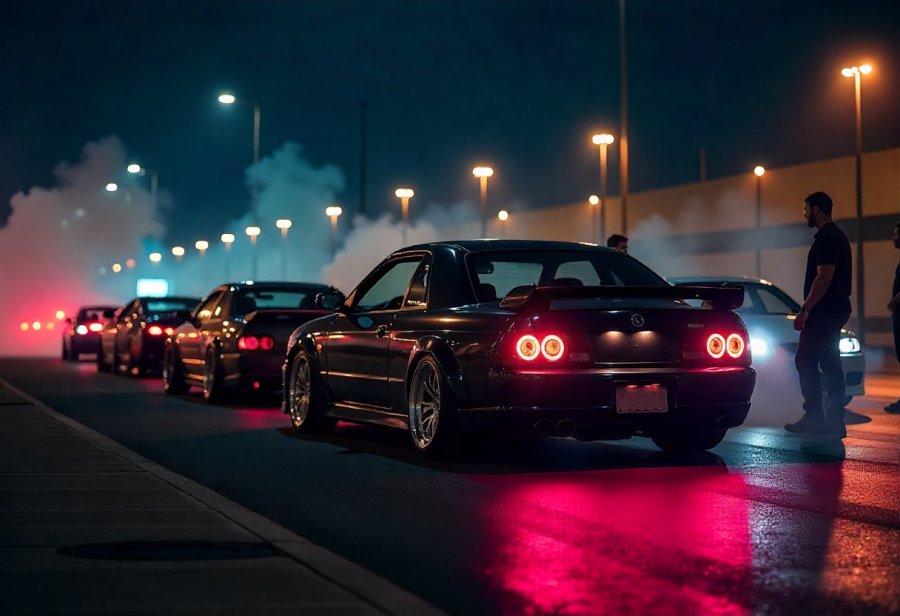
Navigating Threats and Tensions in Street Racing’s Inner Circle
Underground street racing groups constantly face external threats that test their unity and resilience. Law enforcement agencies use surveillance, undercover operations, and stiff penalties to crack down on illegal races. This ongoing pressure creates a tense environment, forcing crews to develop secret signals, quick escape routes, and discreet meeting spots to stay one step ahead. Despite their efforts, the risk of arrest or vehicle confiscation remains a constant shadow, adding danger to every race and heightening the stakes of their clandestine world.
Inside these groups, conflicts often emerge over leadership, resources, or race priorities. Disagreements about who gets to race, how winnings are split, or which cars take precedence can quickly escalate into distrust and friction. Sometimes, newcomers or outsiders disrespect the crew’s unspoken rules, causing internal rifts that threaten the cohesion vital for survival. These disputes can simmer beneath the surface, risking the fragile trust that holds the community together.
Rivalries between different crews intensify these tensions. Disputes over respect, territorial boundaries, or perceived slights often lead to hostile encounters, sabotage, or street confrontations. Such conflicts aren’t just about pride—they pose real safety risks and threaten the reputation of the entire underground scene. When rival factions clash, the danger extends beyond the cars, risking physical harm and escalating hostility that’s hard to contain.
Despite external and internal pressures, many crews work tirelessly to preserve their bonds. They establish rituals, codes, and shared secrets that serve as safeguards against chaos. Loyalty becomes their strongest asset, helping them navigate threats and disputes with resilience. Members support each other through repairs, share intelligence on police activity, and stand together in moments of danger. These acts of mutual trust help maintain a fragile peace amid constant threats.
The tension between adrenaline-fueled racing and the risks of legal trouble or internal discord shapes the scene profoundly. Each race becomes a test of trust, quick thinking, and loyalty. When conflicts bubble up, they threaten not only individual safety but also the unity of the entire brotherhood. Yet, it’s this very resilience—facing danger and disagreement head-on—that keeps the scene alive and thriving.
These challenges forge a stronger sense of community. Facing external crackdowns and internal disputes forces crews to double down on their bonds. They learn that loyalty isn’t just about winning races; it’s about standing firm together in tough times. This shared resilience becomes the backbone of their culture, turning threats into tests of their collective strength.
In the end, the conflicts and dangers faced by underground racing crews highlight how fragile yet fiercely resilient their brotherhood truly is. Every challenge, whether from law enforcement or internal disputes, demands unwavering loyalty and quick adaptation. These hardships don’t break the community—they reinforce its core, proving that human bonds are the engine that keeps this high-octane world moving forward.
Street Racing’s Impact: Influence, Innovation, and Society
Underground street racing’s influence extends far beyond the night battles on city streets. While often linked to illegal activity, its cultural impact is deeply woven into modern urban life, shaping attitudes, style, and innovation. For many young people, racing is more than just a thrill—it’s a form of self-expression and a way to challenge societal norms that feel restrictive or limiting. This rebellious spirit has seeped into mainstream culture through music, fashion, and automotive design, creating a ripple effect that blurs the lines between underground roots and popular trends.
The sense of community built around street racing plays a significant role in shaping social dynamics among urban youth. Car clubs and crews become extended families, offering support, identity, and belonging in environments where opportunities may seem scarce. Rituals like custom decals, signature modifications, and late-night meetups serve as symbols of loyalty and pride, fostering a culture that values shared experiences over individual pursuits. These groups often act as safe havens where creativity and camaraderie thrive, even amid external pressures.
Law enforcement’s response has been increasingly aggressive, deploying surveillance, fines, and crackdowns to curb illegal races. Cities have experimented with sanctioned events and designated racing zones, trying to provide legal outlets that satisfy the community’s passion for speed without risking public safety. Despite efforts to regulate or suppress underground racing, the scene persists, driven by a deep-rooted desire to keep the adrenaline and brotherhood alive. For many, this culture is a form of resistance—a way to carve out identity against societal expectations.
Incidents related to illegal street racing sometimes lead to injuries and property damage, fueling debates about safety and legality. Communities remain divided—some advocating for stricter enforcement, others pushing for controlled, legal venues that preserve the scene’s essence. This ongoing tension highlights how ingrained and influential underground racing continues to be in urban settings, inspiring both concern and admiration.
Automotive innovation also owes much to this underground scene. Techniques and modifications born in clandestine competitions often find their way into mainstream markets, influencing aftermarket parts, tuning practices, and aesthetic trends. The culture’s emphasis on customization and performance fuels creativity, inspiring manufacturers and enthusiasts alike. In this way, the underground scene acts as a testing ground for new ideas that shape the future of automotive design and culture.
Beyond cars, street racing’s aesthetic and attitude have permeated urban fashion and music, echoing themes of rebellion, resilience, and self-identity. These influences help sustain the scene’s relevance, offering a voice to those who feel marginalized or limited by conventional pathways. Even as authorities tighten restrictions, the spirit of underground racing endures—fueled by human connection, shared dreams, and a relentless pursuit of freedom on the streets.
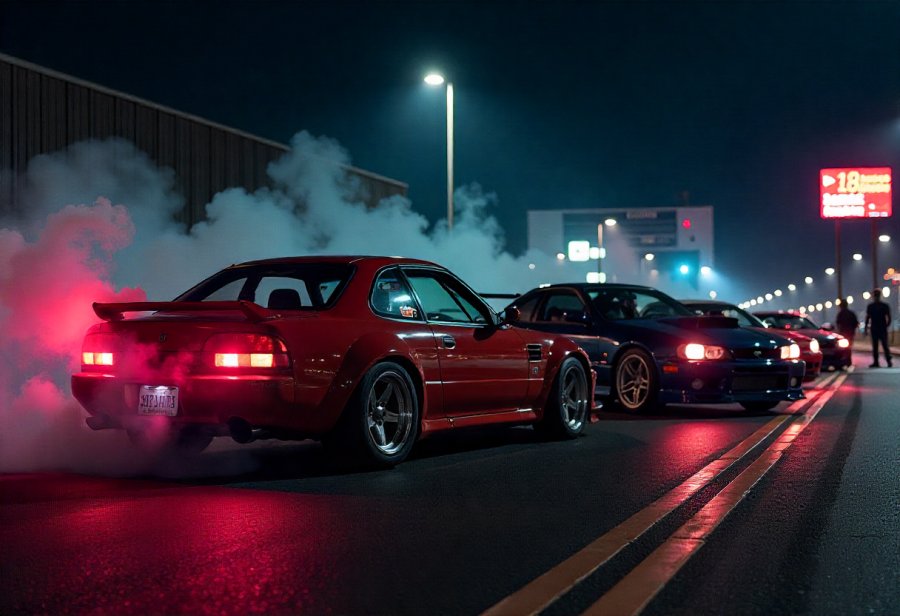
The Unbreakable Bonds: Loyalty and Spirit in Underground Racing
Underground street racing is about more than just the rush of speed; it’s about the bonds that form in the heat of the moment, bonds that go far beyond the asphalt. These crews aren’t just groups of racers—they’re a family built on trust, loyalty, and shared experiences that withstand the test of time. Every late-night race, every engine tweak, and every secret handshake deepens that connection, creating a sense of brotherhood rooted in human connection rather than machines.
The relationships forged in this high-octane world stick with racers long after the engines cool. They see each other as more than competitors—they’re partners in a shared pursuit of identity, belonging, and purpose. The cars they personalize and the rituals they uphold become symbols of loyalty and pride, reinforcing a collective identity that can’t be broken by external threats or internal disputes. These bonds are strengthened through moments of support during setbacks, quick thinking in dangerous situations, and an unspoken understanding that they’ve got each other’s backs no matter what.
Night racing amplifies this sense of unity. When darkness cloaks the city and risks are highest, reliance on each other’s signals and support becomes essential. Trust and loyalty aren’t just words—they’re the fabric that holds the entire community together. In those quiet, tense moments—revving engines, exchanged glances, quick escapes—the true spirit of brotherhood emerges, proving that the strongest ties aren’t just built on the thrill of the race but on shared reliance and mutual respect.
Even as external pressures like police crackdowns and internal conflicts threaten to fray the edges of this community, their resilience shines through. Loyalty isn’t just a concept; it’s a way of life that helps crews survive and even thrive amid chaos. Rituals, secrets, and shared stories act as anchors, maintaining cohesion when outside forces try to pull them apart. This collective strength transforms a group of individuals into a resilient family, driven by a passion that fuels their bond through every challenge.
What keeps this scene alive isn’t just the adrenaline or the cars—it’s the human connection at its core. These relationships, rooted in trust and shared dreams, are what sustain the brotherhood, making it unbreakable despite external threats. Speed may ignite the scene, but loyalty keeps it burning. It’s that unwavering commitment to each other that defines the enduring spirit of underground racing, proving that beyond the engines and asphalt, it’s the bonds between people that truly drive this culture forward.